

The environmental adventurer


Alex Bellini is an explorer and environmental advocate from Valtellina who has rowed solo across oceans and the world’s most polluted rivers, traversed glaciers, and ran across the US from Los Angeles to New York…
Some time ago, he came to visit us at the LiDuP Laboratory’s climate chamber to test the resistance to the cold of Alaska (which reaches -40°C) of his 3D-printed bicycle made of recycled polycarbonate, which he then used to travel 1,800 km over snow and sand. This is how we got to know him and today, on his return, he tells us how it went and how important it is to be fully ‘equipped’ in order to face such a challenge.
Alex, you have rowed solo across the Atlantic and the Pacific; you are an extreme explorer. What drove you in this direction?
“I am not man, I am dynamite,” said Friedrich Nietzsche, and I believe that all of us, each in our own way, are explosive. That is why the most urgent and valuable work we can do is to find out how much and what type of explosive we contain, where it is stored and how we can use it to generate something good.
It is an inner work, on irrationality, on feeling and passion: on that part of us on which happiness essentially depends. Exploration is how I get in touch with the explosive in me.
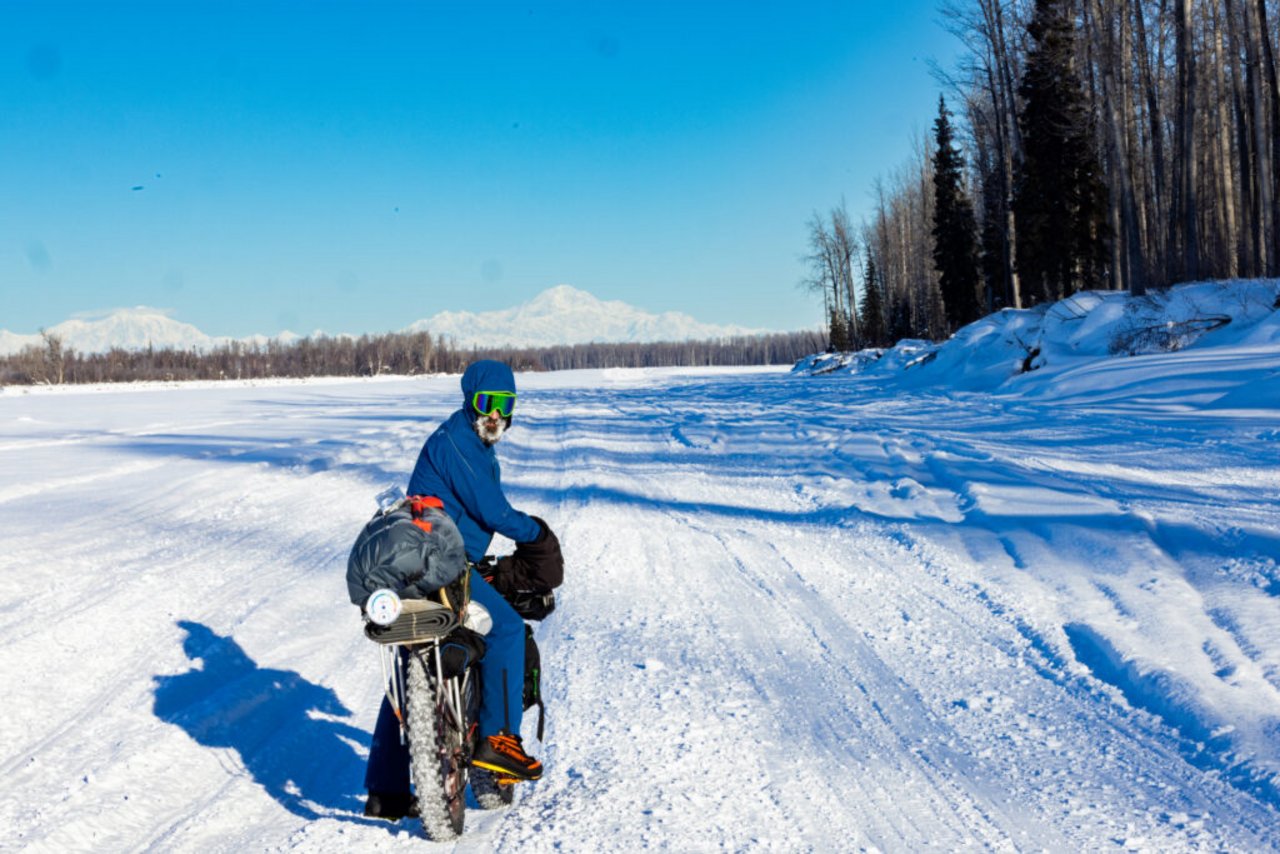
Alex Bellini rides his recycled polycarbonate fatbike in Alaska
What difficulties did you encounter on the crossings; were you ever afraid?
I encountered a great many difficulties. From the more technical to the purely existential (do I go on or do I stop?). The latter are far more demanding, because while there are plans B or C that can be devised for the former, those that concern ‘being’ can only be managed, without ever solving them completely!
I was often very afraid: in a way, this is fortunate because fear gives the measure of things and forces reflection on the sense of limit. The day I stop being afraid is the day I have to start being really afraid (if you’ll excuse the turn of phrase).
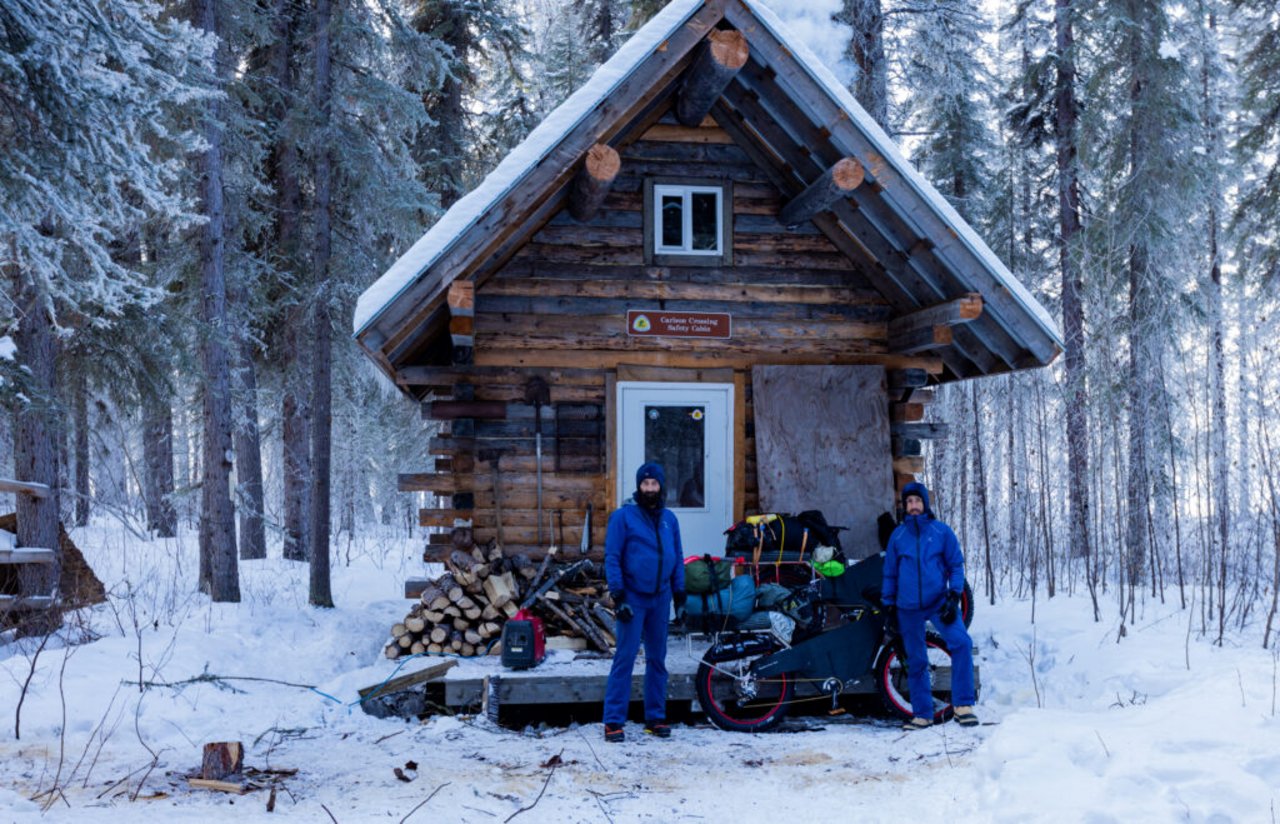
Alex Bellini and Alessandro Plona in Alaska
After water, snow and ice, he recently returned from a long fat bike adventure in Alaska, this time with a travelling companion, how did it go?
It was quite an adventure in Alaska. It was also very tough. Tough, but not impossible, so all in all enjoyable, although at times pushing the bike over walls of fresh snow forced us to call on all our energies, including those most hidden. The weather hindered us: so much snow and so cold, but it was no surprise.
I was already familiar with Alaska thanks to two expeditions I did twenty years ago. It went well with my companion: it was a kind of initiation for him and I am happy to have accompanied him on his first big adventure.
In your expeditions, technology is central. Your bike was designed specifically for the you; can you tell us about it?
That’s right. The bike is a prototype designed and built in collaboration with a collective of engineers and material scientists. The idea was to breathe new life into plastic (post-industrial polycarbonate) using 3D printing technology. We created a monocoque frame that resisted well in the cold and under stress. The only negative factor with this prototype was its weight: fully loaded, it was over 60 kg.
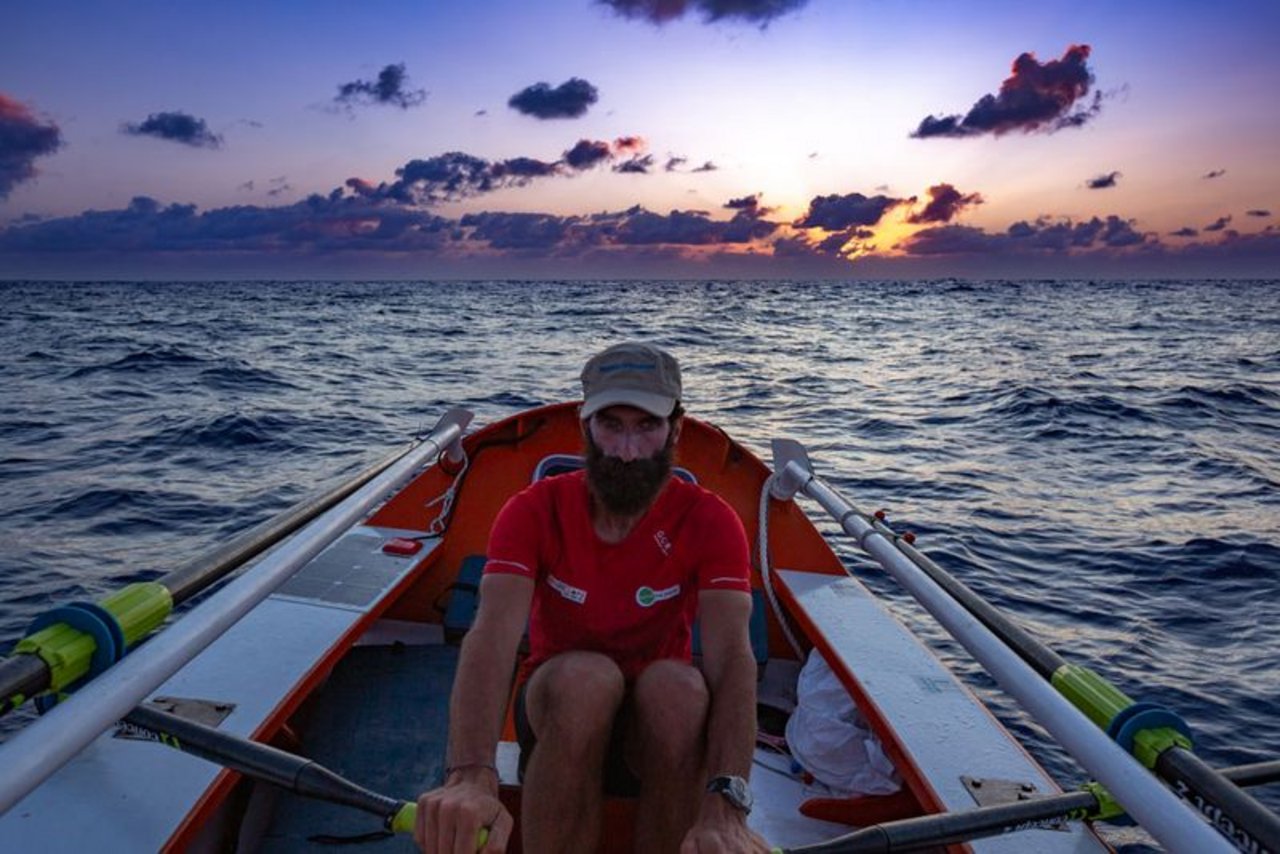
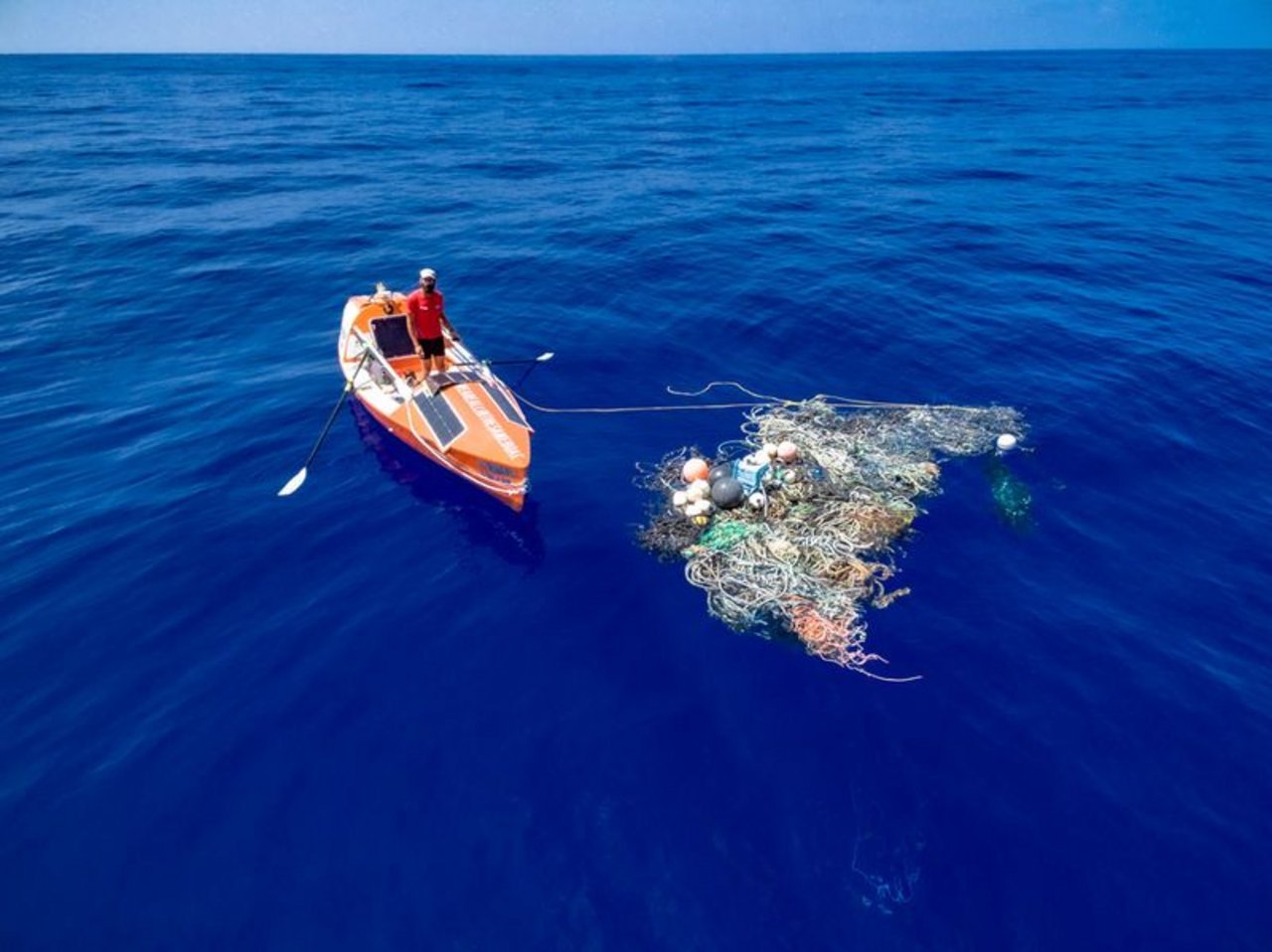
The fil rouge of your adventures is concern for the Environment…
Since 2017, when I crossed Europe’s largest glacier in Iceland, which is in danger of disappearing by the end of this century, each of my adventures has been nothing more than a pretext to inform, educate, and stimulate my audience and the general public on topics of global interest such as pollution and understanding the cultural and social impacts in relation to the changing climate.
The EyesOnIce project foresees two more major trips in 2025 and 2026; are you already working on them? In what way?
I am already at work planning the Greenland expedition for 2025. Again, I will be accompanied by one person, this time a Greenlandic explorer who will teach me about the cultural and social impacts of the changing climate.
For the Arctic Ocean expedition, everything is still to be finalised, but the feeling is that time is running out for expeditions to the North Pole. Global warming is affecting the quantity and quality of the sea ice, making it thinner and more fragile.
Related stories

Antimatter as you’ve never seen it before: AEgIS allows us to capture it with exceptional resolution
A journey into one of the most fascinating frontiers of contemporary physics, told by Giovanni Consolati — one of the lead scientists behind the experiment

Moisture: the enemy of composite materials. But now there’s a patented sensor.
Monitoring safety and durability of structures in extreme environmental conditions
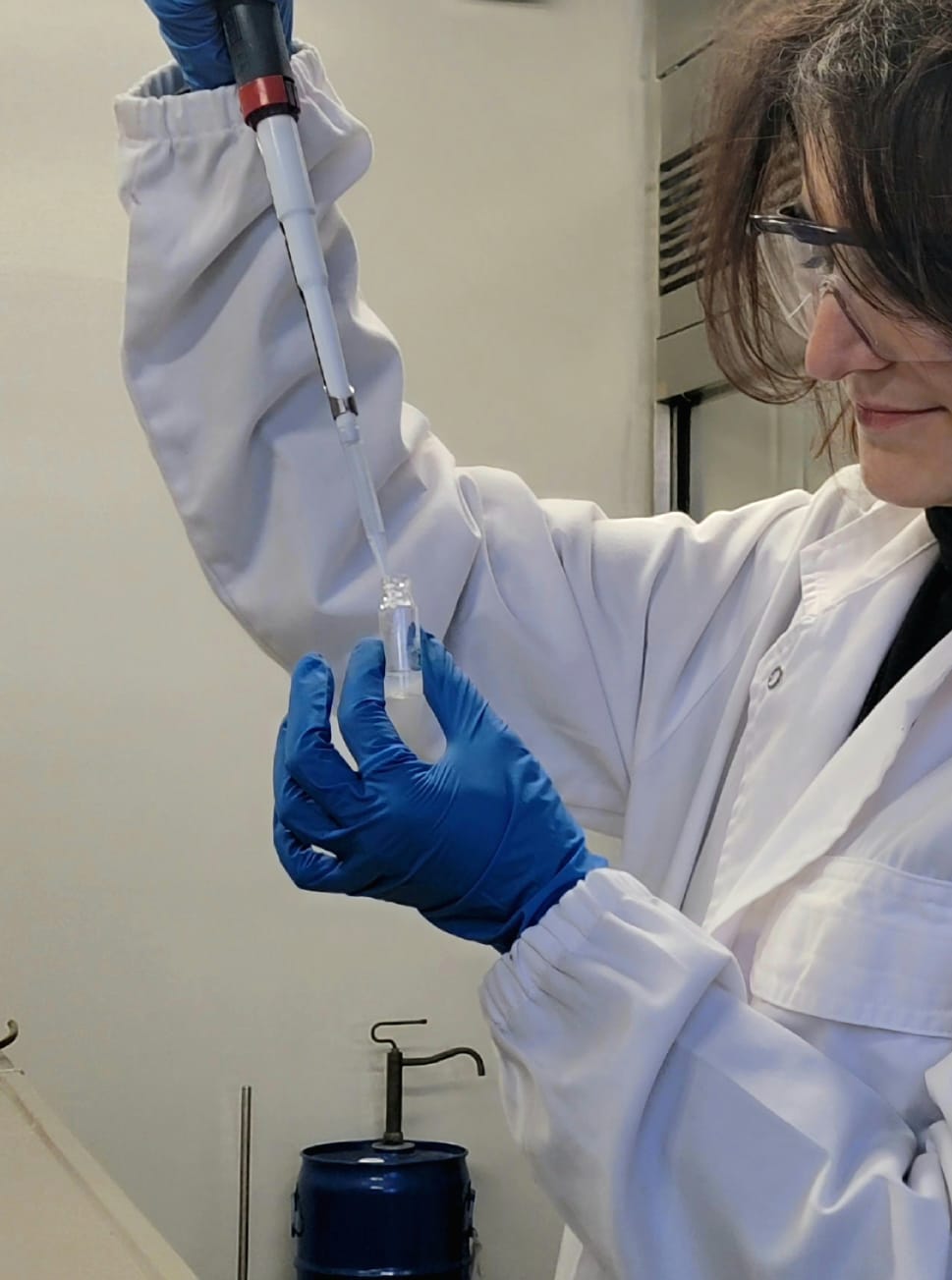
From cellulose to a tough, versatile fibre for sustainable packaging
Elisa Marelli’s sustainable research between nanotechnologies and biomaterials.

From mimosa pudica to responsive panels for architecture, the research at MaBa.SAPERLab
Fabio Bazzucchi has been studying this peculiar plant to design dynamic and responsive architectural elements.

900 tests in the wind tunnel for the cycling world champion TOP GANNA
Interview with Filippo Ganna, Olympic road and track cycling champion.
You might also like
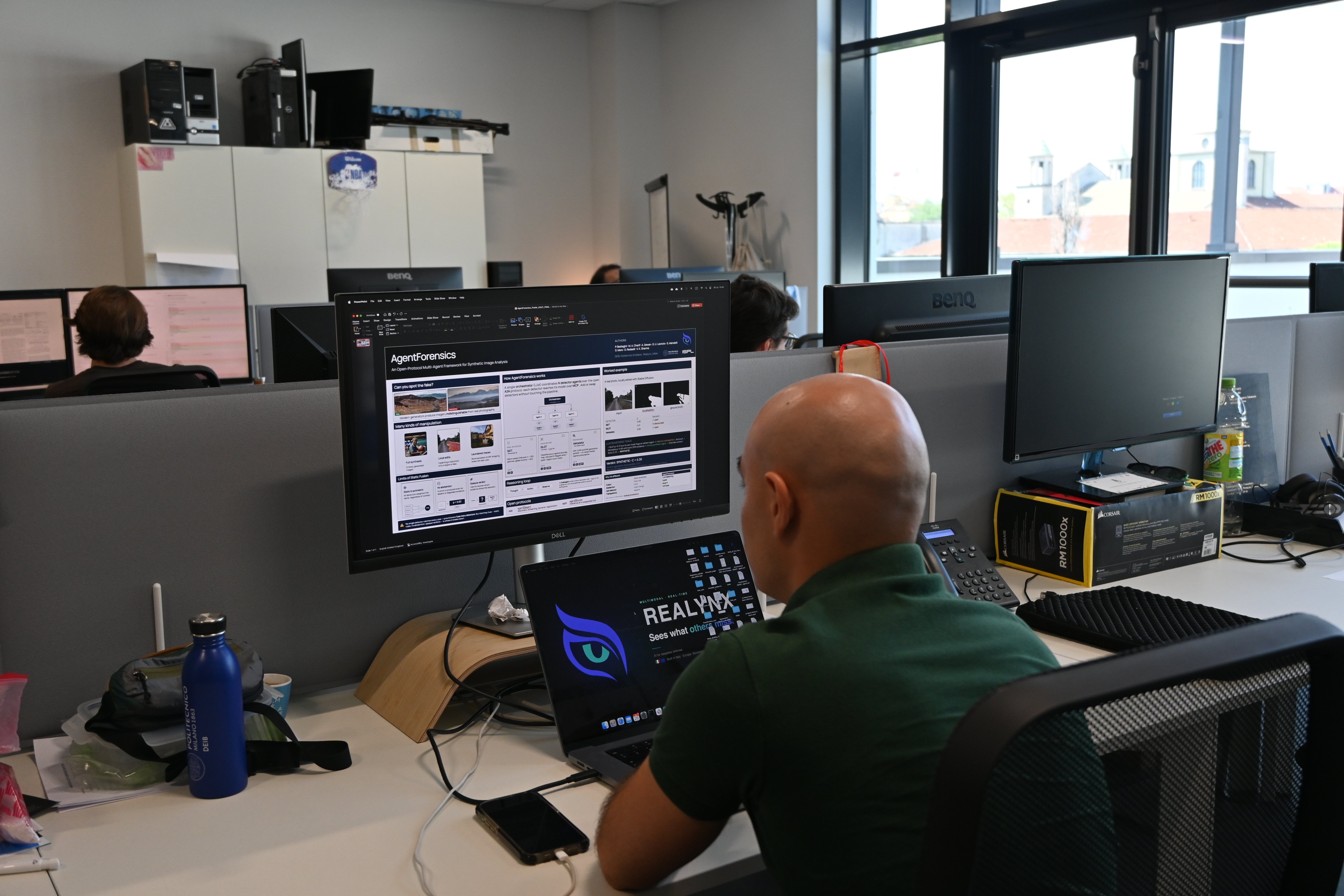
Beyond true and false: recognising synthetic content in the age of AI
From cloned voices to deepfakes, the challenge is no longer just to distinguish what is true from what is false, but to understand how content has been produced, transformed and used.

Who owns Milan? Map reveals forces reshaping the city
The financialization of the real estate market and its effects on urban development dynamics

Technology in the desert: how to map in 3D Egyptian and Roman excavations using photogrammetry
An interview with Alessandro Mandelli, a veteran for Politecnico di Milano's excavations in Egypt

Reading Maps: The Taste of Discovery
Jessica Gritti discusses the research on the Maps section of the Civica Raccolta delle Stampe “Achille Bertarelli”: from cataloguing and new international connections to the value of collaboration between universities and cultural institutions.
