

From cellulose to a tough, versatile fibre for sustainable packaging

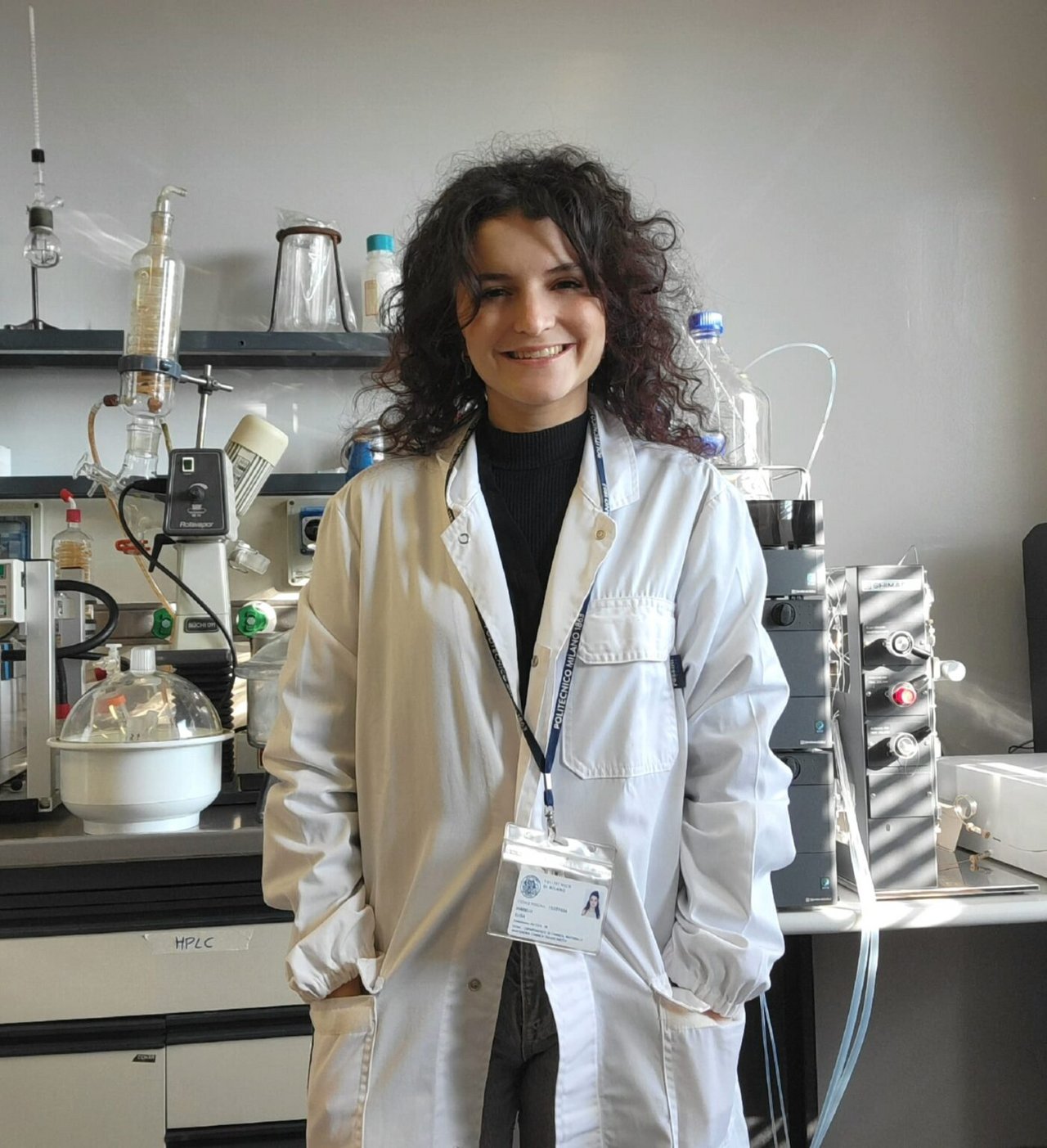
Elisa Marelli in the laboratory
At just 27, she has already appeared on the cover of an international journal of chemistry, the subject she has loved ever since she was young. In this interview, Elisa Marelli told us about her life in the laboratory, explained what peptides are and what they are used for, and described how, through working together with many Italian and foreign colleagues, they were able to create a biomaterial that offers the same efficiency and quality as petroleum-derived materials, but is also biodegradable. Europe is awaiting it now, and who knows what’s next.
Il suo sogno nel cassetto è infatti riuscire ad avere un impatto concreto, contribuendo in modo positivo all’ambiente e aiutando a rendere soluzioni sostenibili più accessibili. Ora l’aspetta l’Europa e poi chissà.
How did you come to follow your current pathway of research?
I’m true “Made in Polimi”: I did both my bachelor’s degree in Materials Engineering and Nanotechnology and my master’s degree here. During the course of my master’s thesis, I started working in the SupraBioNanoLab in the Giulio Natta Department of Chemistry, Materials and Chemical Engineering, under the supervision of Professor Pierangelo Metrangolo. That was where the cellulose project started, culminating in the publication of our study in the Journal of Materials Chemistry B.
What did you enjoy most during your studies?
What materials engineering offered me was an interdisciplinary approach and this, among other things, allowed me to get into supramolecular chemistry, a lab specialisation that steered me towards chemical engineering during my doctorate. This change of direction gave me the chance to delve deeper into molecular design.
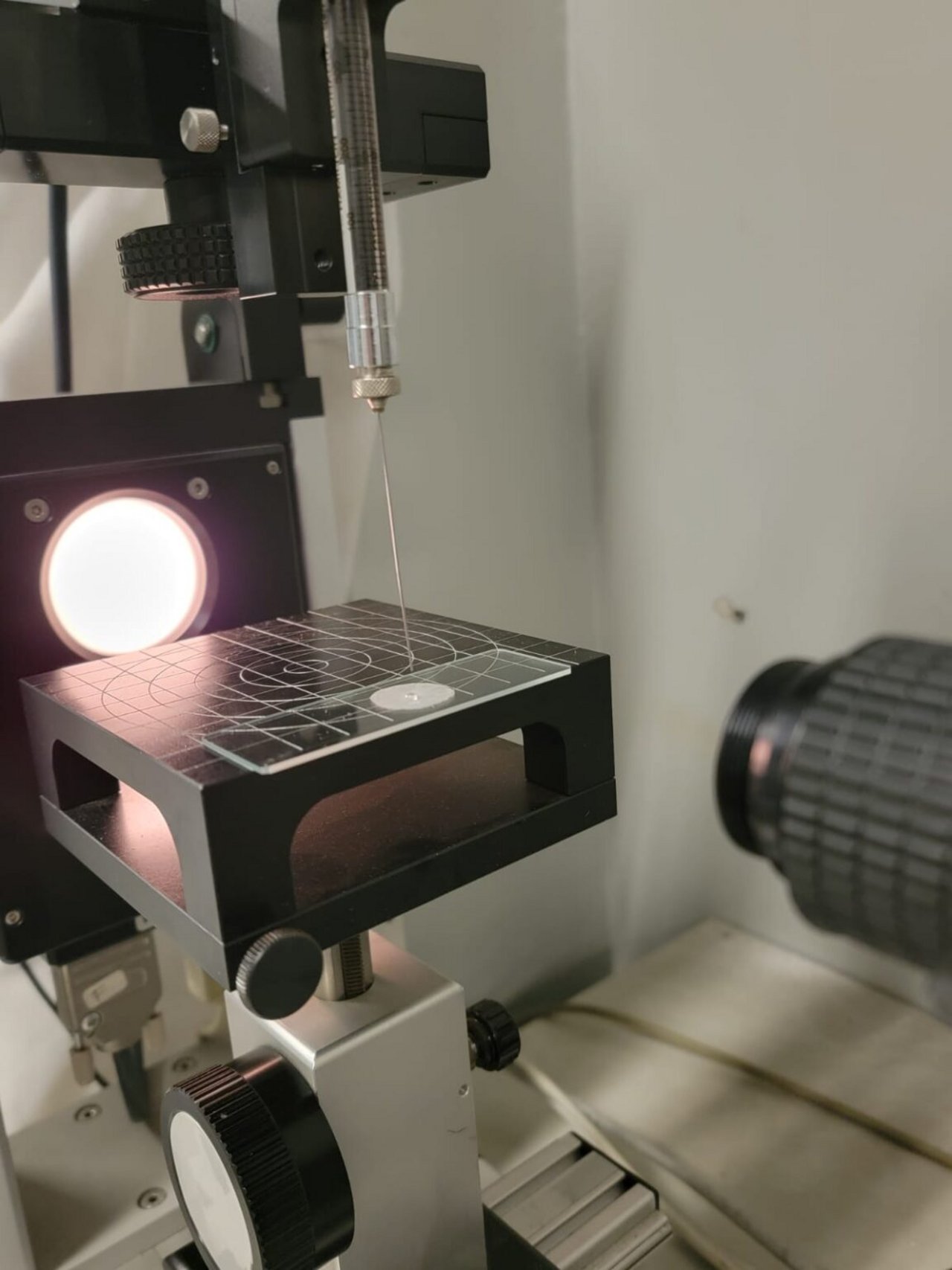
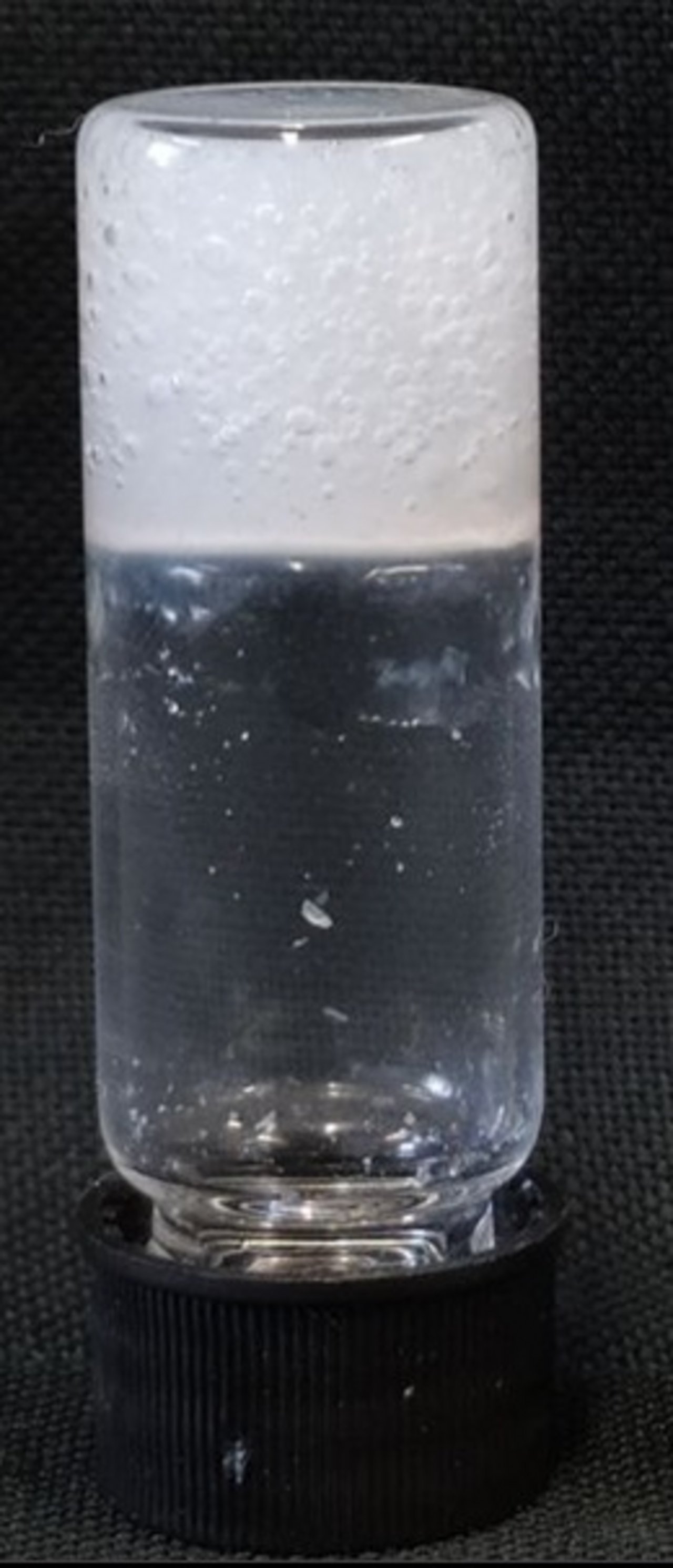
Assessment of the water contact angle on hybrid cellulose and fluorinated peptide film
What is molecular design?
It’s the process of designing a material by starting from the molecule itself. Every molecule comes with its own natural instructions, in the form of chemical and physical properties, which allow it to spontaneously self-assemble and create materials with different functional uses.
What is your research all about?
I work with biomaterials based on self-assembling peptides. These are small protein sequences that can form different nanostructures, from nanofibers to nanoparticles, and are useful for many applications. I mainly focus on combining peptides with more common biomaterials, such as cellulose or gelatin, in order to modify their properties.
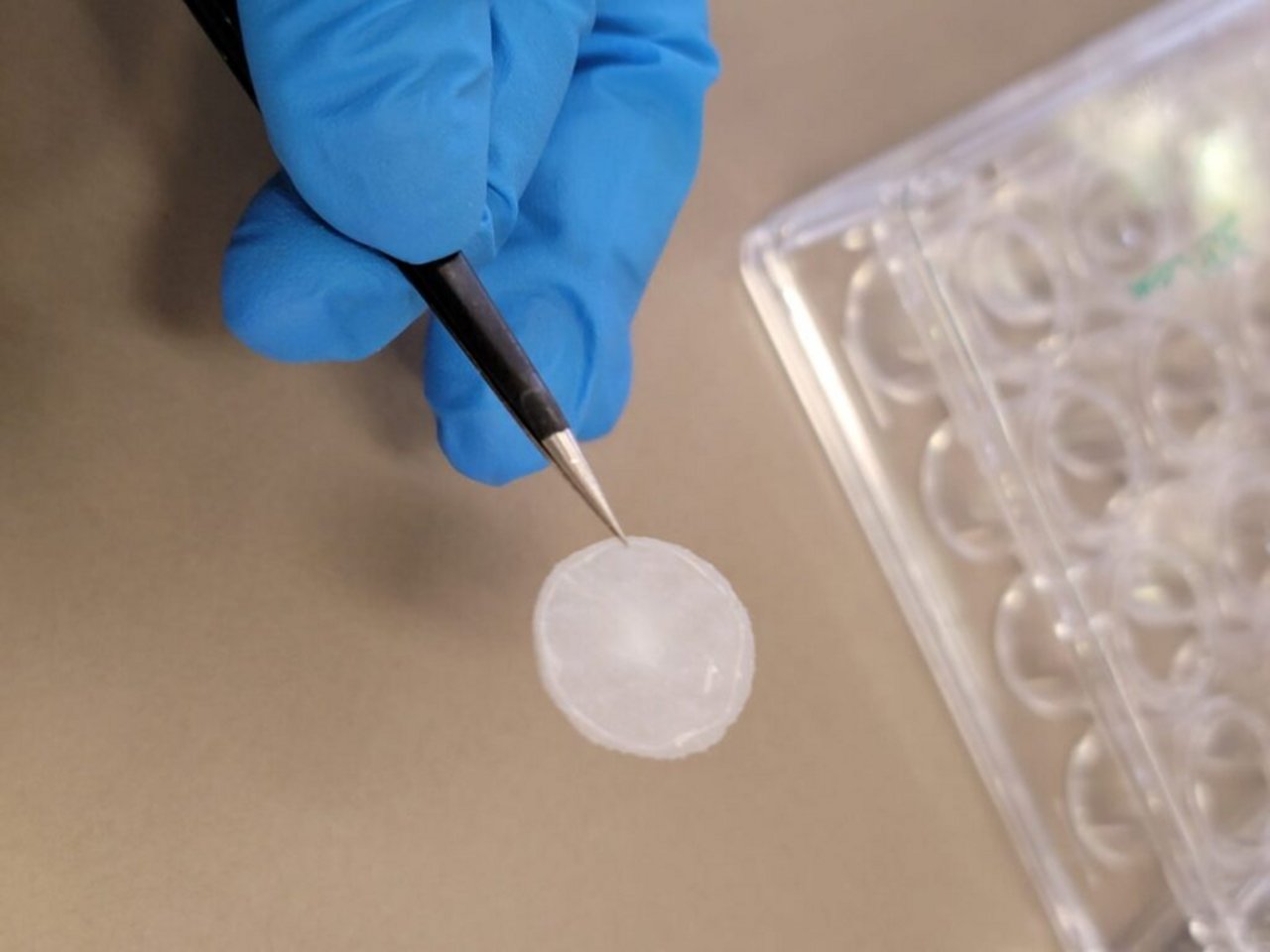
Cellulose film
What are the possible applications of these materials?
There are many different applications. For example, we can help improve mechanical properties, add particular functionalities such as hydrophobicity, or antioxidant or antibacterial capacity. With cellulose, for example, we’re working to reduce its water absorption, which is important for the creation of moisture-resistant materials.
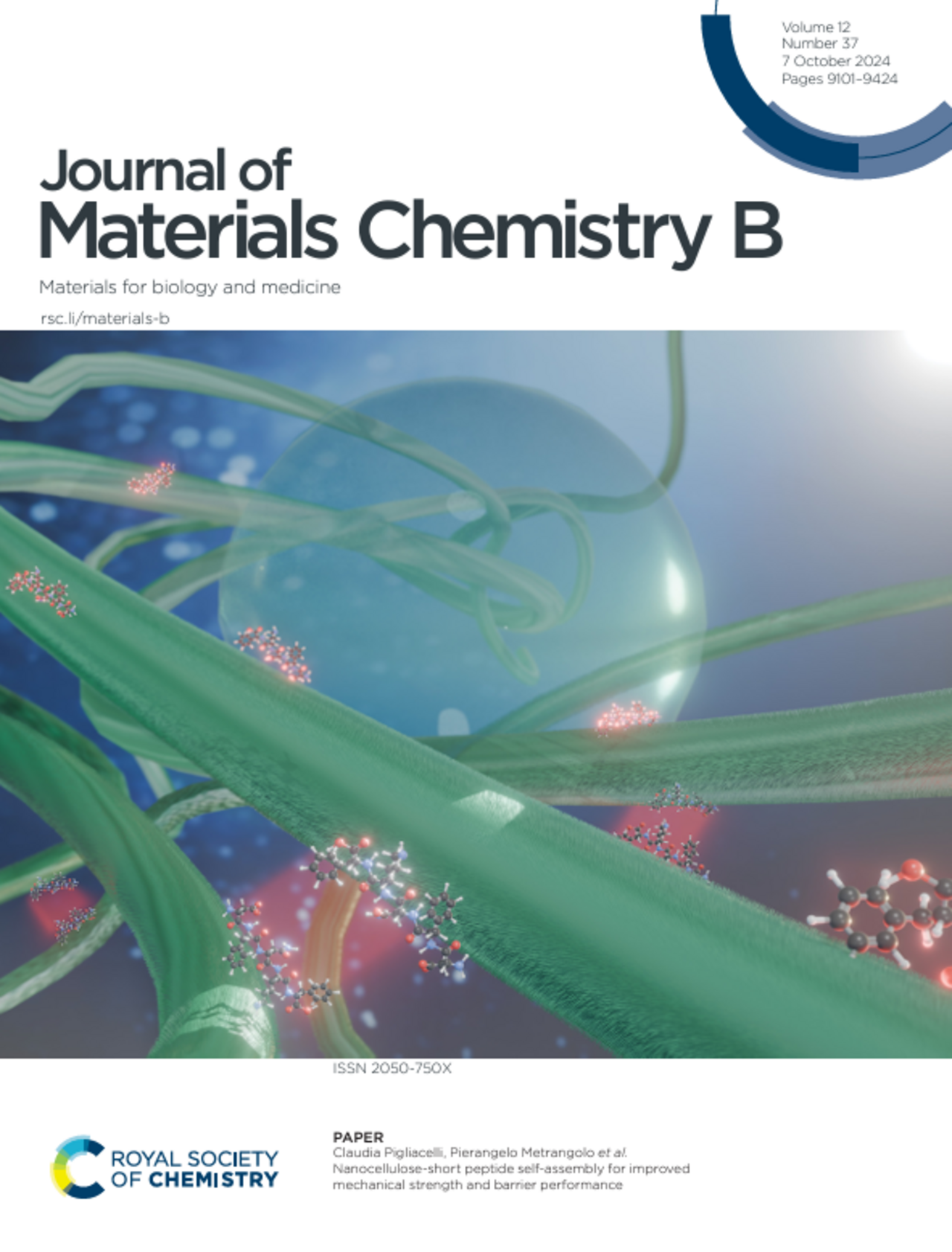
Magazine cover Journal of Materials Chemistry B
Tell us about your study ‘Nanocellulose-short peptide self-assembly for improved mechanical strength and barrier performance’, which featured on the cover of the prestigious Journal of Materials Chemistry B
We worked with cellulose nanofibers, extracted through mechanical processes. Cellulose is very versatile but has the drawback of being hydrophilic, i.e. it absorbs water. We have incorporated a sequence of just five amino acids into the nanofiber network, improving its mechanical properties and making it hydrophobic by the addition of fluorine atoms. The films we produced have water vapour barrier properties comparable to some cellulose derivatives, with a very low peptide content. This makes them sustainable and biodegradable.
But is this material totally sustainable?
Yes, in the sense that the original materials we used were cellulose and peptides which are actually naturally occurring elements, so it does offer a much more sustainable alternative to petroleum-derived materials. It would certainly be useful to do life cycle assessments to confirm the overall sustainability of the product.
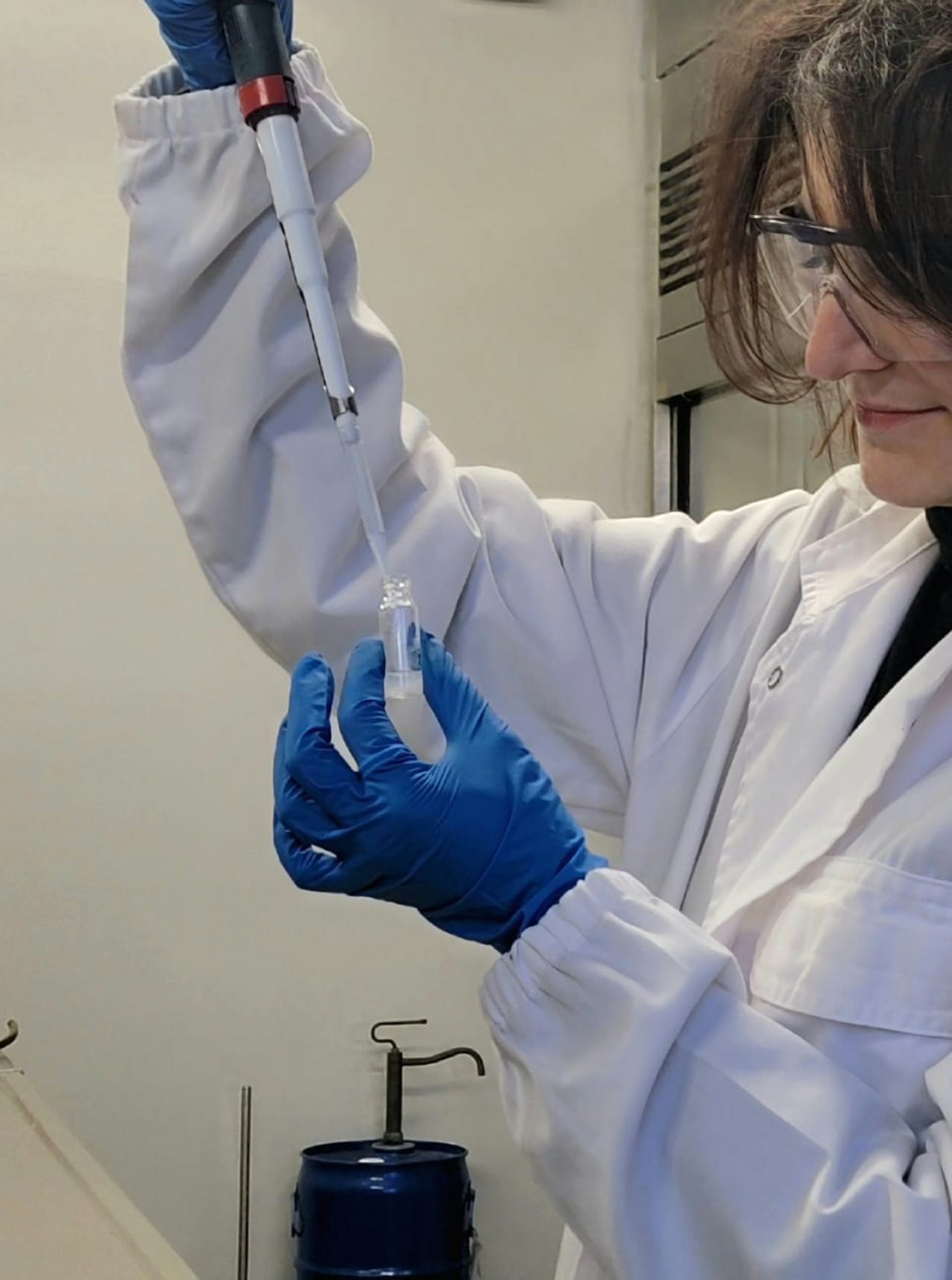
Elisa Marelli in the laboratory while diluting a cellulose hydrogel
Who collaborated on the project?
We worked with two Finnish institutes, Aalto University and the VTT-Technical Research Centre, experts in nanocellulose production. In Italy, the SCITEC Institute of the CNR helped us with the peptide synthesis. It was a valuable collaboration, and I learned a lot from it.
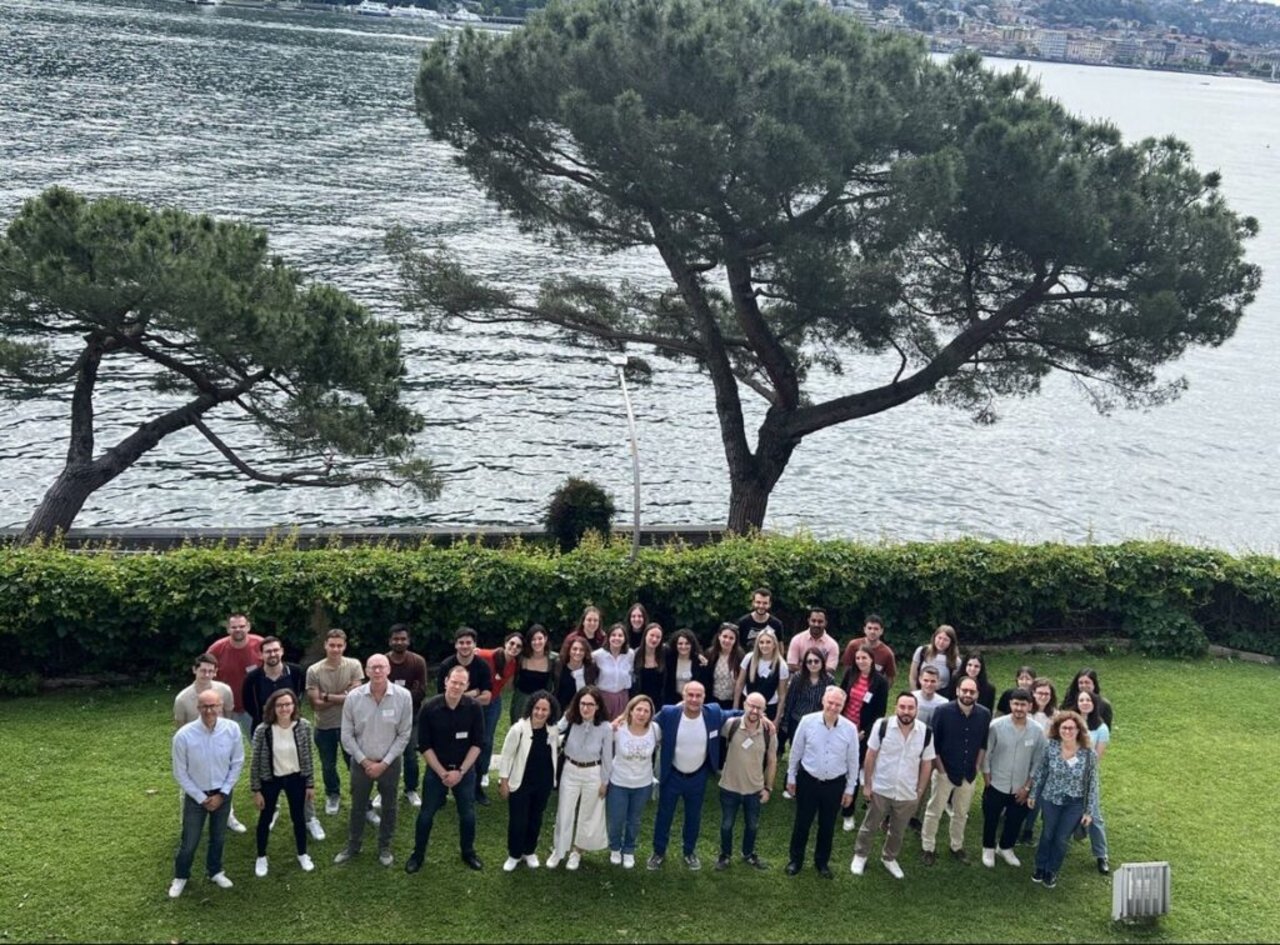
The SupraBioNano Lab at the second edition of the School of Supramolecular and Bio-Nanomaterials organized by the same research group, together with the speakers and participants of the school
How many people are there in your team?
The group is very large, and consists of six full and associate professors, five postdocs and seven or eight doctoral students, and this support network has certainly been a great help. The environment is very positive from both a human and scientific point of view, because we are working on projects that are different from each other, but the daily interchange gives you a different perspective into your research.
Would you recommend research to anyone wanting to follow this route?
Would you recommend research to anyone wanting to follow this route? Absolutely! It is a challenging pathway and requires determination, but also provides a lot of satisfaction. You need curiosity and the desire to solve complex problems, without losing heart when faced with difficulties.
Do you also manage to find time for yourself?
Sì, nel tempo libero mi piace molto cucinare per gli amici sperimentando nuove ricette in momenti di condivisione. Mi piace molto anche viaggiare, quando ne ho la possibilità, e scoprire nuovi posti e tradizioni che offrono prospettive diverse e arricchiscono il mio modo di vedere le cose.
What are your next goals?
I’ll soon be going to ETH Zurich for six months to study the self-assembly of certain peptide sequences at mesoscopic level, using methods such as atomic force microscopy. This period of basic research will help give me a better understanding of how molecular changes affect the properties of materials.
Related stories

From waste to value: CELLS research among silk, sustainability and nanofibres

Ultra short laser pulses to study matter
Margerita Maiuri uses laser to study matter

Moisture: the enemy of composite materials. But now there’s a patented sensor.
Monitoring safety and durability of structures in extreme environmental conditions

MINERVA, the device that reproduces cellular models for advanced studies and personalized therapies
A patent born at Technobiology Labs from the work of Carmen Giordano’s team

E⁴SPORT: research for passion
Meeting Francesco Braghin, director of the big research Lab in Lecco.
You might also like
Building in Balance
Matteo Scagnol and Sandy Attia of MoDus Architects discuss an architecture shaped by the tension between landscape and infrastructure, rules and freedom, materials and climate change.

From circuit to laboratory
The collaboration with the Politecnico as seen by Autodromo Nazionale Monza

Research Takes to the Track at Monza
The agreement between Politecnico di Milano and the Monza National Circuit creates an open-air laboratory for safety, sustainability, materials, mobility and major events.

Digital sovereignty: why regulating AI is not enough
Interview with Roberto Baldoni, Senior Advisor for Technology and Cybersecurity Policy to the Ambassador of Italy to the United States
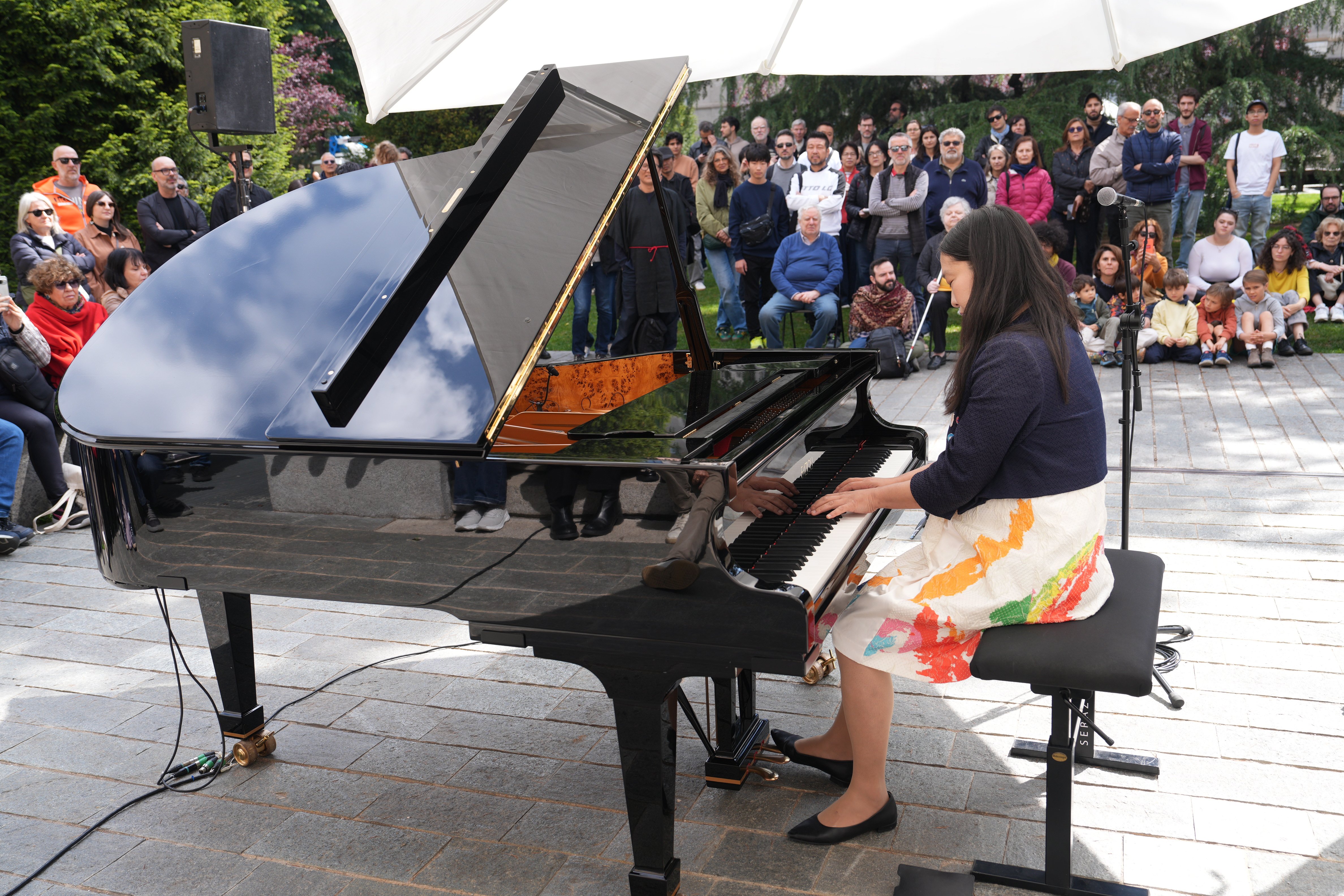
The creative force of mathematics, in the words of Sachiko Nakajima
The scientist and pianist is a tireless promoter of topics such as STEM, diversity and inclusion. In this interview she told us about her artistic world and her vision of mathematics.