

Architecture is not architecture: Ma Yansong's lecture


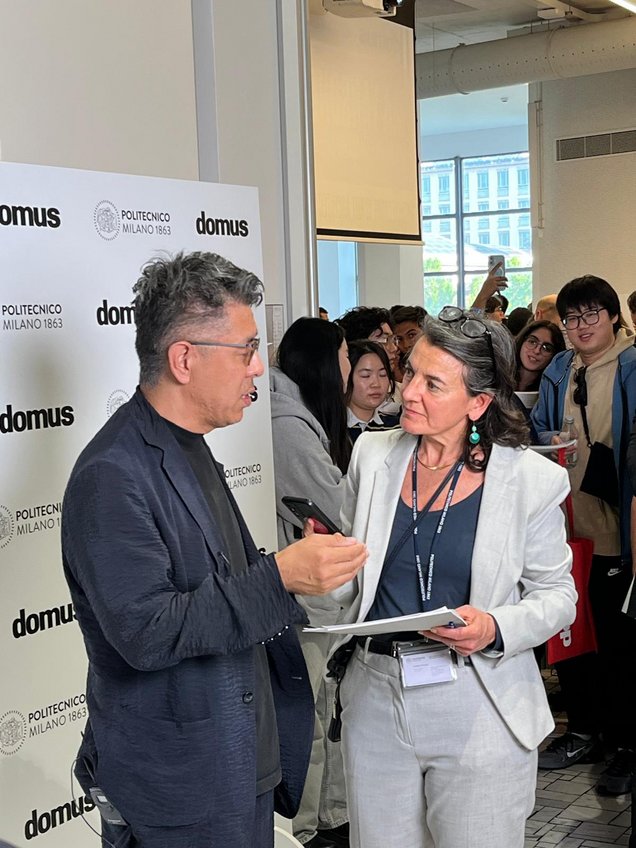
We met Ma Yansong on the occasion of his lecture at the Politecnico di Milano, organized in collaboration with Domus magazine, of which he is this year’s guest editor.
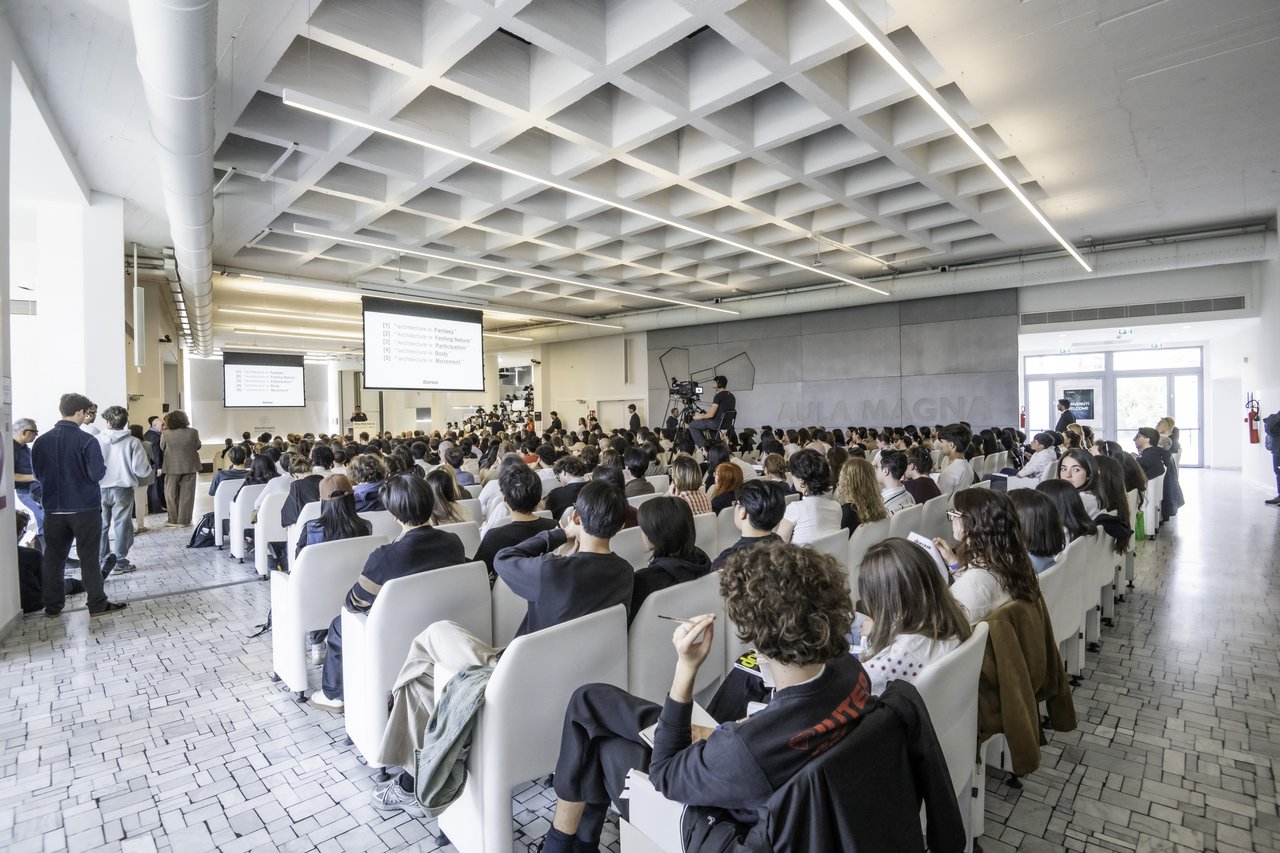
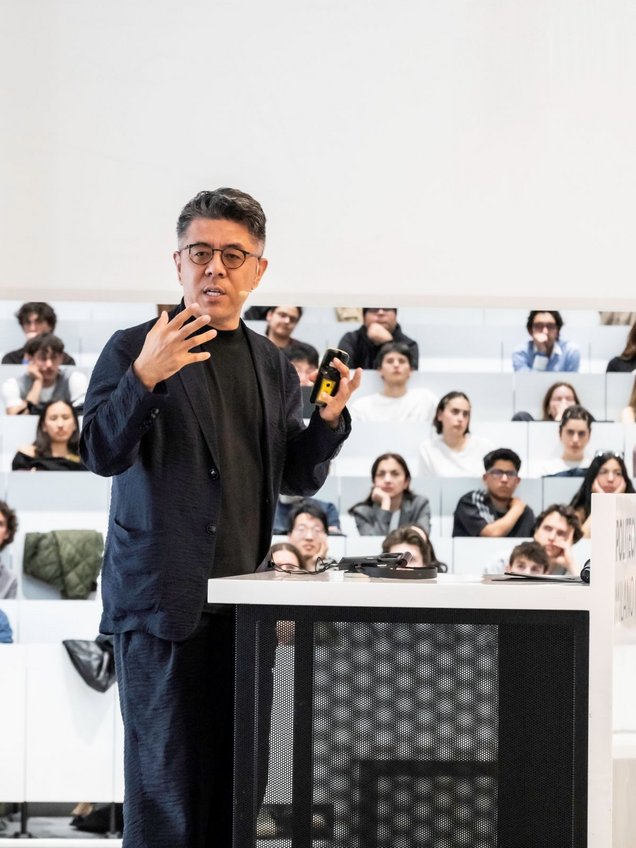
In a sold-out lecture hall packed with students, the Chinese architect and founder of MAD Architects retraced his projects, from his very first fish tank to the visionary new design for the Lucas Museum of Narrative Art in Los Angeles. Through this journey, he outlined his vision of architecture: a discipline that goes beyond the mere construction of buildings, expanding its meaning to respond to contemporary society by placing the relationship with people’s lives at its core.
What emerges is an approach in which materials and spaces are not ends in themselves, but tools for creating atmospheres, within a constant dialogue between nature and culture. This research takes shape in projects capable of connecting tradition and modernity, old and new, often integrating the landscape while giving back shared and accessible spaces. Founded in 1975, MAD Architects now has offices in Beijing, Los Angeles, and Rome, and develops architecture characterized by sinuous, fluid, and organic forms designed to merge with the natural environment and generate new spatial experiences.
Let’s start from the title of your lecture, “Architecture is not architecture.” What does this statement mean to you today?
I find that the profession is not enough to respond to today’s technology, today’s society, and our lives. This makes people lose interest, so we have to broaden this definition. Architecture is very important, it is related to everyone’s life, so it has to speak to many different perspectives and expand its meaning. We all remember Mies van der Rohe’s “less is more,” a motto of architects. But a stronger relationship with people’s lives is necessary.
For this year’s topic, I tried to give some new definitions.

In fact, you outlined ten of them in your lecture: fantasy, feeling nature, participation, body, movement, image, mending, narrative, event, new economy
Yes, we tried to give ten, but there could be more, because this is an open discussion. We want every country to contribute, to make architecture more open, more connected to our lives. So it is not just about drawing a building, but much more. What is important is not materials and spaces themselves, but how spaces and materials create an atmosphere.
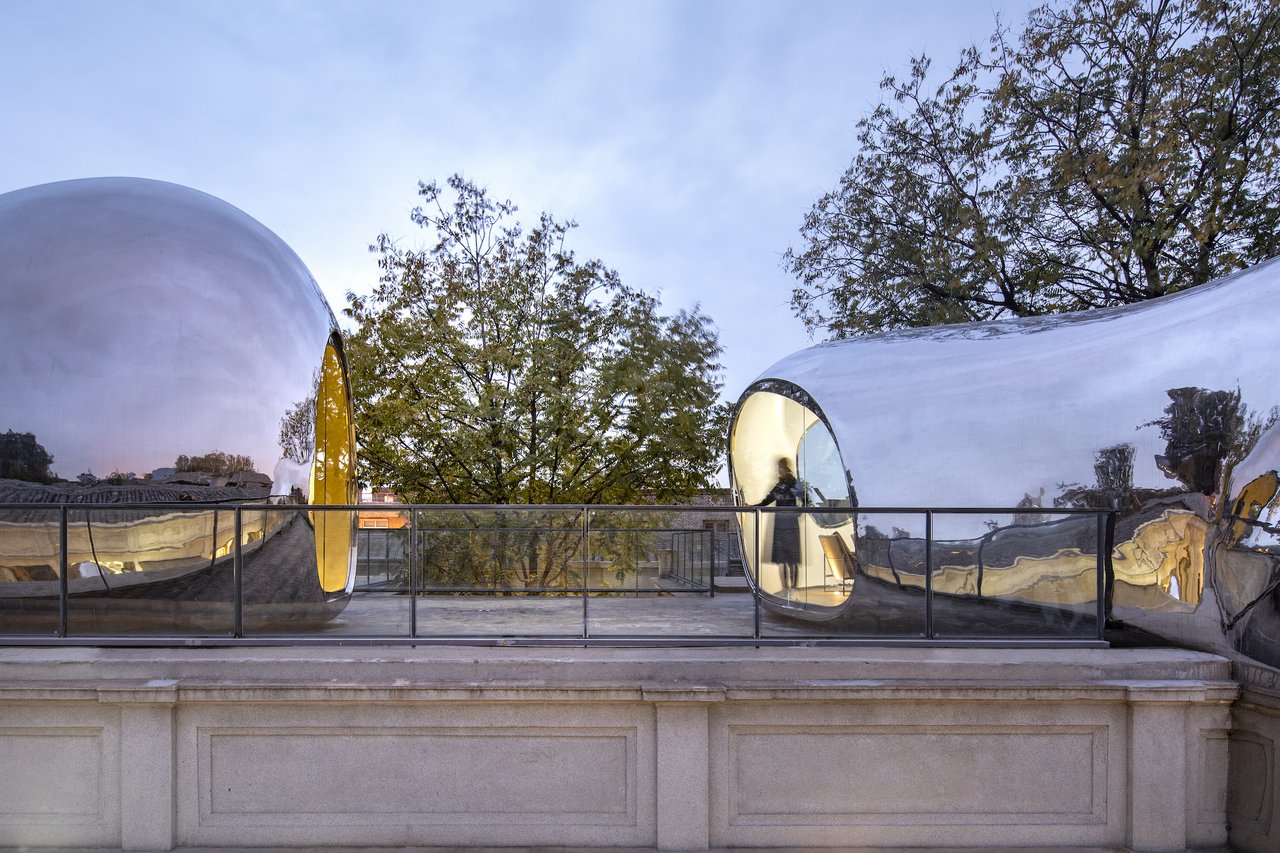
What inspires your work?
I draw inspiration from the city and from architecture of the past. I believe that the ancient nature of Beijing is carefully cultivated, the mountain, the pagoda, the water, nature becomes culture. There are many landscapes, and mountains are not just mountains, water is not just water. That is why I say architecture is not architecture.
The relationship between architecture and the artifact makes me say: I am part of you, you are part of me, we are one whole, I am part of nature.
And so you often connect old and new, tradition and modernity?
Yes, for example in the lecture I highlighted this aspect by talking about a nursery school project YueCheng Courtyard Kindergarten in which we preserved the old pitched roofs and demolished the fake ones. Then we planned the classrooms and created space for greenery and play areas. We covered everything with a very colorful roof.
In this way, it feels like travelling through time between old and new, but also respecting nature and the trees. This is a common element. The new structures were kept low, but they still allow for a spatial experience. You can enter the nursery through the old gate, old and new are constantly in contact with each other, and you feel like you are traveling through time.
I applied the same concept in a social housing project in Beijing, the Baiziwan Social Housing, with towers resting on a floating community platform, where pedestrians can access both the second level and the ground level, which is open to the city.
There are shared spaces, an amphitheater, and even a dedicated magazine. Social housing should create a sense of home so that people do not feel abandoned, but proud to live there.

The concept of the Shanshui city is central in your practice. How does the tradition of Chinese landscape painting become a design tool for imagining the cities of the future?
Yes, Shanshui is an ancient Chinese concept suggesting that nature can be spiritual and emotional. I think this is completely lost in today’s modern cities. Today we all talk about nature, sustainability, green energy, but not about the emotional or spiritual aspects.
We should learn from history and believe that our cities and architecture can have beauty and emotional moments. When we live in the city, we should still feel pride, it should be beautiful, cultural. I think this is what is missing today.
"Shanshui” is a Chinese term that literally means “mountain” and “water,” and refers to a genre of landscape painting that involves multiple levels of interpretation.

An example is your Harbin Opera House
Exactly, it has very curved lines, and the real challenge was to create a building accessible to the public, integrated with the park, even the roof is an open space, so people can walk on it, and there is also an amphitheater.
In this way, the building blends with the horizon. Inside, there is a lot of natural light since we tried to use natural materials such as local wood.
Here architecture becomes landscape.
So why not create a volcano building? That’s what we did, with a 4,000-seat stadium with green hills outside. The result is that you don’t see a large concrete and glass building, but a large open park that people can use at any time of day.
I really like volcanoes, but I designed it because in our fast-paced society, where everyone is overwhelmed and has no time to relax, I wanted to create a space where people can reflect. So I created a stadium not only for games, speed, and strength, but also for enjoyment.
Or the Opera House, with roofs that seem to explode, we tried to create monumental buildings that merge into nature, softening their power. Architecture is no longer so dominant.
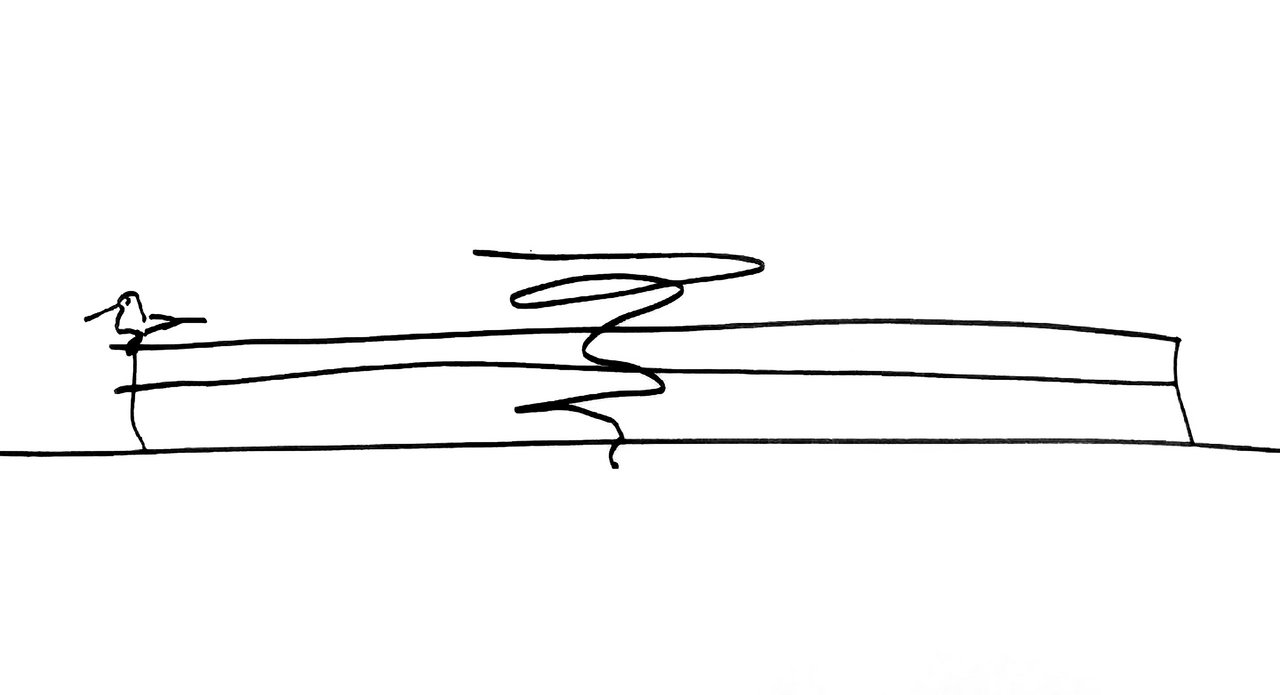
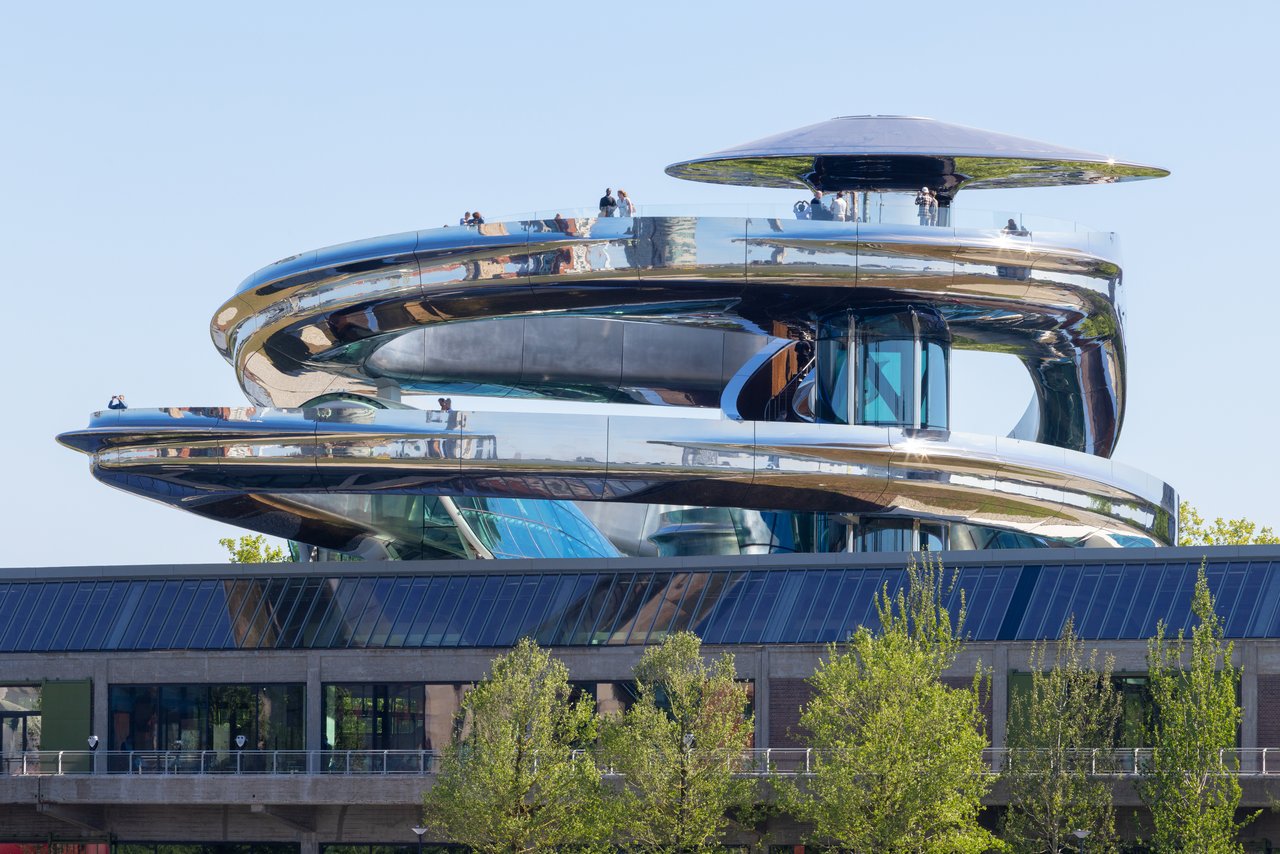
You have just completed a new museum in Rotterdam by renovating an old warehouse. What are you working on now?
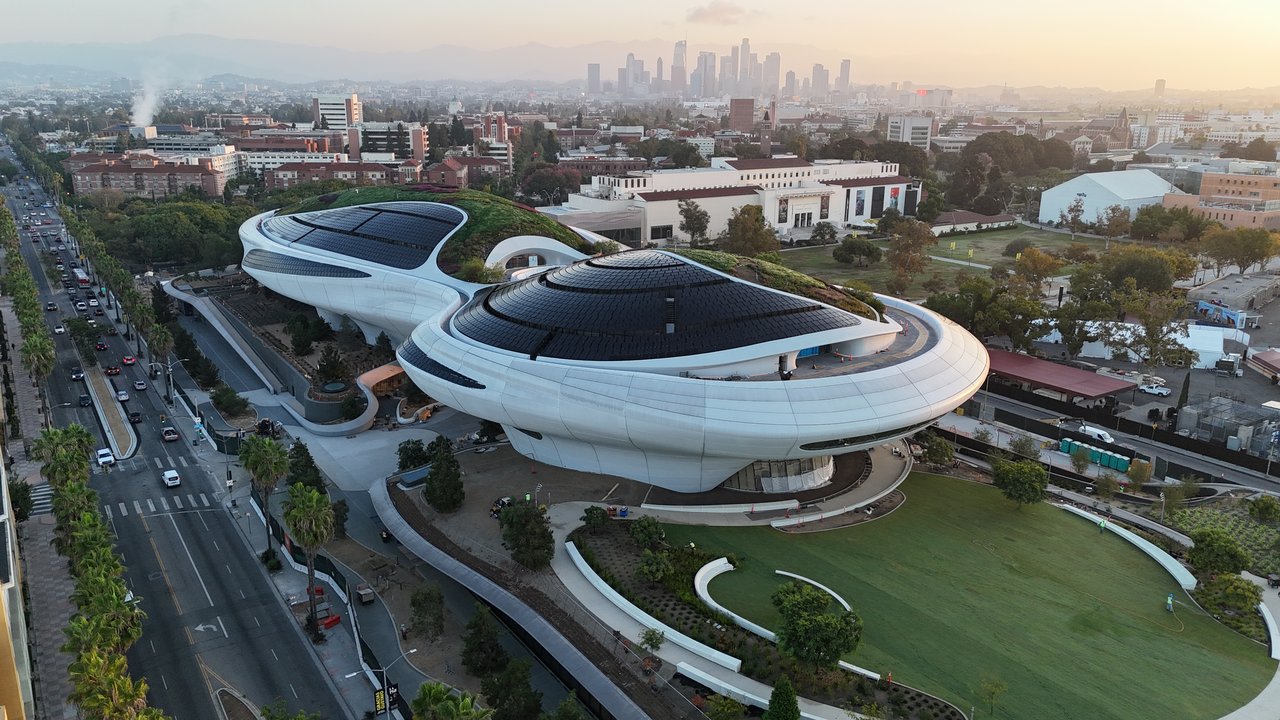
In September, my latest building will open: the Lucas Museum of Narrative Art (LMNA) in Los Angeles, founded by George Lucas, the director of Star Wars.
It is a floating structure, we wanted to preserve the landscape at ground level and create a new landscape on the roof. It is a horizontal structure: people can walk underneath it and also go up to the roof.
The building is almost complete. It is near a campus with red-brick buildings; from there you can see downtown Los Angeles and the mountains. So the building becomes a gateway to this large open green space. Nearby there are also the space museum and the natural history museum.
The building is very organic; it is black because of the solar panels on the roof. They say it looks like a spaceship. Near the building there is a large public space with an oculus that brings in light. So it is a space that brings people together and also provides shelter from the heat.
I think I was inspired by clouds, if you walk around it, you cannot define its shape, because it depends on the point of view. This intrigues people, especially students. It is a surreal, uncertain space to be discovered, and I think this is the meaning of the building.
You said you are worried that younger generations are losing interest in architecture. What is changing in their relationship with it?
This is something I have observed, especially in China. There has been a big shift. In the past, architecture schools were very popular, the best students went there. Now enrollments are shrinking, some programs are closing because people are not applying.
Talented students prefer to pursue other careers, because education has become old-fashioned, it focuses only on technique, drawings, and construction. But architecture can be art, social activism, philosophy, it can be many things.
Today, if you go to China, developers often don’t know what to do. For example, when they renovate a street, they don’t know what program to create, what people like, or what activities to include.
They ask architects, but architects often lack this knowledge, they only know how to follow instructions and produce drawings. But architects should connect with many people, they should not only have the ability to design, but also to understand what to design, what to do, and what the goal is.
This is something young designers should pay attention to.
What advice would you give to a young architecture student?
I think architecture is about life. We should focus on life, on people—not on buildings. Buildings are just a means, a part of the process.
As people, we live in cities, we talk about gardens, streets, public spaces, furniture, homes, communities, and many other things. We should observe society and define our own role, instead of waiting for a task to be given to us.
How do you start a project? We saw many of your sketches, do you start from them?
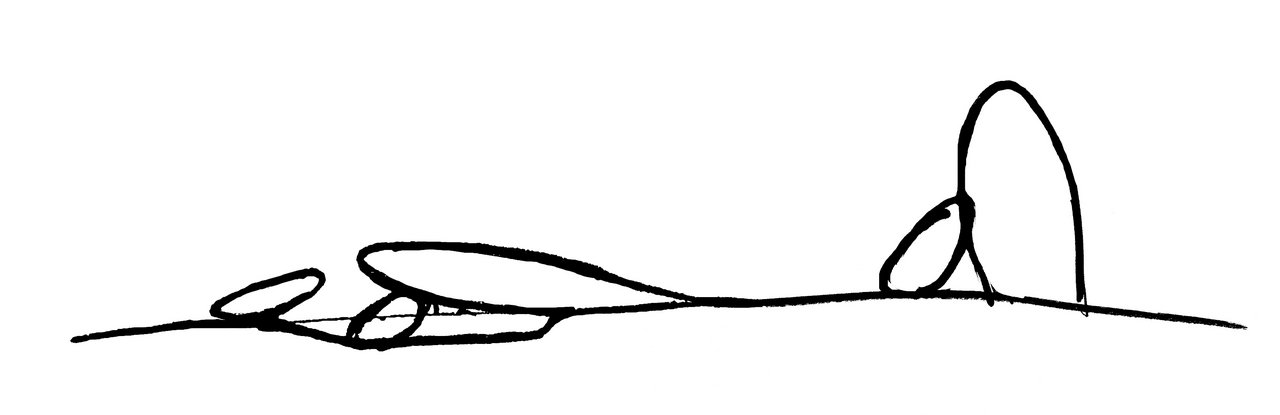
Yes, I often begin my projects with quick sketches that capture an emotion. These are later developed into something larger. I do sketches, but they come from observation.
You go to a place, you need to understand the people and their dreams, why they want something. Then you try to become part of it, and only then can you respond.
And finally, what do you think about Milan in this period, about the Salone, and its architecture—from tradition to the growing number of skyscrapers?
I think Milan has many important qualities: historical buildings, new architecture, young people, nature, everything is very active.
I often come here during Design Week, when it’s full of people. It feels very open and dynamic, I really love it.
You might also like

Geopolitical instability, health crises: the risks in the pharmaceutical supply chain, and how to manage them

From circuit to laboratory
The collaboration with the Politecnico as seen by Autodromo Nazionale Monza

Research Takes to the Track at Monza
The agreement between Politecnico di Milano and the Monza National Circuit creates an open-air laboratory for safety, sustainability, materials, mobility and major events.

Compostable, edible, made from apples: the label that reduces the environmental impact of food packaging
Working Across Time Zones: A Hidden Advantage for Science
An interview with Professor Miriam Judit Manchin.