

Digital Twins at the service of teaching


The EYEducation Laboratory is the first laboratory in the world to use Digital Twins in technological development, in scientific advances and within the courses delivered at the Politecnico di Milano.
It all started with a research group that has worked for many years on mathematical modelling, process simulation, development of control systems and optimization systems to solve design problems and operations management systems for production processes.
The normal evolution of all these techniques and methodologies is the use of Digital Twins, a digital representation of a physical object; but, to be such, it must be detailed, dynamic, three-dimensional and realistic.
It all started in the Department of Chemical Engineering with a small laboratory, then moved to two facilities, one on the Leonardo Campus and the other on the Bovisa Campus, where we have installed 15 Oculus workstations, each of which can accommodate up to four students, for a total of 120 students engaged simultaneously.

Nowadays, students can all wear their own Oculus, enter the avatar individually and solve from time to time all the problems they are presented with. This Digital Twin has been used before, in the Chemical Engineering and Energy Engineering degree programmes and it will rapidly extend its use to other degree courses.
For this purpose, the METID, the Innovation Teaching and Learning task force of the Politecnico di Milano has developed a design method that supports teachers in the detailed planning of what needs to happen in the virtual reality classrooms, based on the learning outcomes that have been identified.
In the EYEducation Laboratory, students have Oculus headsets at their disposal that enable them to enter the world of virtual reality, aided by a hardware component in the form of computers with very high-performance graphics. A dynamic simulator, an intermediate layer that conveys the information from the dynamic simulation to the effectively virtual world. In this three-dimensional world, the student, with the joystick and the headset, receives both visual but above all tactile feedback on operations undertaken in the process.
The final objective is to extend the individual problem-solving to collective solutions, engaging multiple students simultaneously all over the world.
Our guides are Flavio Manenti, head of the EYEducation laboratory, Susanna Sancassani, head of METID – the “Innovation Teaching and Learning” Task Force of the Politecnico di Milano – and Andrea Galeazzi, co-head of the laboratory.
You might also like

Architecture is not architecture: Ma Yansong's lecture
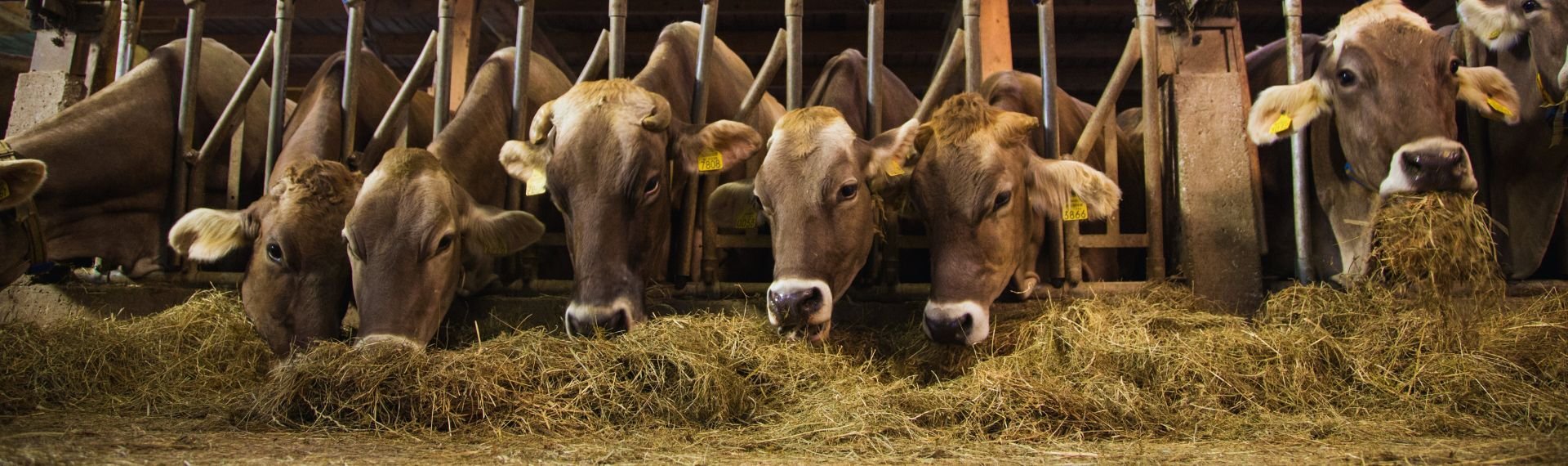
A robot in the barn: automating feeding on farms
Promoting technological innovation to support farms

Building the future, layer by layer
From intelligent 3D printing to bioprinting, Bianca Maria Colosimo talks about the technology that brings together data, space, and life sciences.
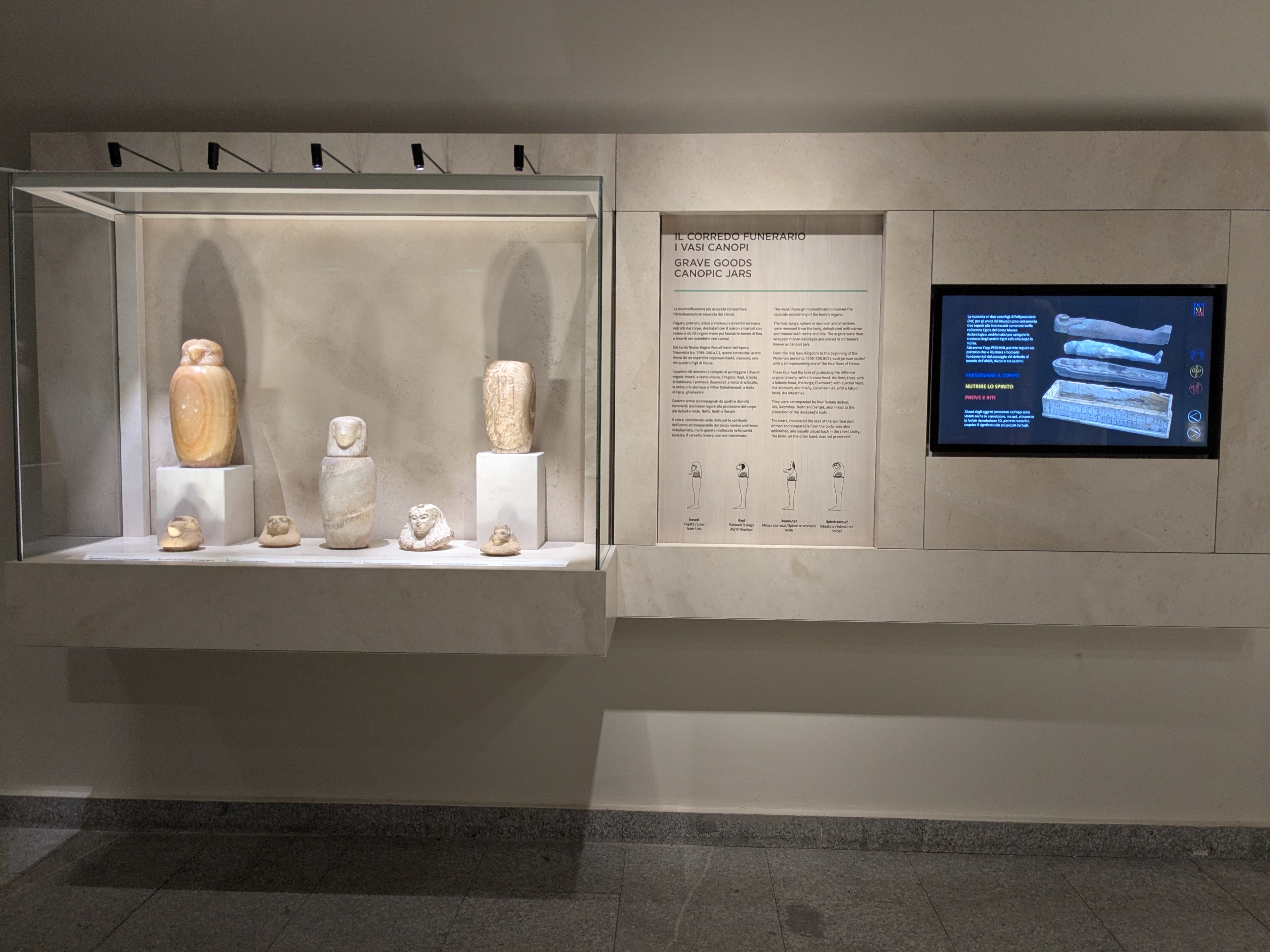
The app that tells the story of funerary rites at the Ancient Egypt Gallery
The app developed by the Department of Mechanical Engineering recounts, on an interactive screen installed in the Museum, the complex Egyptian funerary rites, with previously unseen images and detailed insights.

A sustainable future for lunar orbit
Dozens of missions are about to reach the Moon: a “waste sorting” system for their satellites is already needed today.