

At La.S.T., safety is impact-proof


While it is not possible to eliminate every risk caused by a high-speed impact, La.S.T. — Transport Safety Lab — at the Politecnico di Milano is dedicated to minimizing the risk of injury to vehicle occupants. In the passive safety section, cars, motorcycles, trains, and even helicopters are put to the test to study their behaviour in the event of a crash.
The tests are performed both on individual parts and on different types of full-scale vehicles or aircraft: from energy-absorption tests to simulate high-speed impacts, to deceleration tests involving parts that are not directly subject to the impact, for example, an automobile seat, which are therefore decelerated violently with the use of sleds.

And when a bird hits an aeroplane? At La.S.T., bird-impact tests are performed using a cannon that launches ballistic gelatin at a speed close to that of sound.
To do all of this, La.S.T. has various equipment in addition to the above-mentioned cannon. There are special drop towers to test aircraft landing gear, a horizontal sled, and equipment for static load tests.

Created at the end of the 1960s, the Transport Safety Lab was the first academic crash-test lab in Italy. Located in a historical industrial zone of Milan, the lab makes use of a very large space created for a previous use. In fact, the lab is located in a building where cables were woven for a company called ‘Ceretti e Tanfani’. Still today, La.S.T. is one of a kind in Italy and abroad.

Post crash aluminium alloy square tubes

Horizontal crash test facility acceleration zone

Horizontal crash test facility impact zone
Related stories

Research Takes to the Track at Monza
The agreement between Politecnico di Milano and the Monza National Circuit creates an open-air laboratory for safety, sustainability, materials, mobility and major events.

Art, science and technology in the unique design of Horacio Pagani’s hypercars
A close-up with the Italian-Argentinian entrepreneur, founder of Pagani Automobili, who revolutionised the automotive sector with his talent

The Colnago Legend: Cycling as Art and Ingenuity
The Colnago legend: cycling as art and ingenuity

Touring Italy’s UNESCO sites by bike: the “E-scapes” Observatory’s mapping
Allowing different speeds to coexist, in order to promote a slow tourism in “middle areas” – with Andrea Rolando

Sailing towards change: innovative and sustainable yacht design
Can a passion become a profession? Arianna Bionda reveals how
You might also like
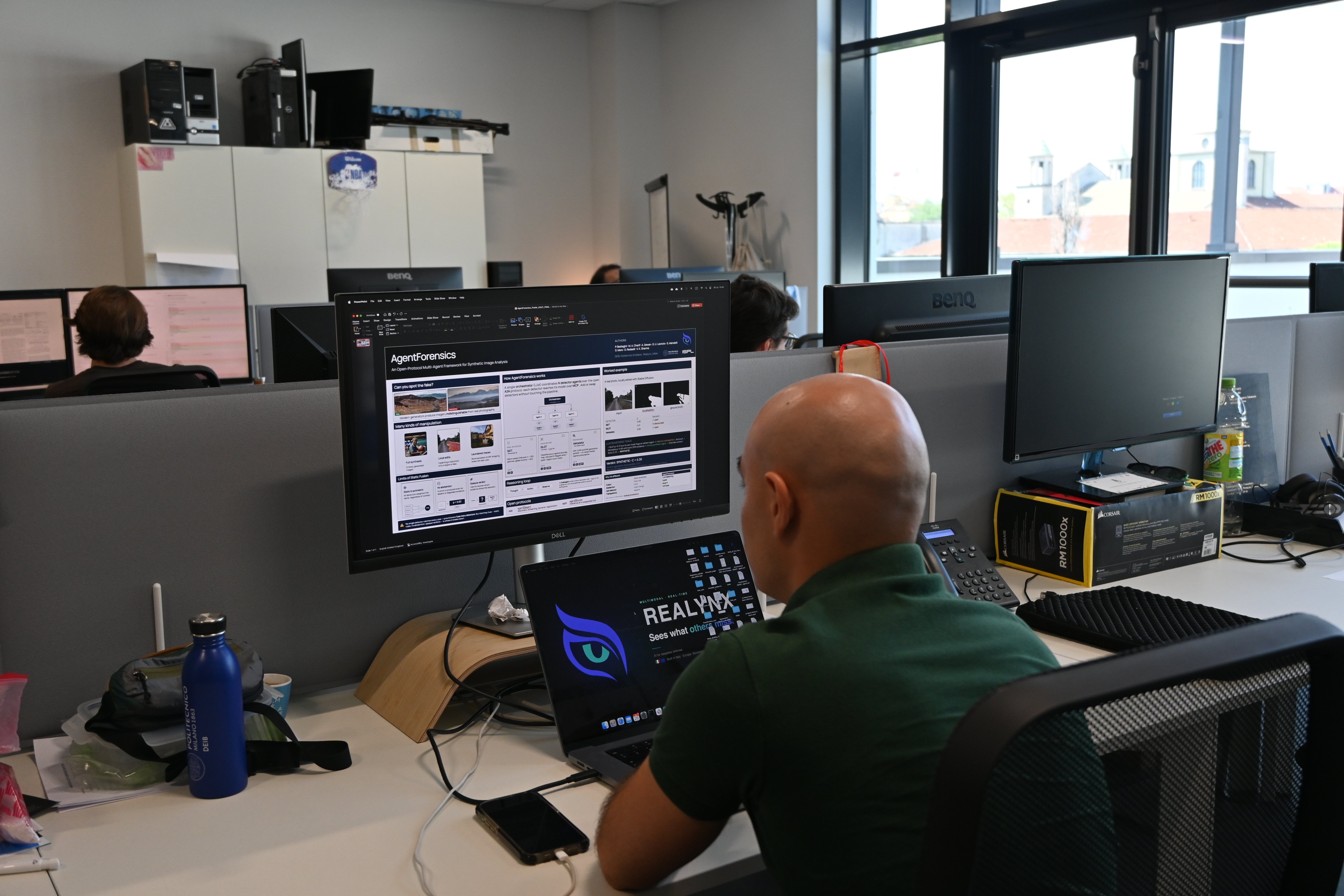
Beyond true and false: recognising synthetic content in the age of AI
From cloned voices to deepfakes, the challenge is no longer just to distinguish what is true from what is false, but to understand how content has been produced, transformed and used.
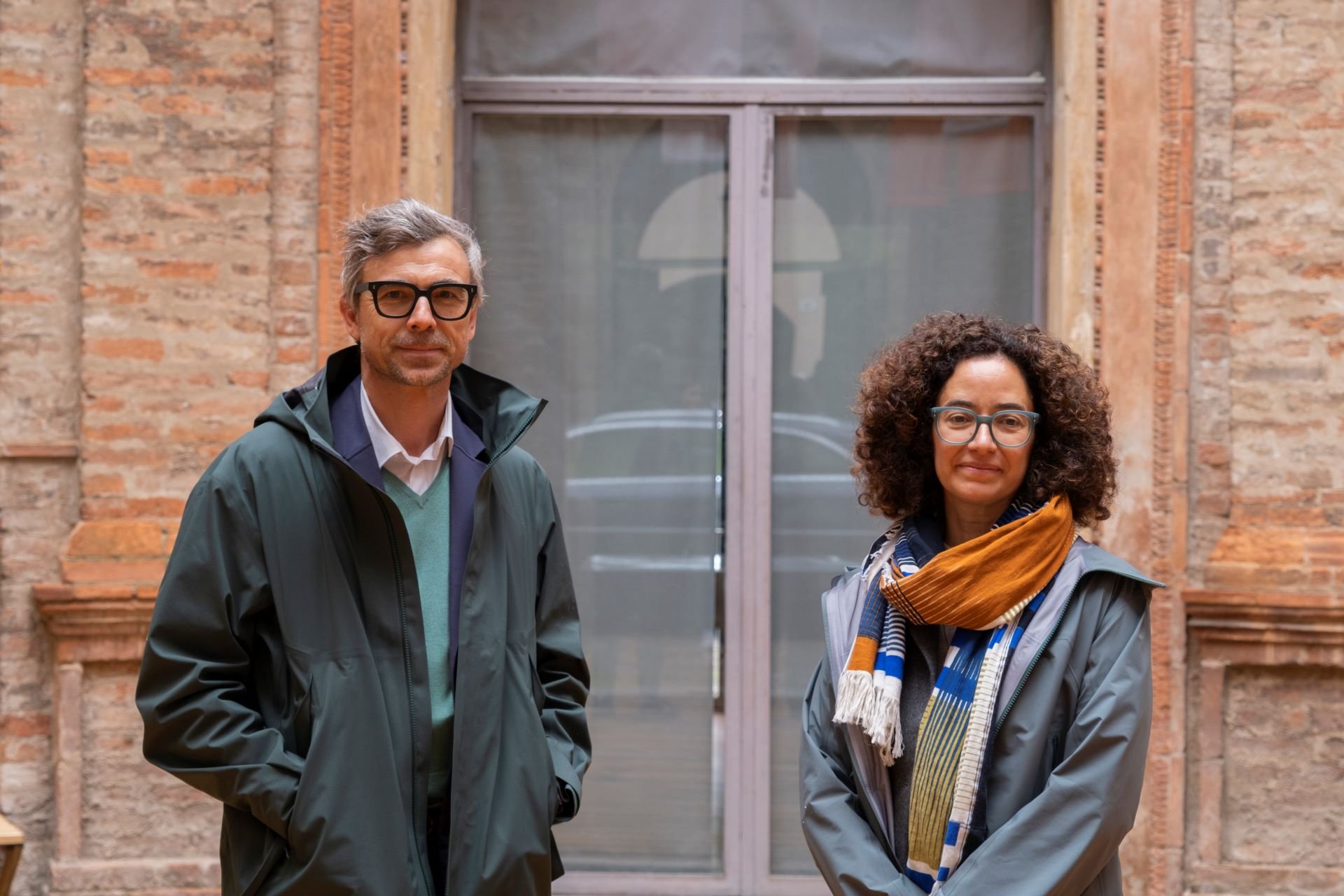
Building in Balance
Matteo Scagnol and Sandy Attia of MoDus Architects discuss an architecture shaped by the tension between landscape and infrastructure, rules and freedom, materials and climate change.

Who owns Milan? Map reveals forces reshaping the city
The financialization of the real estate market and its effects on urban development dynamics

Technology in the desert: how to map in 3D Egyptian and Roman excavations using photogrammetry
An interview with Alessandro Mandelli, a veteran for Politecnico di Milano's excavations in Egypt

Reading Maps: The Taste of Discovery
Jessica Gritti discusses the research on the Maps section of the Civica Raccolta delle Stampe “Achille Bertarelli”: from cataloguing and new international connections to the value of collaboration between universities and cultural institutions.