

Ultra short laser pulses to study matter

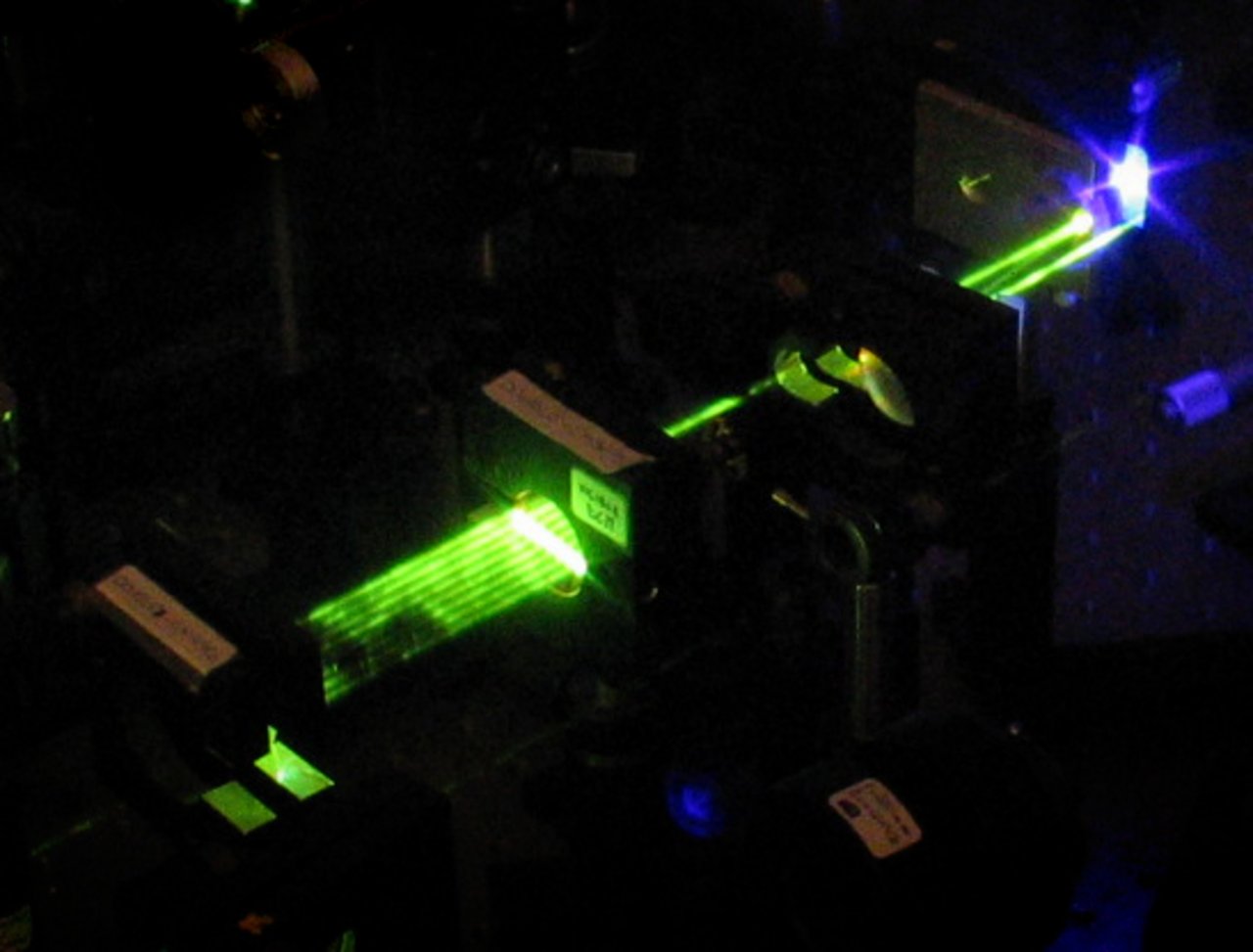
«All the engineers here learn to build things, and I’ve learned to build ultra-fast lasers». Margherita Maiuri, a researcher in the Department of Physics, talked about her work at the Politecnico di Milano. Ultrafast spectroscopy laboratories use laser sources for the generation of ultra-short light pulses and their application to the analysis of the physical properties of matter. This research uses innovative technologies and methodologies in the field of lasers to yield results that could prove significant in the field of optics, optical communications and diagnostics for materials.
Margherita, what exactly do you research?
«I specialise in photonics. In our laboratory we use lasers to probe the optical properties of materials from a transient point of view. We use spectroscopy techniques that allow us to study the response of materials to light stimuli on what we consider to be an ultra-fast scale. I mainly study complexes relating to the absorption of light and the conversion of this into energy. At the beginning of my research for a PhD, I studied the optical properties of natural biological systems, working in a field that combines physics, chemistry, and biology. I investigated the molecules in plants (carotenoids and chlorophylls), studying in particular the light phase during the earliest stages of the photosynthesis process. The molecules in plants (called photosynthetic pigments) very quickly react to light, absorb it and convert it into chemical energy. The central part of my research is to really understand how these molecules accomplish these processes, in particular how energy transfers take place within plants on these ultra-fast scales».
What fields of application can this research have?
«Mine is basic multidisciplinary research, which involves different sectors and has disparate fields of application. From a biological point of view, our studies can be very useful. For example, we are discovering how the plant responds to a more or less intense light stimulus, and therefore how it protects itself. While in the field of research into new materials for renewable energies, understanding exactly how natural photosynthesis works has allowed us to identify the guiding principles that must be applied to create a device that converts clean energy, an “artificial leaf”».
What is the future of your research on the use of ultra-short pulses?
«In recent years I have also been interested in structured nano materials, which always respond to light. By studying their composition we are learning about properties that allow us to control and modulate light. My idea is to combine these two worlds: how to control chemical reactions through structured nano materials».
What instruments are used in the Ultra Short Spectroscopy Laboratory?
«In our laboratories at the Politecnico di Milano, students and researchers work on different things using tools that are all designed and built in the Department of Physics. They are very complex lasers with which we can generate very short light pulses (femtosecond durations). We collaborate with many Italian and international research groups, to investigate issues related to the capture and conversion of energy, such as photocatalysis, photovoltaics or, indeed, photosynthesis».
Was this the job you wanted to do when you were a child? How did you get into STEM subjects and research?
«When I was young I didn’t play with chemistry sets and I didn’t even study classics at high school, so I didn’t know much about scientific subjects. But I breathed the air of research at home, as both my parents taught medicine at University. Almost by chance in 2004 I attended some orientation courses organised by the Politecnico di Milano and the Scuola Normale Superiore of Pisa. There were talks about nanotechnologies and I was fascinated, I could just see myself using a powerful tool to do cutting-edge things. I think it was these courses that first gave me the idea to study STEM subjects».

There is a lot of talk about the gender gap in many areas, including research: do you feel that this is true in your case?
«When I enrolled at the Politecnico in 2005, only about twenty of the hundred or so people on my course were women. The numbers are now improving and they’ve doubled overall. This gap did not bother me particularly during my studies. However, what was missing perhaps were more female role models at the university. I didn’t have many female teachers, there were only a few to act as role models. During my PhD, there were many women in my work group, and the same was true when I did a post-doc in America. Unfortunately, there are still far fewer female professors than male ones. I think that the reasons for this gender gap, especially in senior positions, are disparate and both cultural and social. Reconciling personal life, family and children with work commitments can be very difficult; a lot of help and support is required both at home and at work to allow one to dedicate the right amount of time to everything. I have been a mother for just over a year and I am lucky to have a husband and colleagues who support me a lot».
Related stories

Inside the World of Graphene: A Conversation with Nobel Laureate Konstantin Novoselov
A journey through discoveries, intuition, and groundbreaking applications

Inside reactions: how catalysis works
Discovering the chemical process which affects us more than we think

Moisture: the enemy of composite materials. But now there’s a patented sensor.
Monitoring safety and durability of structures in extreme environmental conditions

From mimosa pudica to responsive panels for architecture, the research at MaBa.SAPERLab
Fabio Bazzucchi has been studying this peculiar plant to design dynamic and responsive architectural elements.

E⁴SPORT: research for passion
Meeting Francesco Braghin, director of the big research Lab in Lecco.
You might also like
Building in Balance
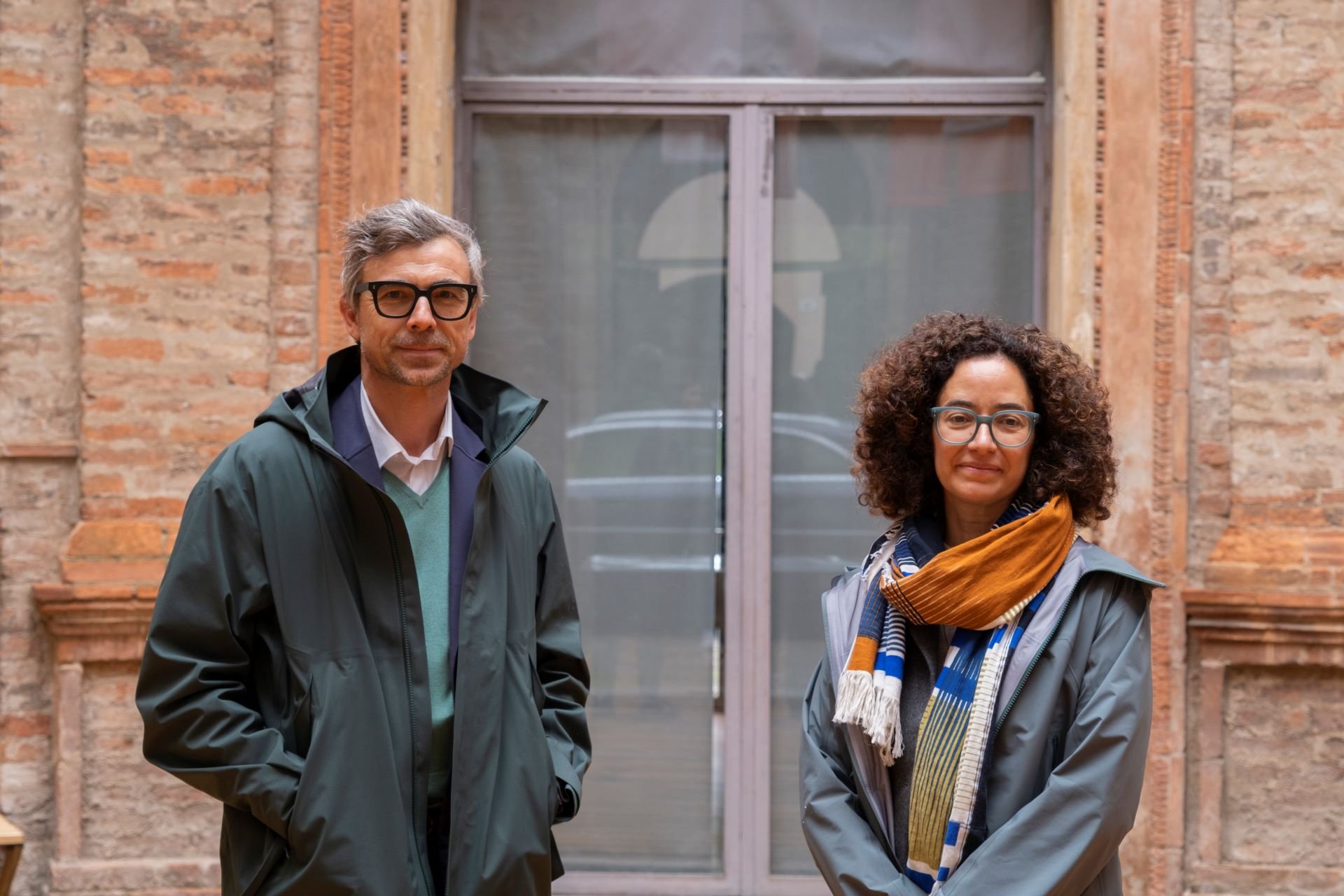
Matteo Scagnol and Sandy Attia of MoDus Architects discuss an architecture shaped by the tension between landscape and infrastructure, rules and freedom, materials and climate change.

From circuit to laboratory
The collaboration with the Politecnico as seen by Autodromo Nazionale Monza

Research Takes to the Track at Monza
The agreement between Politecnico di Milano and the Monza National Circuit creates an open-air laboratory for safety, sustainability, materials, mobility and major events.

Digital sovereignty: why regulating AI is not enough
Interview with Roberto Baldoni, Senior Advisor for Technology and Cybersecurity Policy to the Ambassador of Italy to the United States
The creative force of mathematics, in the words of Sachiko Nakajima
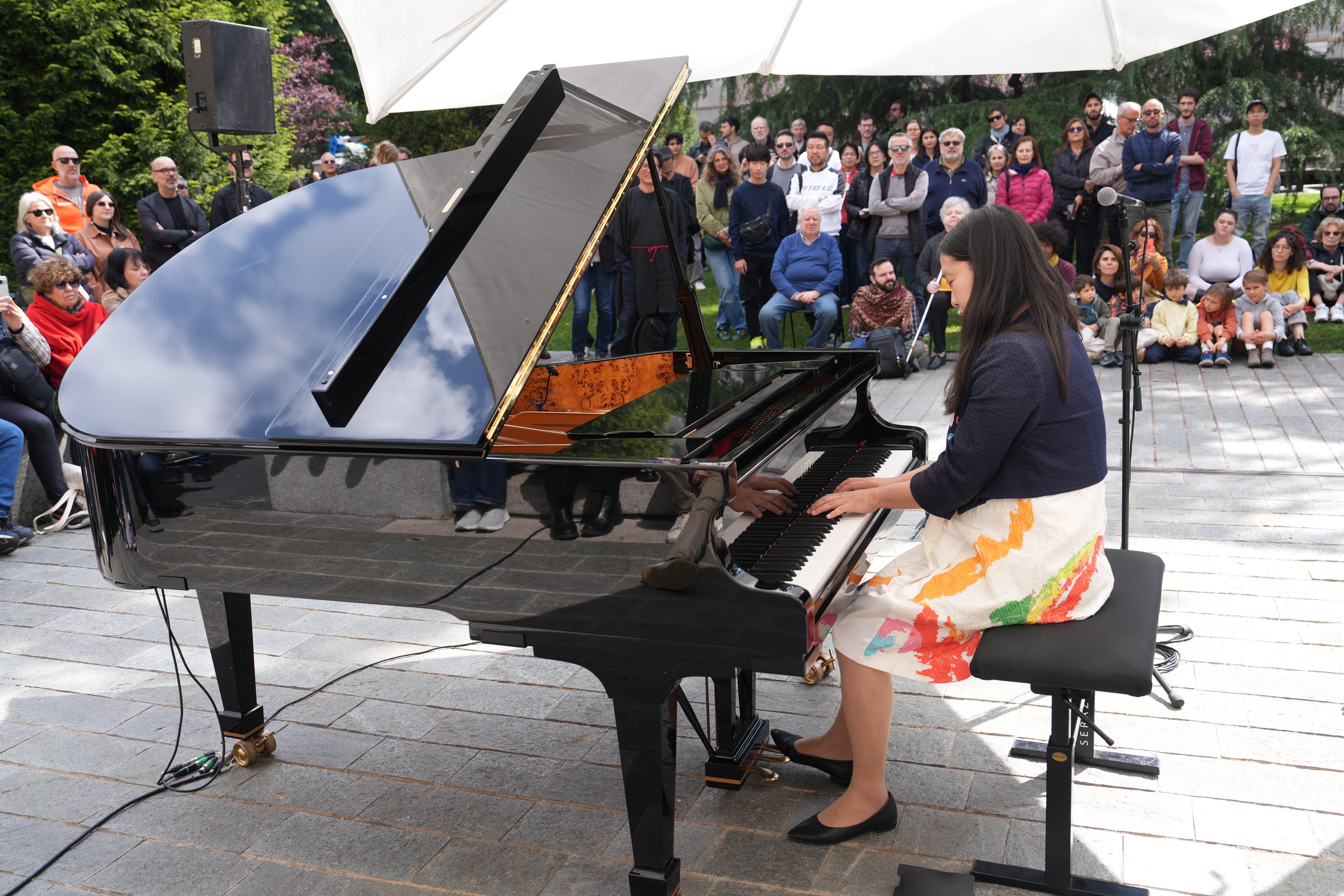
The scientist and pianist is a tireless promoter of topics such as STEM, diversity and inclusion. In this interview she told us about her artistic world and her vision of mathematics.