

Sergio Carrà talks about himself in “Impronte politecniche”


Not everyone knows the positions of emeritus and honorary professor: they are the highest academic degrees at national and international level, and represent the final recognition of a scientific and university career of particular and recognized prestige.
But these are not simple titles to boast of. In fact, emeritus and honorary professors are on the one hand a fundamental element for the construction of the memory of a great university like ours, on the other, an integral and particularly vital part of the variegated polytechnic community.
With the video column “Impronte politecniche” (Polytechnic imprints) we want to enhance the precious link between past and future, comparing some of our emeritus or honorary professors with teachers currently in activity who have been their students, in conversations at the same time friendly and authoritative.
Retracing the experience of the greats of engineering, architecture and design, and comparing it with today’s world of research, we will once again demonstrate the powerful role that history has in making us understand the present.
(copy 6)
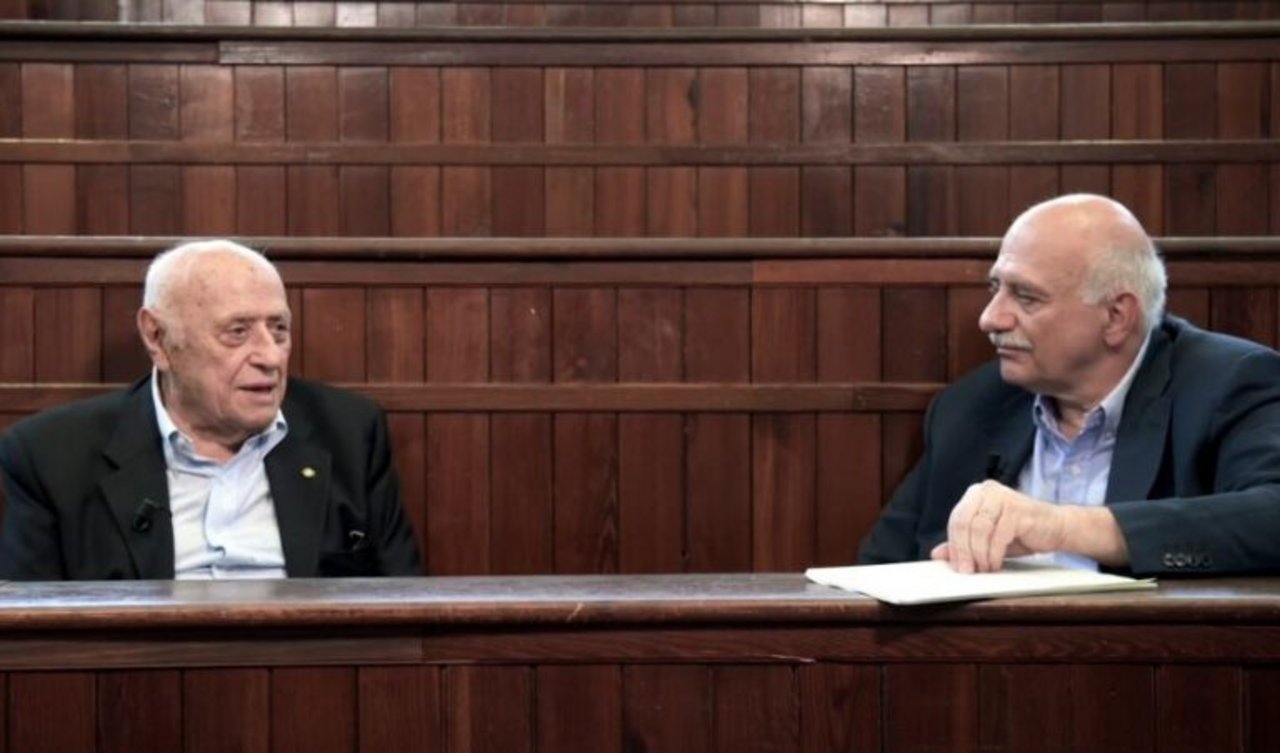
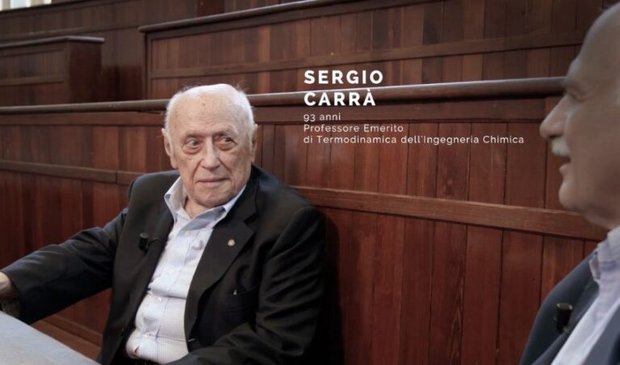
For our first appointment we take you to the iconic Giulio Natta classroom, on whose wooden seats and desks, generations of students have followed the most diverse engineering lessons. Here we met Sergio Carrà, professor of physical chemistry since 1968 in various Italian universities, and since 1972 professor of thermodynamics applied to chemical engineering at the Politecnico di Milano. Dialoguing with him, Maurizio Masi, professor of food manufaturing.
We follow in the footsteps of Professor Carrà thanks to his vivid voice. We will relive his academic career up and down the Peninsula; relationships with teachers, colleagues and students; his considerations on the interweaving of basic and applied research, between scientists and engineers. Through first-hand anecdotes, we will retrace the path of chemical engineering in Italy, from its gradual opening to the world to the progress achieved in this new century.
You might also like

Architecture is not architecture: Ma Yansong's lecture
A robot in the barn: automating feeding on farms
Promoting technological innovation to support farms
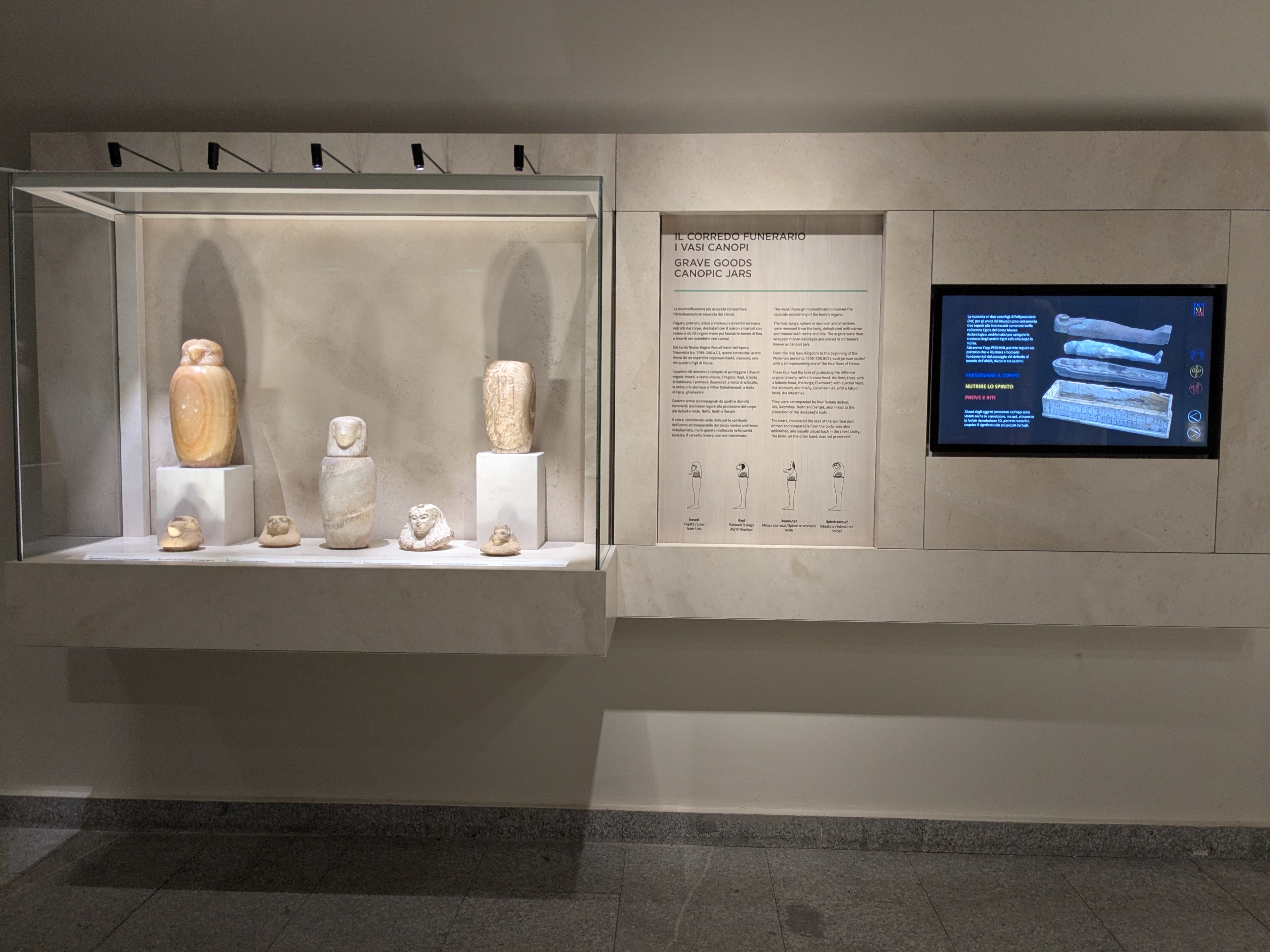
The app that tells the story of funerary rites at the Ancient Egypt Gallery
The app developed by the Department of Mechanical Engineering recounts, on an interactive screen installed in the Museum, the complex Egyptian funerary rites, with previously unseen images and detailed insights.

A sustainable future for lunar orbit
Dozens of missions are about to reach the Moon: a “waste sorting” system for their satellites is already needed today.

Studying drug safety in pregnancy: the PROTECT project
The safety of medications during pregnancy remains one of the most complex and least explored areas of medicine: PROTECT was created to fill this gap.