

MINERVA, the device that reproduces cellular models for advanced studies and personalized therapies


How can we study the complex relationship between our brains and gut bacterial flora without resorting to animal models? This is one of the questions that MINERVA, a technological device patented by the Politecnico di Milano that aims to revolutionize preclinical research, tries to answer. Thanks to an innovative design and multidisciplinary approach, MINERVA represents a unique device for simulating complex biological interactions and developing novel therapies for diseases that are still without effective treatments. Not surprisingly, this invention was chosen among the best Italian patents to be exhibited in the “Italy of Patents” exhibition, an opportunity to celebrate the ingenuity and impact of public research in our country.

How it started
The MINERVA device was created within the European frontier project with the same name, funded by the European Research Council (ERC) and led by Carmen Giordano, professor of Bioengineering at the Politecnico di Milano. The goal of the project was ambitious: to create a technological platform capable of replicating the molecular mechanisms that regulate the so-called “microbiota-gut-brain axis”. This two-way communication between the brain and the gut flora, known as microbiota, is crucial for our body’s functioning, but the details of its interactions still remain largely unknown.
“There is mounting evidence that an alteration of the gut microbiota, a condition known as dysbiosis, can cause alterations in brain function, contributing to diseases such as Alzheimer’s and Parkinson’s, but the cause-effect link has not yet been proven – explains Carmen Giordano –. Our project aimed to provide an engineered platform to help demonstrate such a link and detect the signal molecules involved.”
An interdisciplinary team worked at the Technobiology labs of the Politecnico, established specifically by Giordano, collaborating with Dr. Diego Albani of the Mario Negri Institute, expert in neurodegenerative diseases.

How it works
MINERVA is a compact and modular device, engineered and designed to culture different types of cells and bacteria under optimized conditions to reproduce the key parameters of the targeted biological systems . It is optically accessible with advanced microscopy techniques and can be interconnected to create multiorgan platforms. This approach allows to replicate molecular cross-talk between different biological systems, as it happens in our body.
Thanks to its versatility, the device can accommodate suspended cells to simulate the immune system, bidimensional cell cultures to model the gut epithelium or three-dimensional cultures that reproduce complex tissues such as the brain. “MINERVA, thanks to its design, can also be applied to other sectors – points out Giordano –. In the ERC “DIANA” project, we developed a multi-organ platform to simulate the dialogue between the blood brain barrier and the brain, valid for screening drugs for brain diseases.”
The device was also used in the ERC “PROMETEO” project to develop new probiotics in the industrial setting, demonstrating its potential in nutraceutical research and personalised medicine.

The exhibition “Italy of Patents: Successful Inventions and Innovations”, organized by the Ministry of Enterprise and Made in Italy (MIMIT)
From idea to patent
Patent protection has been a central element in ensuring the protection and value of the MINERVA device. With the support of the Technology Transfer Office of the Politecnico di Milano, the patent highlighted the innovative features of the device, such as the ability to simulate complex and customizable multiorgan scenarios.
The device was validated in two major industrial environments, one in the pharmaceutical field and one in the probiotic field. Several options are currently being explored to bring it to market, such as the creation of a start-up or the licensing to interested companies.
MINERVA has also received an important recognition in the Italian innovation landscape. The patented device was selected to be included in the exhibition “Italy of Patents: Successful Inventions and Innovations”, organized by the Ministry of Enterprise and Made in Italy (MIMIT). The event, which brings together about 100 patents from all over the country, aims to enhance inventive activity and the key role of public research in supporting the complexity of technological innovation processes. The device was chosen as a finalist in the Intellectual Property Award 2023 competition, promoted by MIMIT in collaboration with UIBM, Netval and Invitalia, to reward the best patents in public research and encourage their exploitation.

The MINERVA research team
Applications and benefits
The modularity and versatility of the MINERVA device allow it to be adapted to different scientific and industrial contexts. MINERVA has already been used to simulate the interaction between gut microbiota, immune system and brain, but its potential goes beyond.
In the “PEGASO” project, for example, a liver model was integrated to study new drugs for Alzheimer’s disease patients. “Providing users with technologically advanced devices, which are compact and easy to use at the same time, is the winning strategy – says Giordano –. MINERVA enables complex biological scenarios to be represented, reducing the use of animal models and improving the efficiency of preclinical testing.”
Prospects include applications in areas such as cosmetics and toxicology, where analysing molecular interactions accurately and reliably is crucial. With MINERVA, preclinical research takes a step towards more sustainable and effective science.
Related stories

From waste to value: CELLS research among silk, sustainability and nanofibres

The laboratory where fabrics become building materials
At the Textiles Hub, experimentation, design and technology rethink the way we build

Inside the World of Graphene: A Conversation with Nobel Laureate Konstantin Novoselov
A journey through discoveries, intuition, and groundbreaking applications

From micro to macro: the laboratory studying surfaces immersed in the future
Discovering SoLINano Σigma, that combines physics, chemistry, engineering and architecture

Moisture: the enemy of composite materials. But now there’s a patented sensor.
Monitoring safety and durability of structures in extreme environmental conditions
You might also like
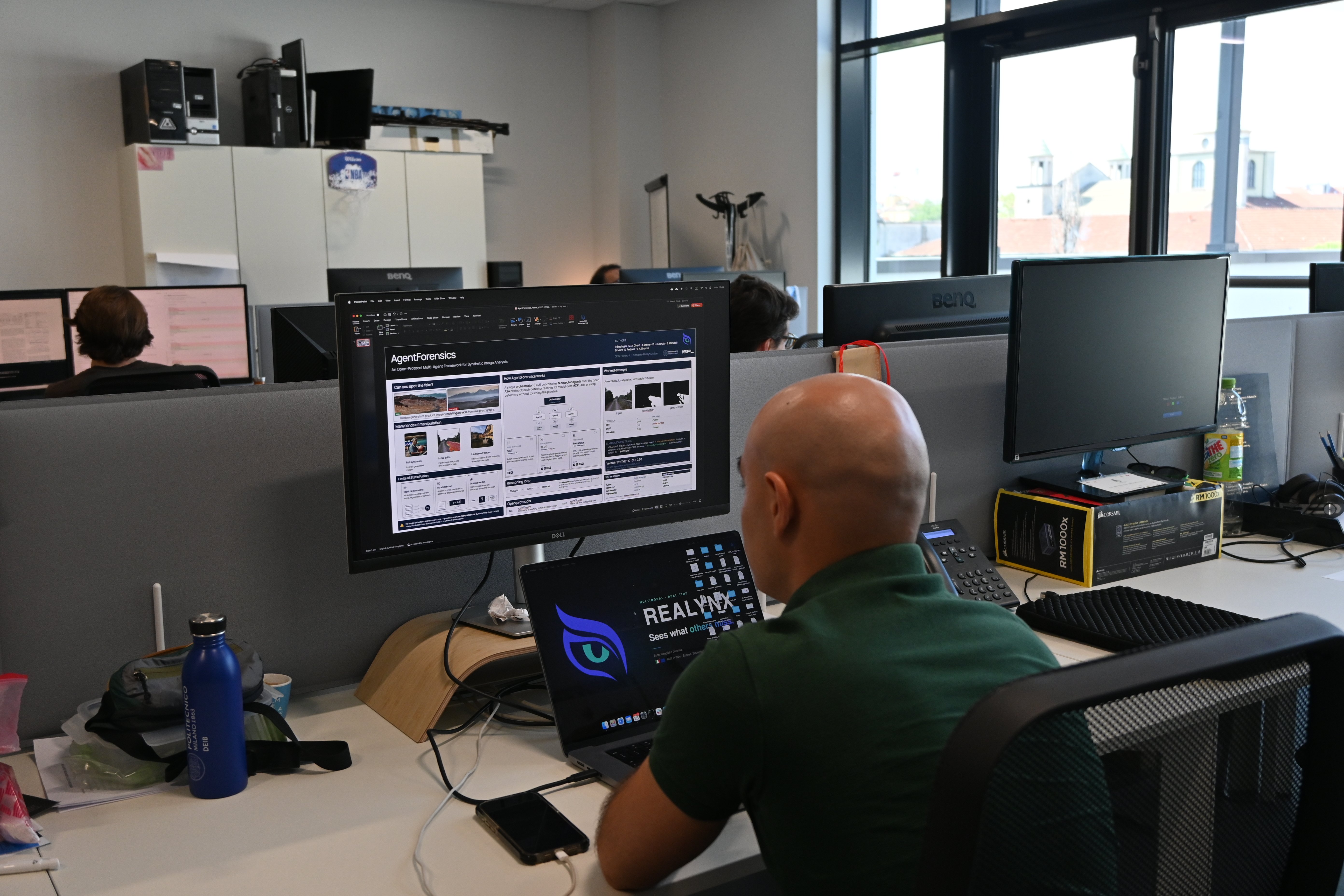
Beyond true and false: recognising synthetic content in the age of AI
From cloned voices to deepfakes, the challenge is no longer just to distinguish what is true from what is false, but to understand how content has been produced, transformed and used.
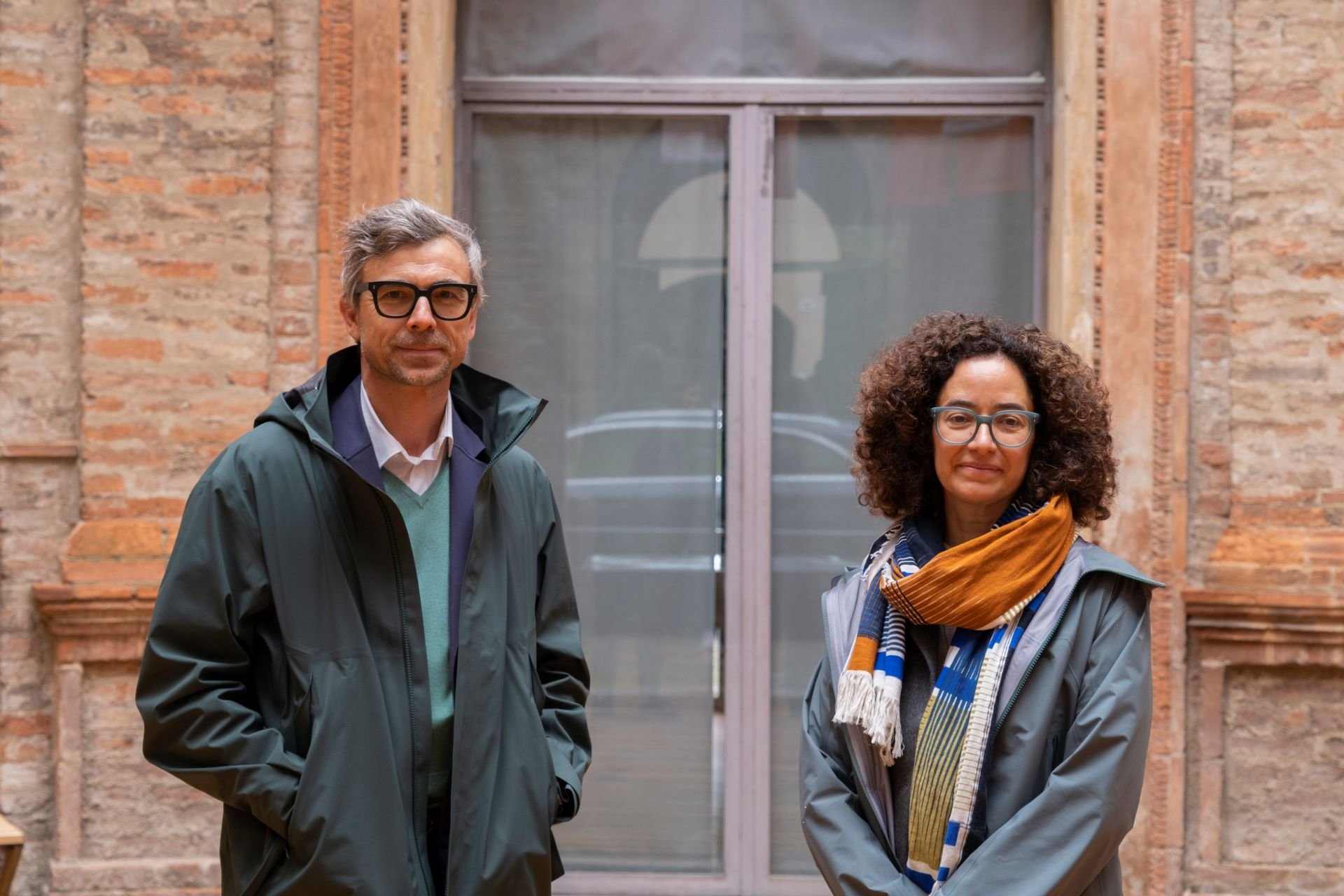
Building in Balance
Matteo Scagnol and Sandy Attia of MoDus Architects discuss an architecture shaped by the tension between landscape and infrastructure, rules and freedom, materials and climate change.

Who owns Milan? Map reveals forces reshaping the city
The financialization of the real estate market and its effects on urban development dynamics

Technology in the desert: how to map in 3D Egyptian and Roman excavations using photogrammetry
An interview with Alessandro Mandelli, a veteran for Politecnico di Milano's excavations in Egypt

Reading Maps: The Taste of Discovery
Jessica Gritti discusses the research on the Maps section of the Civica Raccolta delle Stampe “Achille Bertarelli”: from cataloguing and new international connections to the value of collaboration between universities and cultural institutions.