

#IlPOLIMIrisponde – What are the new plant-based polymers and how do they work?

The idea of making artifacts from plants is an idea as old as humanity, but it has developed technologically only during the last century.
The direct approach of extracting biopolymers from biomass has been overcome by technological efforts related to chemical synthesis processes, to which fundamental figures such as Giulio Natta, professor at the Politecnico di Milano, inventor of polypropylene and the only Nobel Prize for chemistry in Italy, have contributed.
Monomers, the repeating units that sequentially form polymeric materials, have long been synthesized from fossil sources. However, a second strategy has emerged, based on the idea of their extraction from plants, leading to biopolymeric materials fully equivalent to conventional polymeric materials.
A technology that also opens the field to the creation of completely new materials, based on some specific properties, such as the possibility of degrading in a controlled way in a controlled environment.
The challenges posed by these new materials are mainly two: the management of their end of life through recycling and the need that not even one hectare of land should be removed from the production and distribution of healthy, fair and equitable food to a population that is growing in the world.
A subject introduced by Luigi De Nardo, professor of Chemical Engineering, who works on such technologies together with the researchers of the Politecnico di Milano.
You might also like

Architecture is not architecture: Ma Yansong's lecture
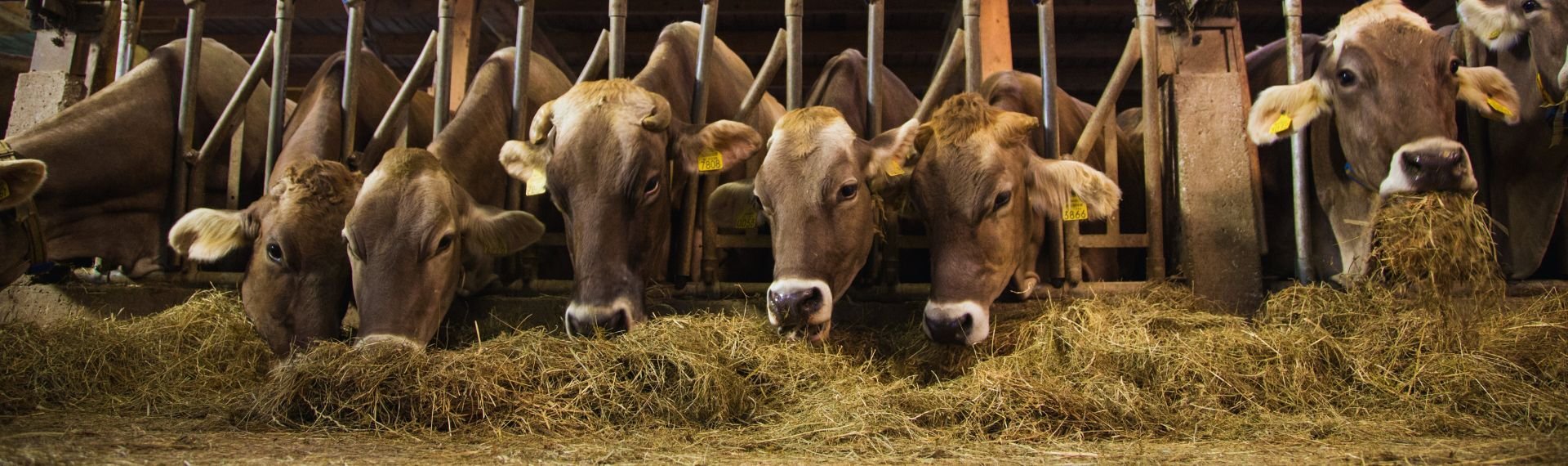
A robot in the barn: automating feeding on farms
Promoting technological innovation to support farms
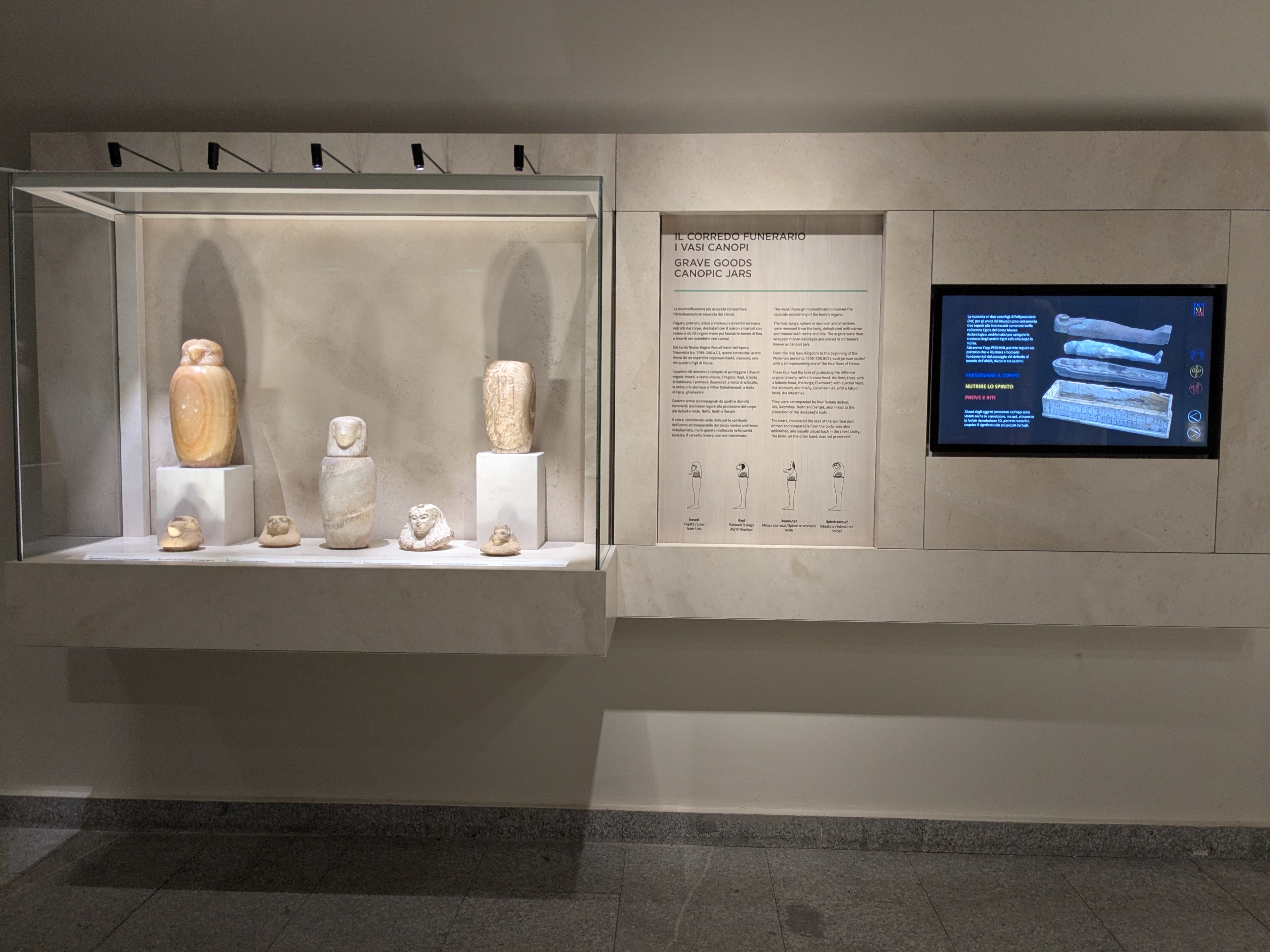
The app that tells the story of funerary rites at the Ancient Egypt Gallery
The app developed by the Department of Mechanical Engineering recounts, on an interactive screen installed in the Museum, the complex Egyptian funerary rites, with previously unseen images and detailed insights.

A sustainable future for lunar orbit
Dozens of missions are about to reach the Moon: a “waste sorting” system for their satellites is already needed today.

Studying drug safety in pregnancy: the PROTECT project
The safety of medications during pregnancy remains one of the most complex and least explored areas of medicine: PROTECT was created to fill this gap.