

#IlPOLIMIRisponde: How does the satellite navigator work?


The satellite navigator is a tool that uses satellite positioning systems, such as GPS and the sensors installed in the device on which it is used, to correlate the user’s position with the digital cartography of the territory.
So, its purpose is to select, indicate the routes between a starting point and a destination point and then provide the user with useful information during the way.
How do the modern satellite navigators that we find installed today in our smartphones, smartwatches and vehicle infotainment systems work?
Daniele Oxoli, professor of Territorial Information Systems, explains it to us in this video.
Related stories
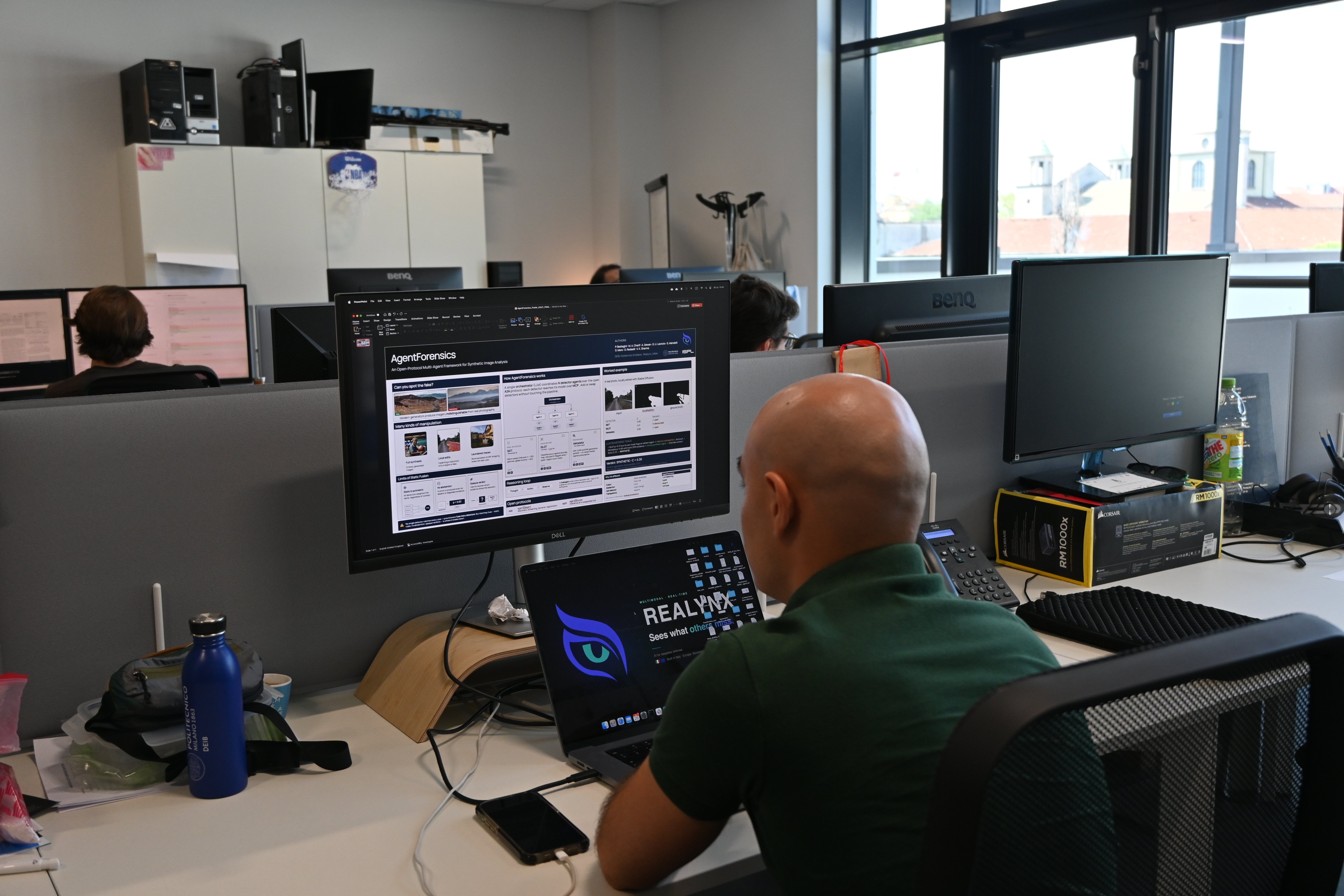
Beyond true and false: recognising synthetic content in the age of AI
From cloned voices to deepfakes, the challenge is no longer just to distinguish what is true from what is false, but to understand how content has been produced, transformed and used.

Light can perform calculations: photonics and electronics are changing the way data is processed
To make artificial intelligence faster and more sustainable, the future may lie in light. Francesco Morichetti and Francesco Zanetto explain the decisive role of photonic chips in addressing the challenges posed by the growth of data.

Human Creativity and Generative Artificial Intelligence. How Imagination and Algorithms Come Together.
When imagination becomes a hybrid process, between prompts, the model's "personality" and critical thinking.
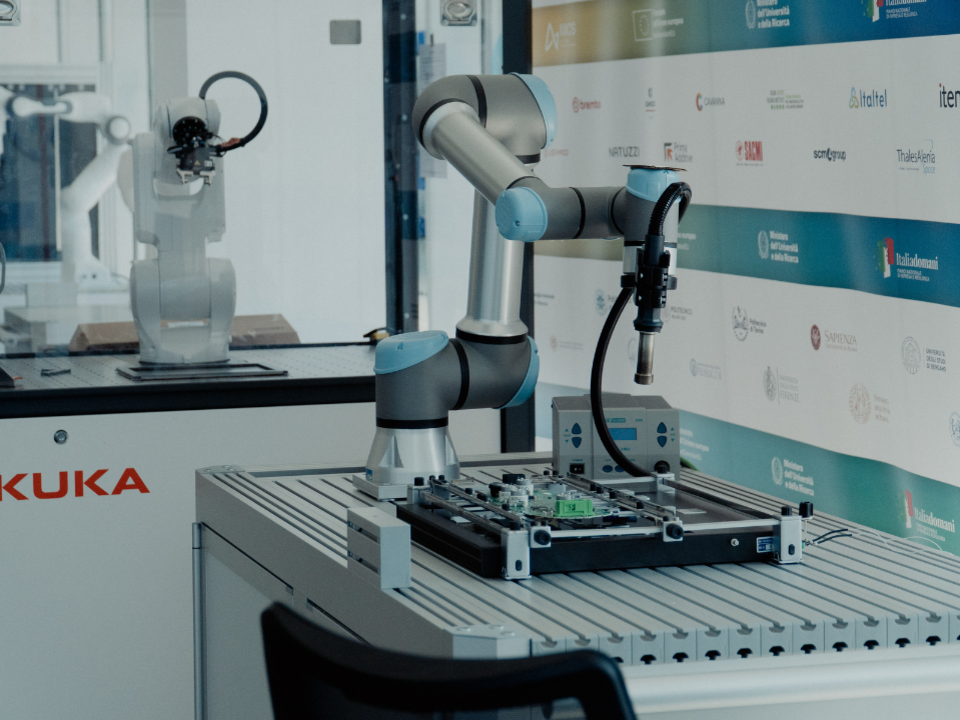
Inside the Marco Garetti Laboratory, where technology and humans meet
The “miniature” factory designed to observe, simulate, and experiment.

Technology, Inclusion and the Future: a conversation with Darya Majidi
A dialogue on the role of AI, women’s empowerment and the Human Tech project at Politecnico di Milano
You might also like
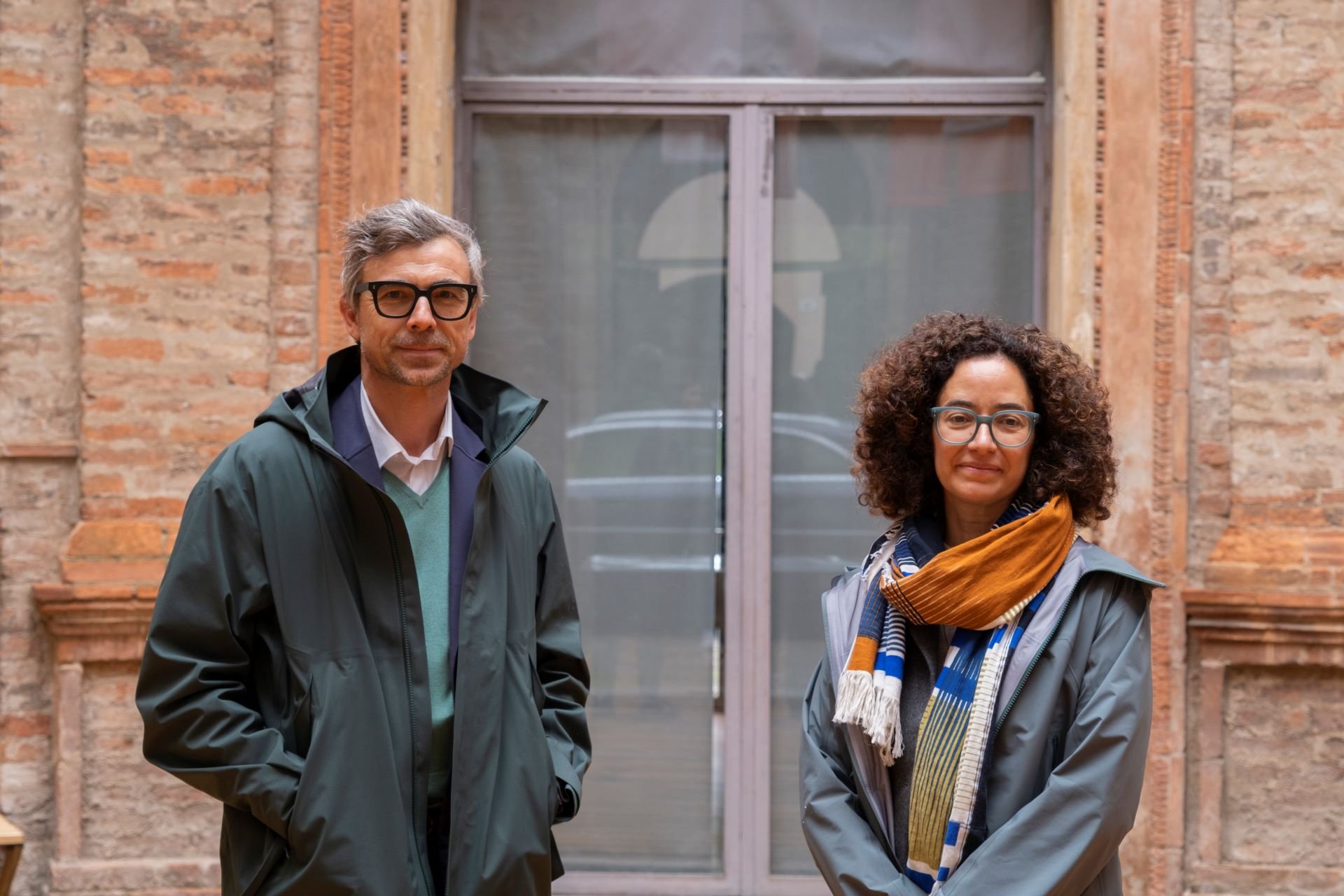
Building in Balance
Matteo Scagnol and Sandy Attia of MoDus Architects discuss an architecture shaped by the tension between landscape and infrastructure, rules and freedom, materials and climate change.

Who owns Milan? Map reveals forces reshaping the city
The financialization of the real estate market and its effects on urban development dynamics

Reading Maps: The Taste of Discovery
Jessica Gritti discusses the research on the Maps section of the Civica Raccolta delle Stampe “Achille Bertarelli”: from cataloguing and new international connections to the value of collaboration between universities and cultural institutions.

Geopolitical instability, health crises: the risks in the pharmaceutical supply chain, and how to manage them

From circuit to laboratory
The collaboration with the Politecnico as seen by Autodromo Nazionale Monza