

Gio Ponti and Politecnico

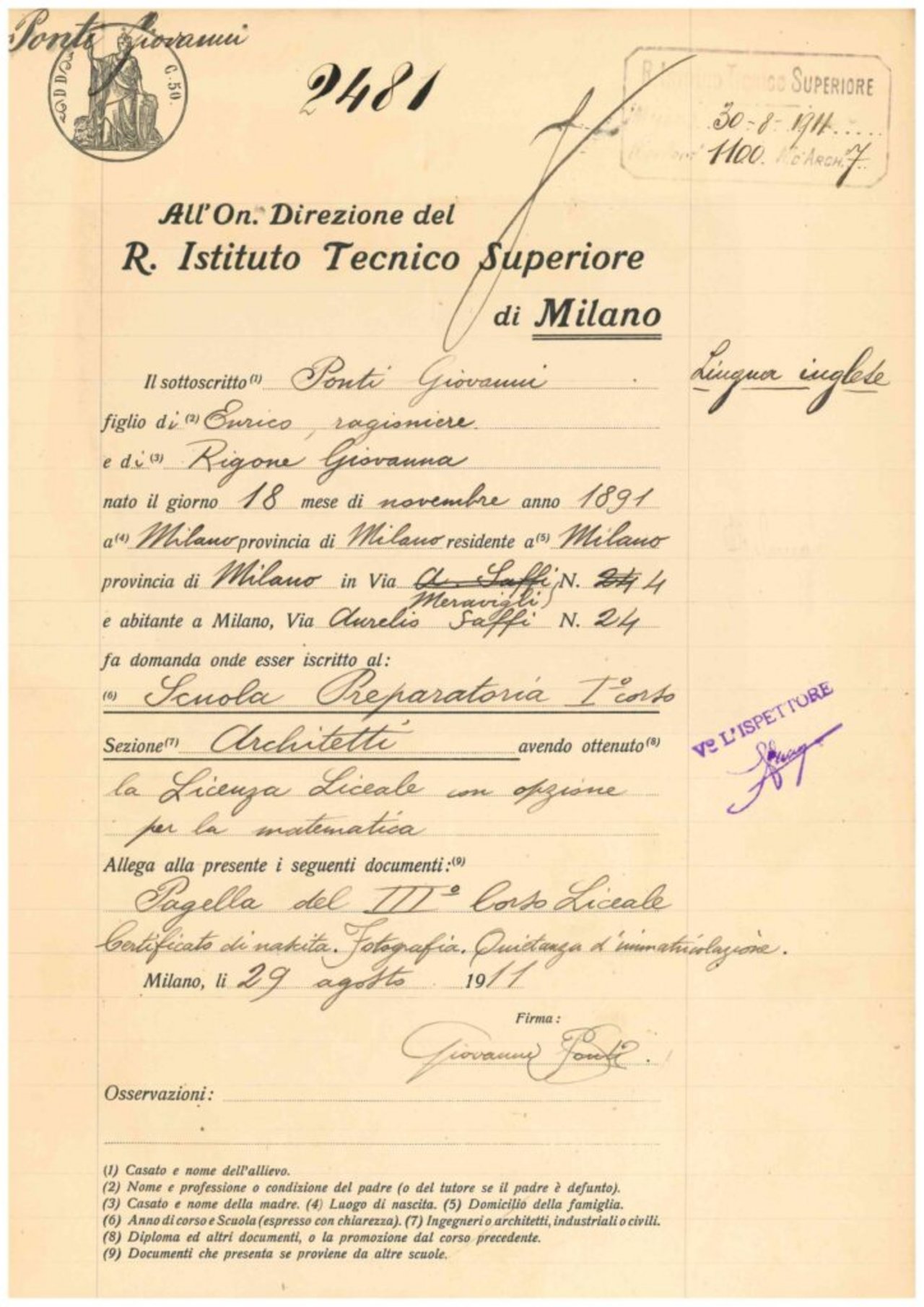
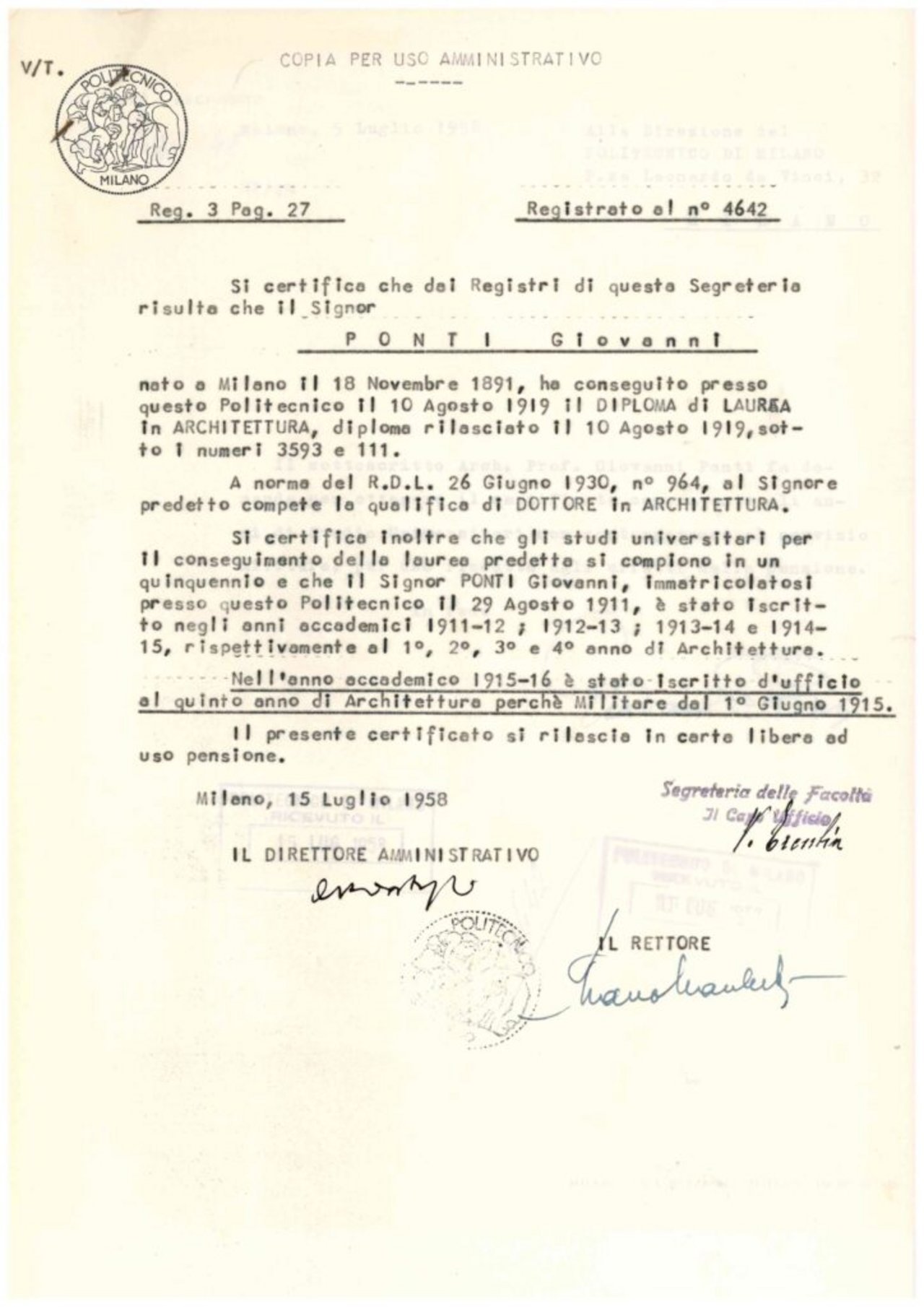
Architect, painter and designer. For many, these are the main activities in the professional life of Giovanni Ponti, known simply as Gio Ponti. But in addition to these activities, he also worked as a professor. Ponti taught for a long time at the Faculty of Architecture of Politecnico di Milano, which he had previously attended as a student in 1913, and from which he graduated in 1919, after serving in the military during the First World War.
Ponti’s first studio in Milan was opened in 1927 with architect Emilio Lancia. In 1928, he founded and directed the magazine ‘Domus’ with Gianni Mazzocchi, which became his tool for disseminating new design ideas in architecture. In the 1930s, he became affiliated with the engineers Fornaroli and Soncini and moved towards rationalism, as evidenced by some of his most important works of the period, such as the Torre Littoria (1932-33) in Parco Sempione, Casa Marmont (1934-36) and the first Palazzo Montecatini (1936-38) in Via della Moscova.
Ponti’s participation in the Milan Triennale began in 1930. In 1931, he began working with Luigi Fontana, later renamed Fontana Arte and became its artistic director. He also collaborated with Antonio Fornaroli and Eugenio Soncini from 1933 to 1945, creating important designs and works, including school complexes, offices and residential buildings.
In 1941, Ponti founded the magazine ‘Stile’ for the Garzanti publishing house, which he directed until 1947, promoting his agenda to broadcast artistic and architectural culture to form an “unprecedented culture of living”. Ponti’s design philosophy was characterised by the search for a balance between functionality and formal elegance in his furniture.
In 1952, architect Rosselli joined his firm, thereby creating the Ponti, Fornaroli, Rosselli studio. These were the years of reconstruction and Ponti left a considerable mark on Milan, with buildings such as the Pirelli Skyscraper (1956-60), now the seat of the Regione Lombardia Council, the Assolombarda headquarters in Via Pantano (1958) and the Istituto Nazionale delle Assicurazioni building in Via San Paolo (1963-67).
In design, he collaborated with some of the most important companies in the industry. Symbolic of this collaboration was the ‘699 La Superleggera’ chair of 1957, a reinterpretation of one of the symbols of Ligurian craftsmanship, the Chiavari chair. In 1949, Ponti made the first of two prototypes; the upper part of the backrest was bent backwards, a slightly modern twist on the inspirational model.
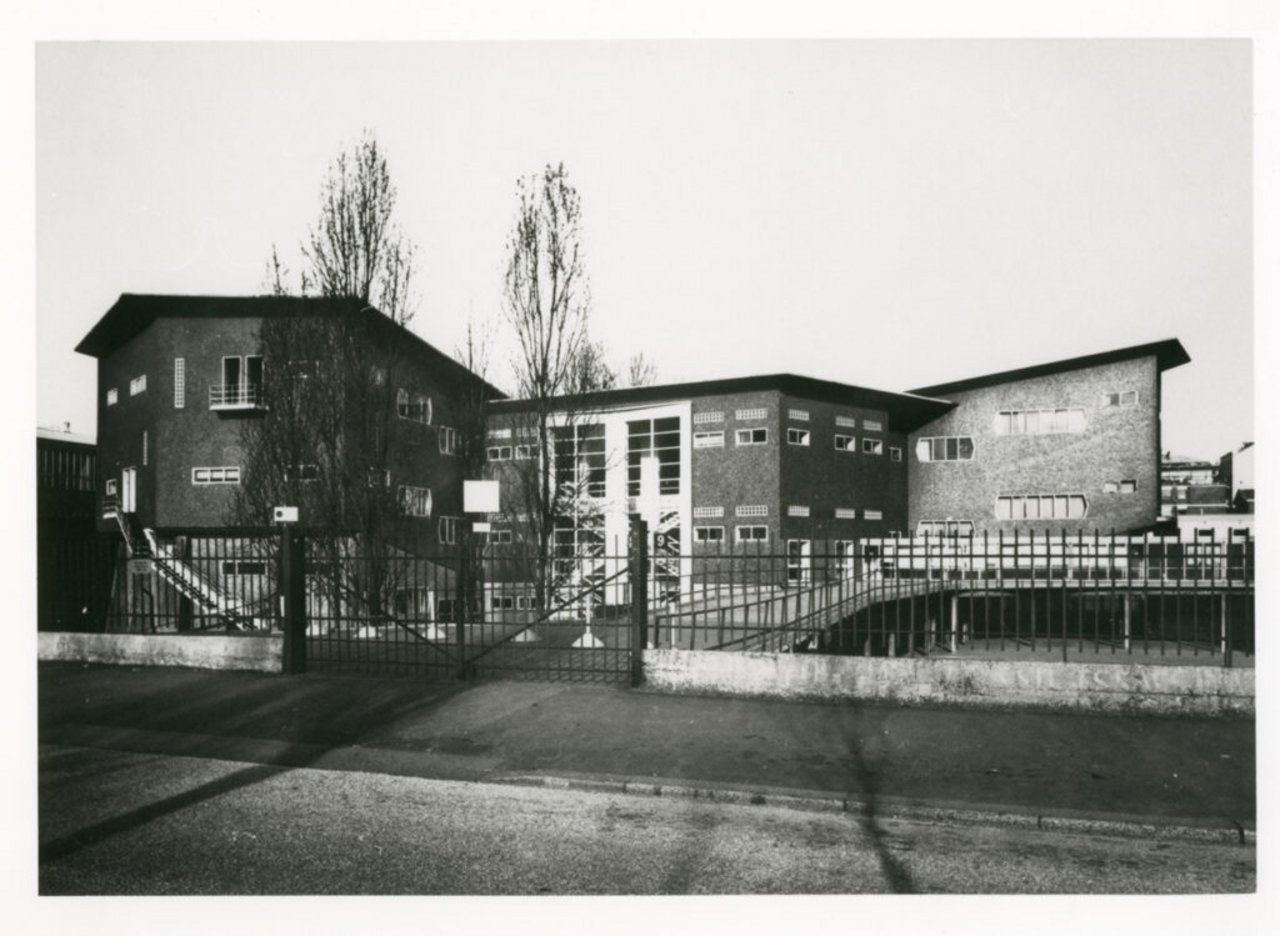
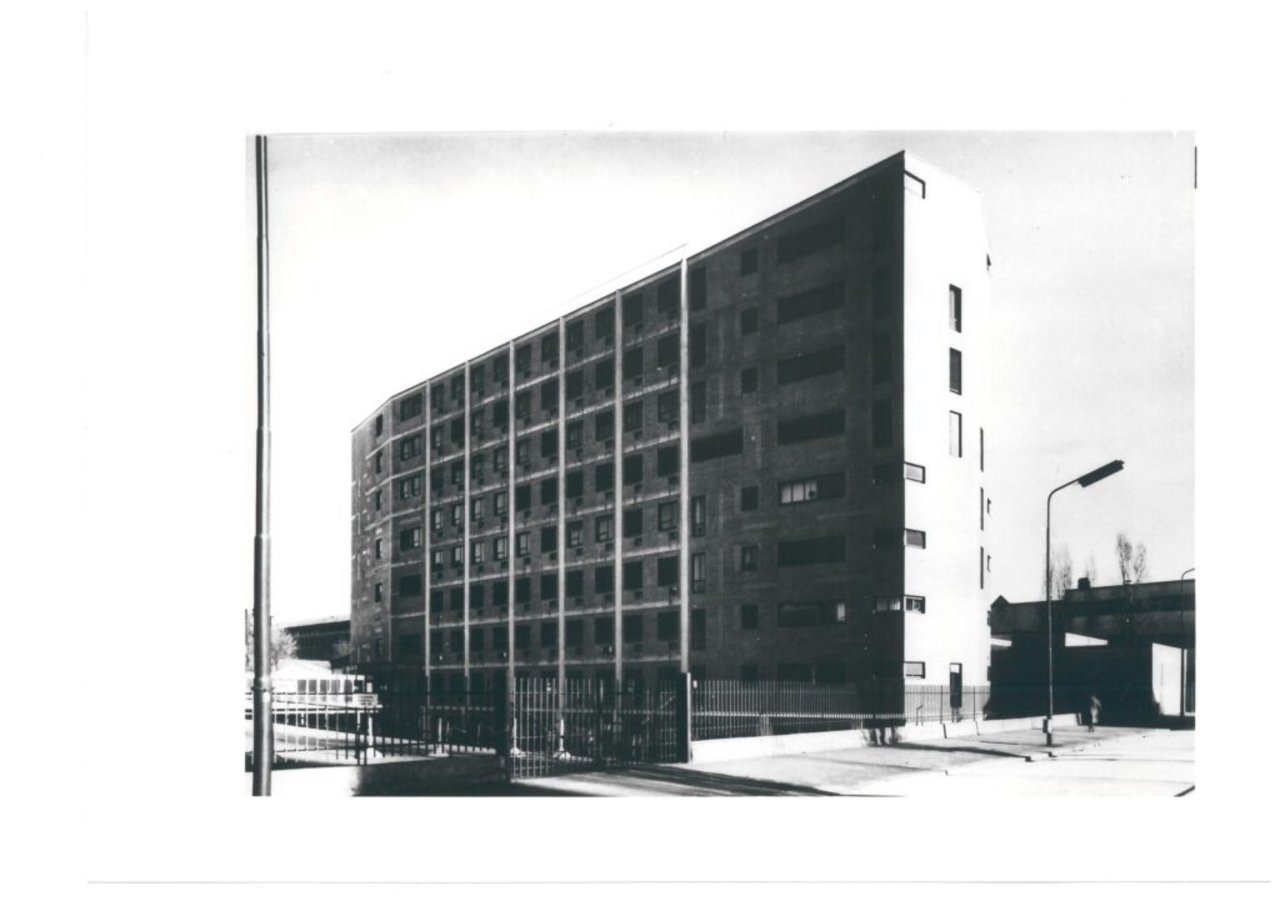
In 1953, Gio Ponti’s work became even more closely linked to Politecnico di Milano. City Planning allocated many new spaces to Politecnico, keeping them from the growing city. The most significant event, which again highlighted the strong contrasts underlying the nature and life of Politecnico’s urban sites, related to its largest expansion, with the construction of the Architecture buildings. Due to the need to build new headquarters in suitable and more spacious areas, the land was identified beyond Via Bonardi and Pietro Portaluppi was entrusted with drafting the first urban design, later created with Gio Ponti’s contribution: specifically, the ‘Trifoglio’ and the ‘Nave’ buildings.
You might also like

Geopolitical instability, health crises: the risks in the pharmaceutical supply chain, and how to manage them

From circuit to laboratory
The collaboration with the Politecnico as seen by Autodromo Nazionale Monza

Research Takes to the Track at Monza
The agreement between Politecnico di Milano and the Monza National Circuit creates an open-air laboratory for safety, sustainability, materials, mobility and major events.

Digital sovereignty: why regulating AI is not enough
Interview with Roberto Baldoni, Senior Advisor for Technology and Cybersecurity Policy to the Ambassador of Italy to the United States
