

Architect of Innovation: A Conversation with Svafa Grönfeldt


From Iceland to MIT, from biotech to design-driven entrepreneurship, Professor Svafa Grönfeldt has built a career on transformation. In this interview with Frontiere, she shares her journey, her philosophy, and her vision for the future of innovation

You’ve had a remarkable journey through academia, entrepreneurship, and leadership. What first sparked your interest in combining design, innovation, and business?
That’s a great question—and a big one! I’m originally from Iceland, born and raised. Like many Icelanders, I pursued part of my education abroad. I completed my undergraduate degree in Iceland, my master’s in the U.S., and my PhD in London. So I’m a bit of a cocktail of influences.
Interestingly, none of that had anything to do with design. But all my life, I had planned to become an architect. I always thought I’d find the time to pursue it. Life, however, had other plans. I was offered the chance to help build a company, and although I didn’t see myself as an entrepreneur at the time, that opportunity launched a lifelong career in entrepreneurship.
That first company grew to operate in 70 countries. Once you’ve experienced that kind of impact, it’s hard to go back. It’s incredibly demanding—you need steady nerves—but it’s also a unique chance to make a real difference in the world.
After that success, what brought you back to Iceland and into academia?
About the same time we were selling the first company, I received a call inviting me to return to Iceland to help merge a couple of local collages, transform them into a research university and build a brand-new campus. That was right up my alley—my PhD is in organizational development and I had constantly been merging and integrating companies in my previous role.
It was also a personal decision. I was constantly traveling, and I felt like I was watching my kids grow up before my eyes. Moving back to Iceland gave us the chance to be together as a family.
The role of university president/rector was the most challenging job I’ve ever had—but also the most rewarding. It allowed me to apply everything I had learned and to keep learning. I worked with an incredible team at Reykjavik University.
How did your collaboration with MIT begin?
When I started at the university, I didn’t want to have an office—I haven’t had one in 25 years! I was sitting in the university’s coffee shop with our newly hired Dean of Engineering. Our task was to build a new engineering school and we realized we might need some help. He was an MIT graduate, and suggested we reach out to MIT. They’re known for sharing knowledge and supporting other institutions. That visit to MIT was my first, and it was transformative. They helped us build stellar programs—something we couldn’t have done without them.
What led you back to industry?
After we had completed the campus, integrating the processes and systems of the colleges, and building two new additional schools and programs, my former colleagues called me in to help build another company. I’ve never seen myself as a long-term academic—I’m a builder. I love creating things and synthesizing different perspectives into something new.
So I returned to industry and helped build a second global company, which took about eight years. Then, just as we were selling it off , I got a call from MIT.
What was the opportunity MIT offered you?
They asked if I wanted to help create a new program. Around that time, I had turned 50 and finally pursued my dream of studying architecture. I enrolled in Harvard’s Design Discovery program—a short intense experience. I was surrounded by 23-year-olds choosing their master’s programs, and I loved every second of it.
That experience made me realize I had been an architect all along—not of buildings, but of systems, services, and experiences. I kept taking architecture classes and became, as I like to say, a half-baked architect.
What convinced you to join MIT and lead the DesignX program?
Dennis Frenchman, the founder of the program and a long-time architecture professor, convinced me in 10 minutes. He wanted to create a program that gave students the tools to act on their ideas right after graduation —and not having to wait for years as they built their corporate careers.
MIT calls me a venture designer. That’s why I got the call—they were looking for someone who had built companies for a living and had a passion for design and education and could help students transform their ideas to action.


What is the DesignX program, and what impact has it had?
DesignX is a student-driven program that supports graduate students coming out of MIT labs and studios. They might have a new technology or scientific discovery, or simply a desire to make an impact—but they don’t know where to start.
We give them the tools to execute. I co-lead the program with amazing colleagues. We pair faculty directors with executive directors who manage day-to-day operations and keep everything running smoothly.
Over the past 10 years, we’ve helped launch numerous startups and solutions. Our alumni now serve over 100 million people, have raised hundreds of millions of dollars, and created nearly 2,000 jobs. And they were students just a few years ago!
How does design fit into this entrepreneurial approach?
DesignX is a student-driven program that supports graduate students coming out of MIT labs and studios. They might have a new technology or scientific discovery, or simply a desire to make an impact—but they don’t know where to start.
We give them the tools to execute. I co-lead the program with amazing colleagues. We pair faculty directors with executive directors who manage day-to-day operations and keep everything running smoothly.
Over the past 10 years, we’ve helped launch numerous startups and solutions. Our alumni now serve over 100 million people, have raised hundreds of millions of dollars, and created nearly 2,000 jobs. And they were students just a few years ago!
You’re now collaborating with Politecnico di Milano. What were your expectations for this partnership?
Italy is known for design—there’s no better place on the planet. MIT is known for innovation and tech. When we first connected with Politecnico through Francesco Zurlo, it felt like a natural match between our two schools.
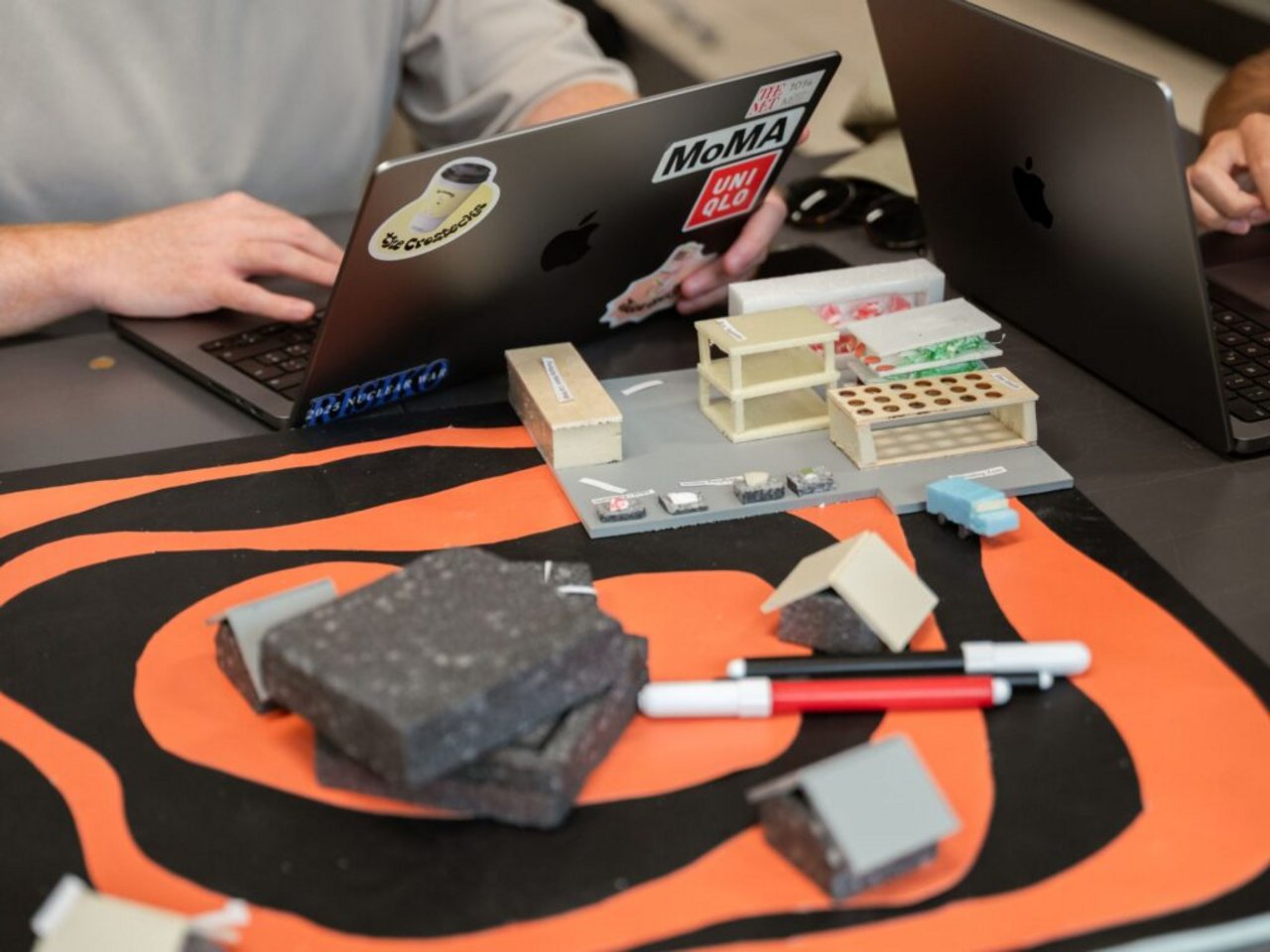
We started last year with a 24-hour transatlantic hackathon with students from both institutions working together on both campuses and connecting via Zoom to co-create design-based solutions. It went so well that we decided to try a full week together this summer. We are now co-creating a new methodology that blends MIT’s innovation and venture design curriculum with Politecnico’s design excellence, forming the basis of a new joint course at the School of Design at Politecnico di Milano.
What’s next for this collaboration?
We plan to continue to build together. We’re going to analyze a large dataset we’ve collected at MIT over the last 8 years to understand how founders use design, and which elements contribute to their success. Together with Gianluca Carella and the fantastic Polimi team, we hope to develop new insights and methods that we can share through publications.
You might also like

A robot in the barn: automating feeding on farms
Promoting technological innovation to support farms

Building the future, layer by layer
From intelligent 3D printing to bioprinting, Bianca Maria Colosimo talks about the technology that brings together data, space, and life sciences.
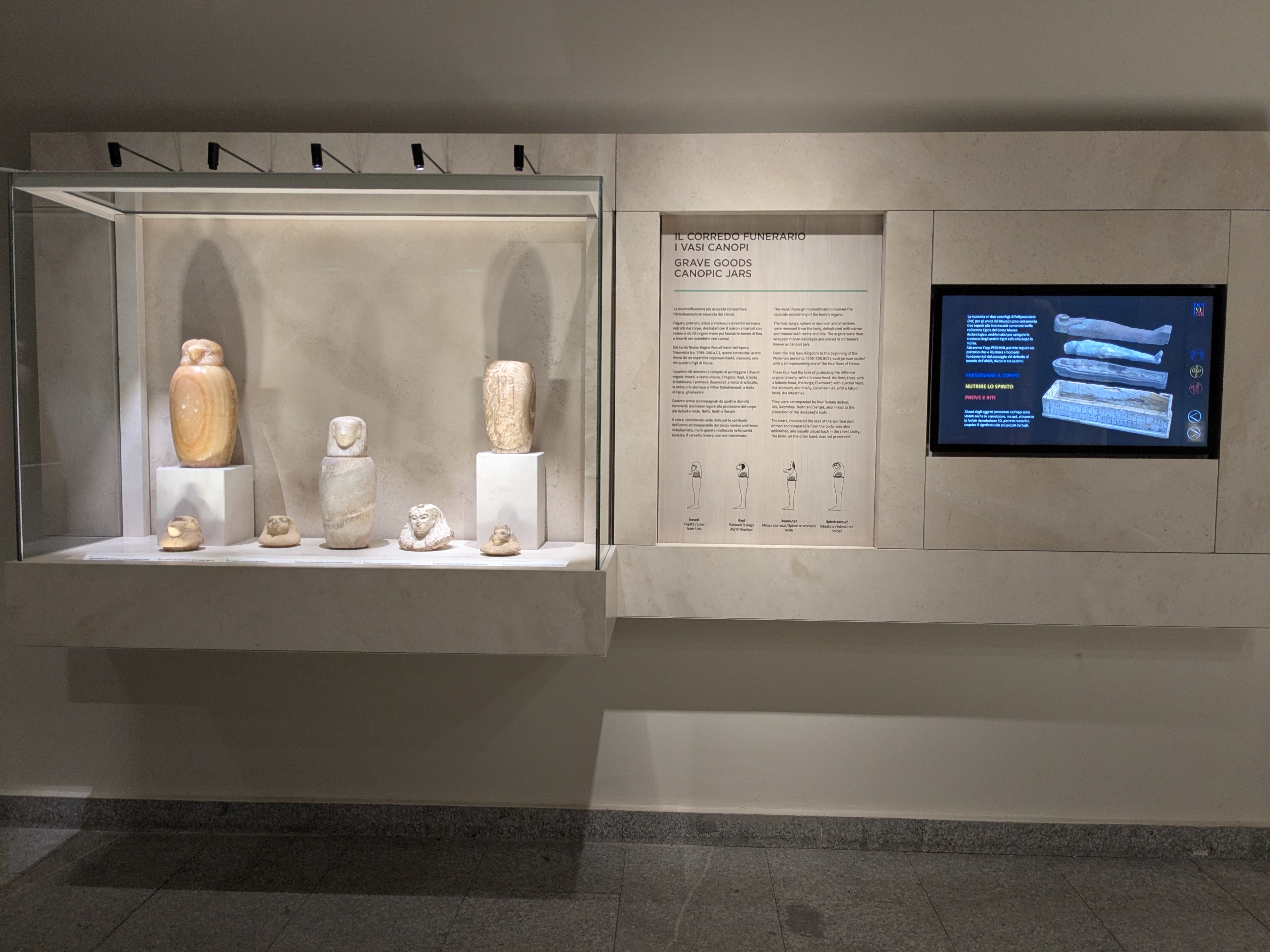
The app that tells the story of funerary rites at the Ancient Egypt Gallery
The app developed by the Department of Mechanical Engineering recounts, on an interactive screen installed in the Museum, the complex Egyptian funerary rites, with previously unseen images and detailed insights.

Who do we imagine when we think of scientists?
How gender stereotypes and status differences shape the public image of science

A sustainable future for lunar orbit
Dozens of missions are about to reach the Moon: a “waste sorting” system for their satellites is already needed today.