

How to detect structural damage after an earthquake with fibre optic


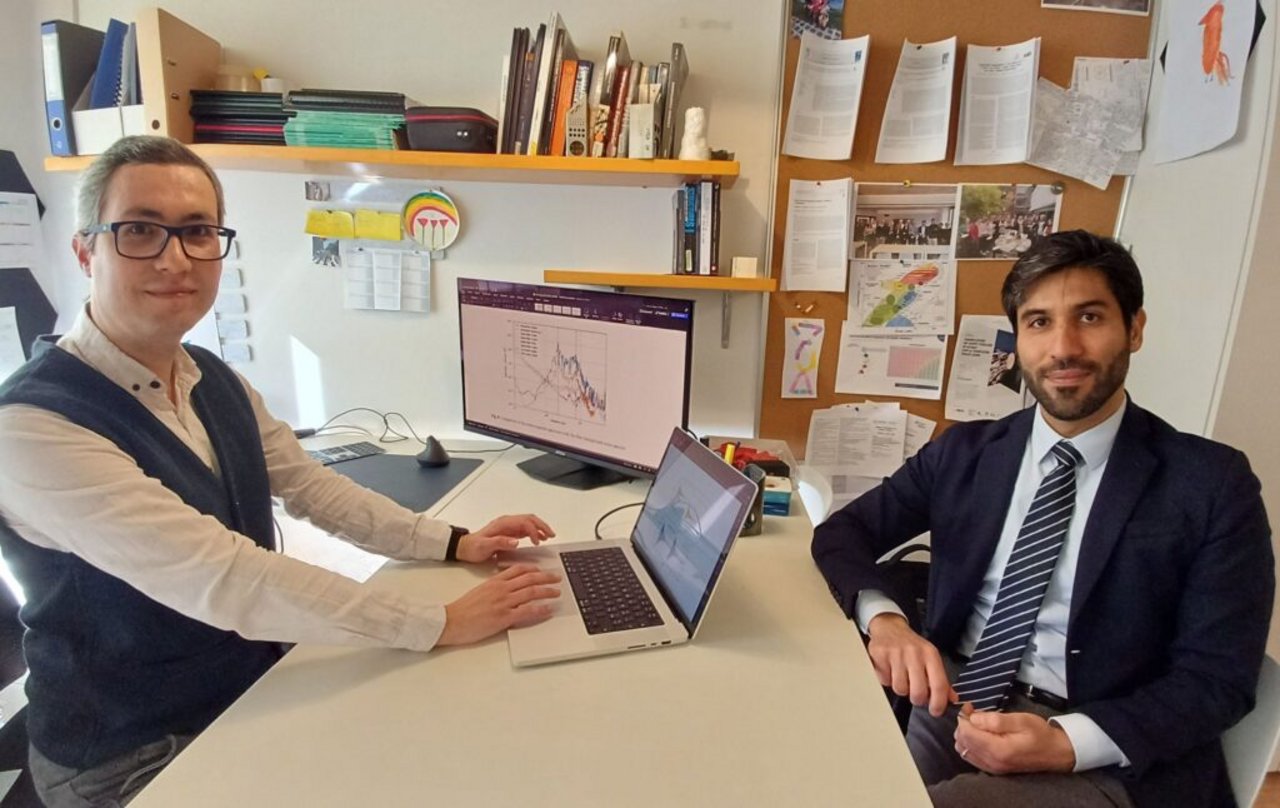
One of the crucial things to do after an earthquake, is to make sure that buildings that are still standing are safe, or not. It’s vital for people to know whether they’re able to go back home without risking their lives, but it can be difficult to assess the real state of a house. Here’s where the FORESIGHT project steps in, with its revolutionary use of the already existing fibre optic networks for the Internet, to monitor the safety of buildings. The research is led by Politecnico di Milano and carried out together with INRiM – the National Metrology Institute of Italy and INGV – the National Institute of Geophysics and Volcanology.
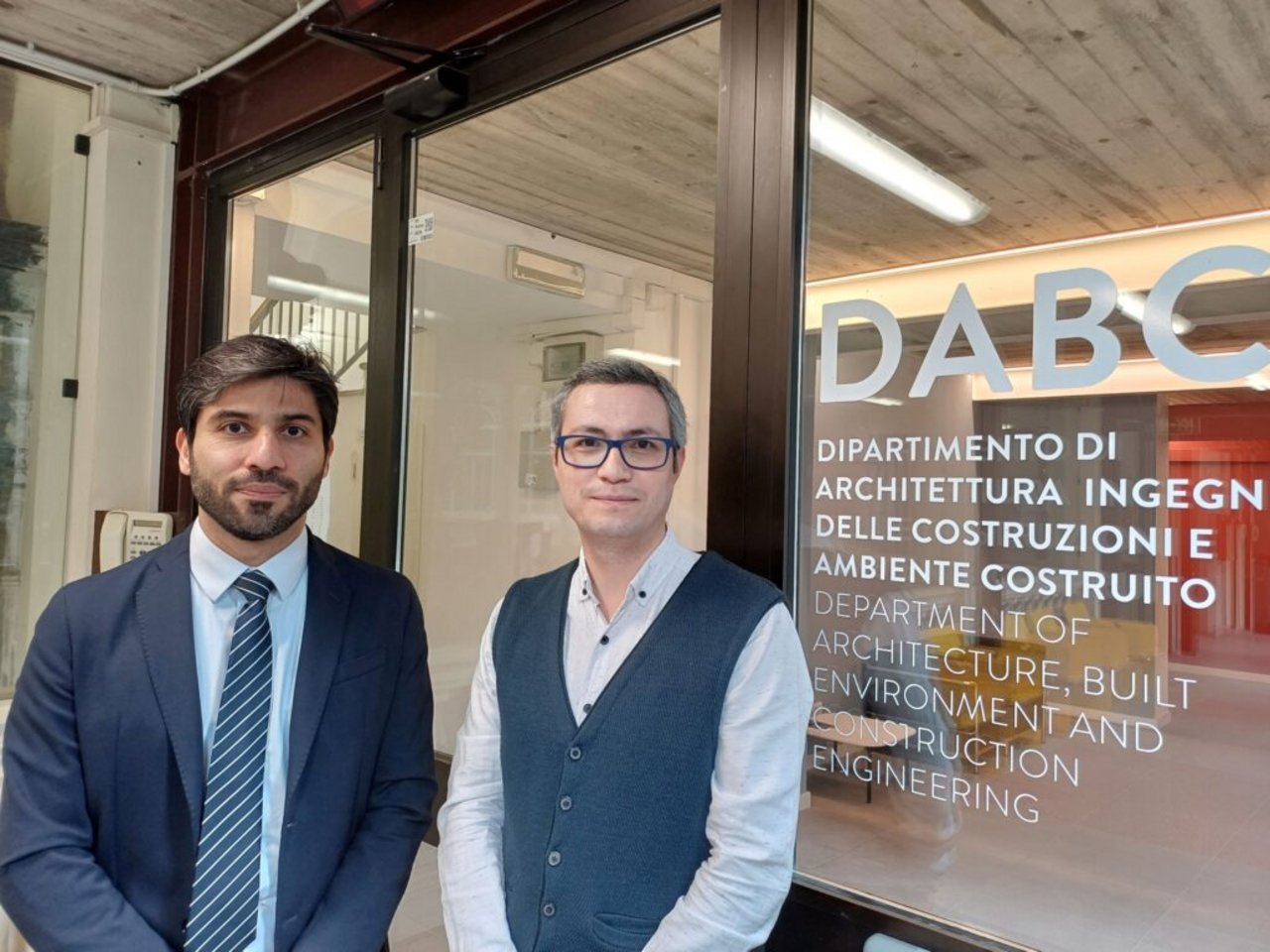
By employing interferometry techniques, the multidisciplinary team uses fibre-optic signals to gather information and then converts it into predictive data relative to the structures: this gives them a chance to forecast the extent of potential damage even before any visible signs appear, providing vital clues for emergency response teams. This system could offer an alternative cost-effective solution, 90% faster than current methods, up to 50% cheaper and fully scalable. We talked about it with Professor Alper Kanyilmaz, Foresight project supervisor, and post-doc researcher Hasan Ceylan, both based at DABC – Department of Architecture, Built Environment and Construction Engineering at the Politecnico di Milano.
How did you come up with the idea of using optic fibre for this purpose?
Alper Kanyilmaz: The idea actually came up during a discussion with our colleagues from INRiM, who had been working on laser-based fibre optic technologies for seismic monitoring and early earthquake warning. It was interesting to hear from them that these systems, using optical fibres and interferometry, were capable of detecting even the tiniest ground vibrations with incredible sensitivity. Their goal has been to better understand seismic activity and eventually contribute to early warning systems. Then we found ourselves asking, “If this technology is so sensitive, why limit it to just ground motion detection? Why not try applying it directly to buildings?”. Those questions sparked a moment of excitement for us. So, we decided to explore together if the FO technology could be adapted for structural health monitoring (SHM) of buildings to see their state after earthquake events. We submitted a MSCA-PF proposal to start studying this idea, and this is how our post-doc Hasan Ceylan joined our team to study this topic.
Hasan Ceylan: That’s when I joined the team as a postdoctoral researcher through a Marie Skłodowska-Curie Fellowship, working under the supervision of Prof. Kanyilmaz. My background is in Structural Engineering and Bayesian statistics, especially in combining physical structural models with uncertainty analysis. In this project, my role is to help interpret the raw data from the optical fibers and turn it into meaningful information about a building’s condition, especially after earthquakes.
You’re specialized in structural engineering: what’s your specifical task within the Foresight project?
H. C.: My main role is to connect the world of civil engineering with fiber optic technology. I focus on understanding how buildings and other structures behave, how they move, and how they get damaged, especially during events like earthquakes. In the project, I use that knowledge to design experiments and simulations that help us see how well the fiber optic system can detect changes or damage in a structure. Basically, I help make sure that the signals we get from the fibers actually tell us something useful about the safety and condition of a building. It’s like translating the “language” of a structure into signals we can understand and use for early warnings or damage checks.
Have you already carried out field tests?
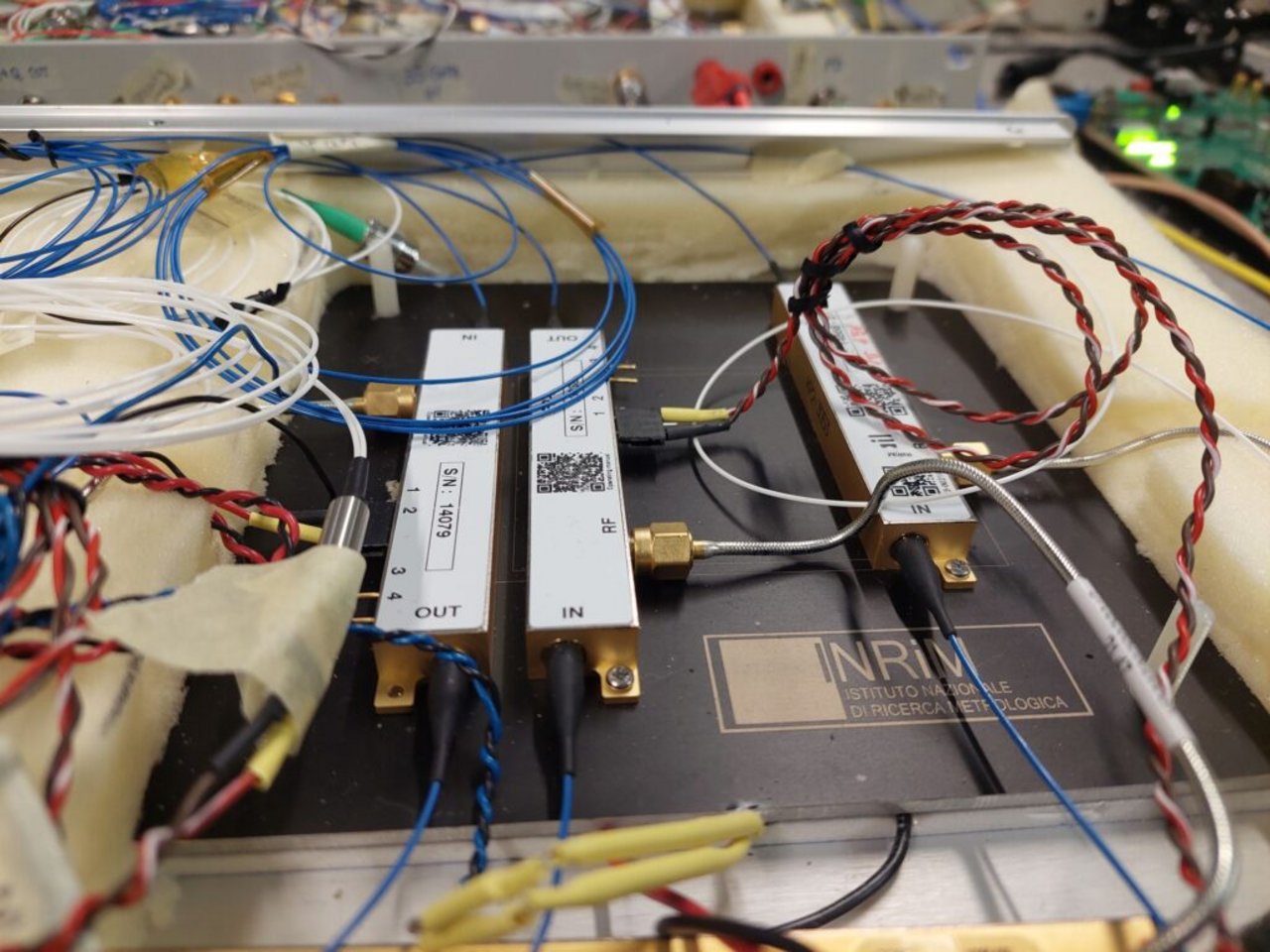
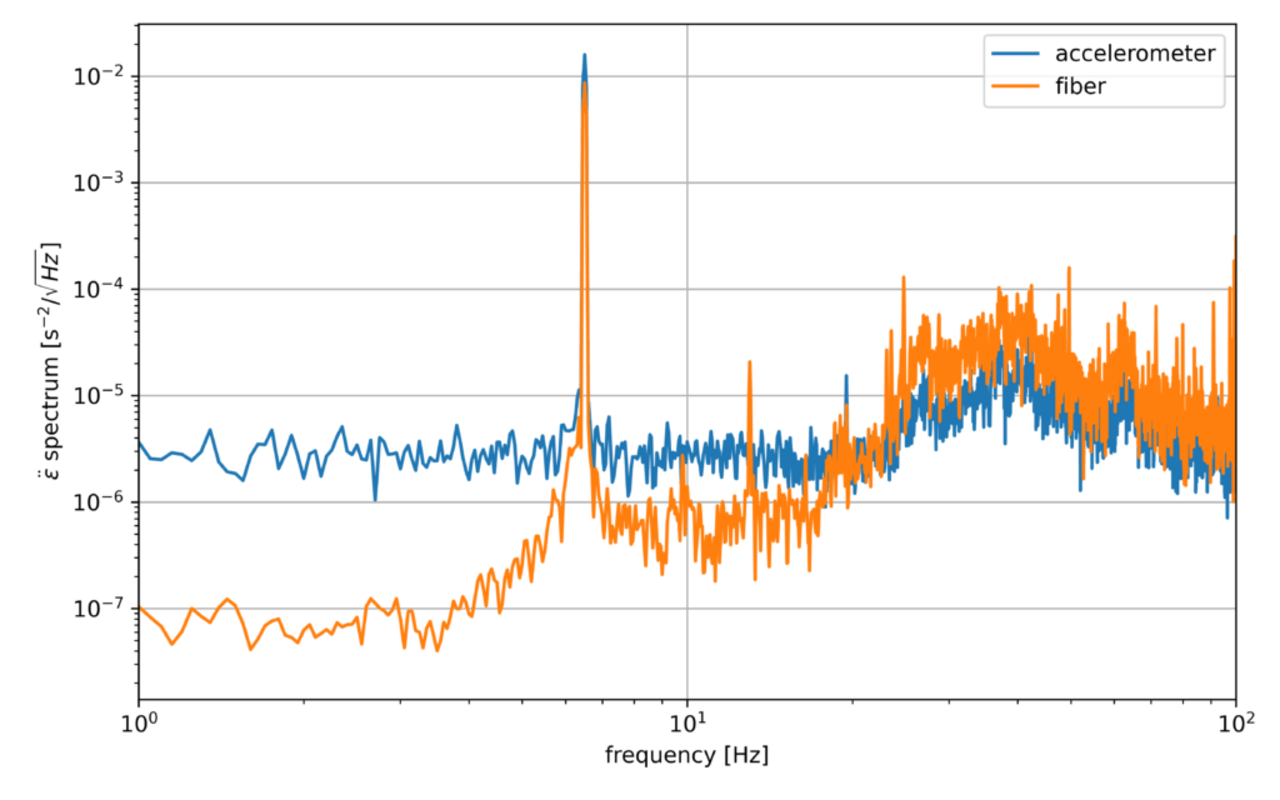
H. C.: We’ve started with some lab-scale, simple tests to check if the idea works in a controlled setting. One of the key steps in this research is understanding how well we can capture structural changes through the signals inside the fibre optic cables. These signals can reveal even the tiniest changes in a structure, but only if the connection, or coupling, between the cable and the building is good enough. In most real buildings, fibre optic cables are loosely placed inside conduits and only attached at a few points, which affects how clearly we can detect structural behavior.
One of our first goals was to study this “coupling” effect – basically, how the cable interacts with the conduit, and how it influences the quality of the data we get. To do that, we ran a series of small-scale lab tests together with our colleagues at INRiM, at their laboratories. We tested different types of commercially available fibre optic cables and compared their performance with a reference case where the cable was fully bonded to the conduit. We found that if we account for the coupling characteristics, some types of loosely placed cables can still give us reliable data.
A. K.: Right now, we’re preparing for more advanced tests on actual structural components in the lab, bringing us closer to how things would work in the real world. Step by step, we’re moving toward full-scale field implementation. In the scope of this project, we will get a chance to test the compatibility of the existing fibre optic infrastructure in actual buildings.
How are these types of assessments currently carried out on buildings?
H. C.: After an earthquake or any serious event, engineers usually go to the site to visually inspect the buildings. They look for cracks, tilts, or signs that the structure might be unsafe. It’s a bit like a doctor doing a quick check-up. But this method depends a lot on the experience of the engineer, and sometimes the damage is hidden or internal, so it’s not always easy to spot.
A. K.: In more advanced cases, sensors are used to measure how the building moves or vibrates, which can tell us more about its condition. But these systems are usually installed only on very important or modern buildings because they’re expensive and not easy to maintain. That’s one of the big motivations behind FORESIGHT, making this kind of detailed, real-time evaluation available on a much larger scale, using the fibre optics that are already part of many buildings.
What are the advantages that this solution would bring?
H. C.: The biggest benefit is that the project could make structural monitoring much more affordable and widespread. This could help us monitor many more buildings, even in regular neighbourhoods, and give early warnings after earthquakes or other events. In the long run, this kind of solution could help cities respond faster after disasters, reduce the risk of collapse, and make inspections safer and more efficient. It’s about using what we already have in a smarter way. Right now, only a small number of buildings, like hospitals or bridges, have advanced monitoring systems. But with FORESIGHT, we’re aiming to use fibre optic cables that are already installed for internet and communication, which means we don’t need to add a whole new system from scratch.
You might also like

Geopolitical instability, health crises: the risks in the pharmaceutical supply chain, and how to manage them

From circuit to laboratory
The collaboration with the Politecnico as seen by Autodromo Nazionale Monza

Research Takes to the Track at Monza
The agreement between Politecnico di Milano and the Monza National Circuit creates an open-air laboratory for safety, sustainability, materials, mobility and major events.

Digital sovereignty: why regulating AI is not enough
Interview with Roberto Baldoni, Senior Advisor for Technology and Cybersecurity Policy to the Ambassador of Italy to the United States
Circular Fashion-Tech Lab: where fashion becomes truly circular
Integrating design and advanced technologies from a more sustainable perspective