

Circular Fashion-Tech Lab: where fashion becomes truly circular


Fashion is one of the most creative industries, but also one of the most environmentally impactful. Today, amid sustainability challenges and digital transformation, it is being called upon to rethink the entire product life cycle.
At the Politecnico di Milano, the Circular Fashion-Tech Lab was established to integrate design and advanced technologies in order to make fashion more sustainable and circular.
We spoke about this with Daria Casciani, Scientific Director of the laboratory.
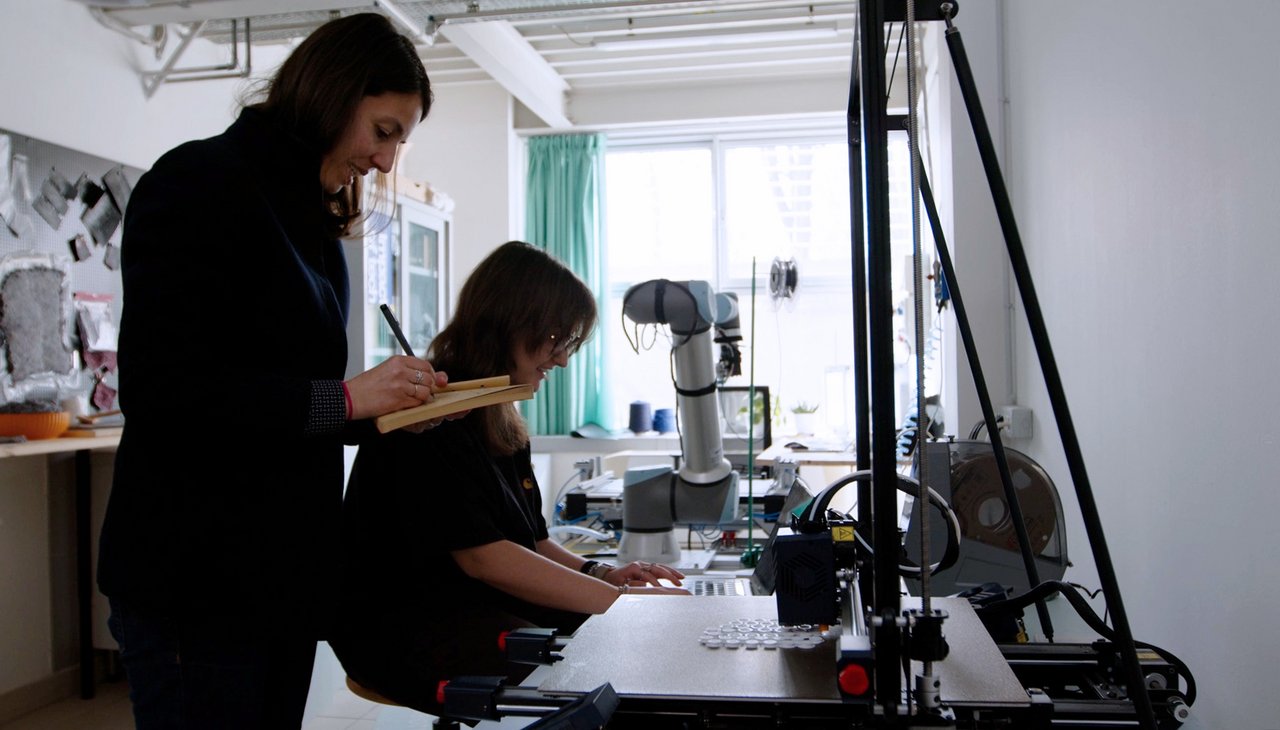
Let’s start with your background: how did you come to work on sustainable fashion?
My path stems from an interest in design as a practice capable of connecting technological innovation, cultural transformation, and sustainability. Fashion is a privileged field of observation because it concentrates many of the tensions of contemporary society: desire, the body, production, data, materials, consumption, and waste. The intersection between circular fashion and digital technologies therefore became a particularly fertile ground for understanding how design can guide complex transitions by directing technologies toward responsible and sustainable uses. Sustainability, in this context, is understood not only in terms of environmental impact, but as a balance among environmental, social, and economic dimensions.
When I began working with the Fashion in Process research group, I started looking at fashion not as the design of a single product but as a complex system: a supply chain involving many actors, from production to consumption. Sustainability is anticipated as a structuring criterion, while technologies are considered enablers. Design becomes essential as a tool for rethinking the entire system—framing the problem, connecting stakeholders, defining scenarios, assessing impacts, and building solutions.
Design plays a central role in your work. What does “design-driven” mean?
It means using design as a lens through which processes can be interpreted and transformed, generating new design, theoretical, and applied knowledge. Design guides the responsible use of technologies toward multidimensional sustainability.
In other words, we do not start from technology and then adapt it; we do the opposite. We begin with problems and needs, and then select the technologies that can help address them, testing them through practical applications in order to understand both their limitations and opportunities.
From this perspective, design becomes a strategic lever for driving change toward more sustainable models. It enables us to develop solutions whose outcomes are critically assessed by evaluating impacts, limitations, hidden costs, systemic effects, and the real conditions required for adoption.
The Circular Fashion-Tech Lab was created from this vision. What exactly is it?
The Circular Fashion-Tech Lab was established within the FasT4C – Fashion-Tech Design for Circularity project, part of the MICS–PNRR ecosystem, with the goal of supporting the fashion industry’s digital, sustainable, and circular transition.
It is both a research and experimentation space and a socio-technical infrastructure—that is, an ecosystem made up of tools and people—working on the so-called “twin transition,” the combined digital and sustainable transformation, through a systemic approach.
The Lab functions as a distributed network, connecting facilities, expertise, partners, and technologies, activating them flexibly according to the challenges at hand. This makes it more resilient, adaptable, and better aligned with the real complexity of the fashion supply chain.
The objective is to integrate advanced technologies—such as 3D body scanning and additive manufacturing—with a design approach oriented toward circularity, intervening across the entire supply chain, with particular attention to the phases from product design to end-of-life management.
We can think of it as a kind of laboratory-gymnasium: a space where we experiment on a small scale but in a concrete way through pilot projects, exploring new approaches to design, prototyping, manufacturing, and the recovery of pre-consumer waste.
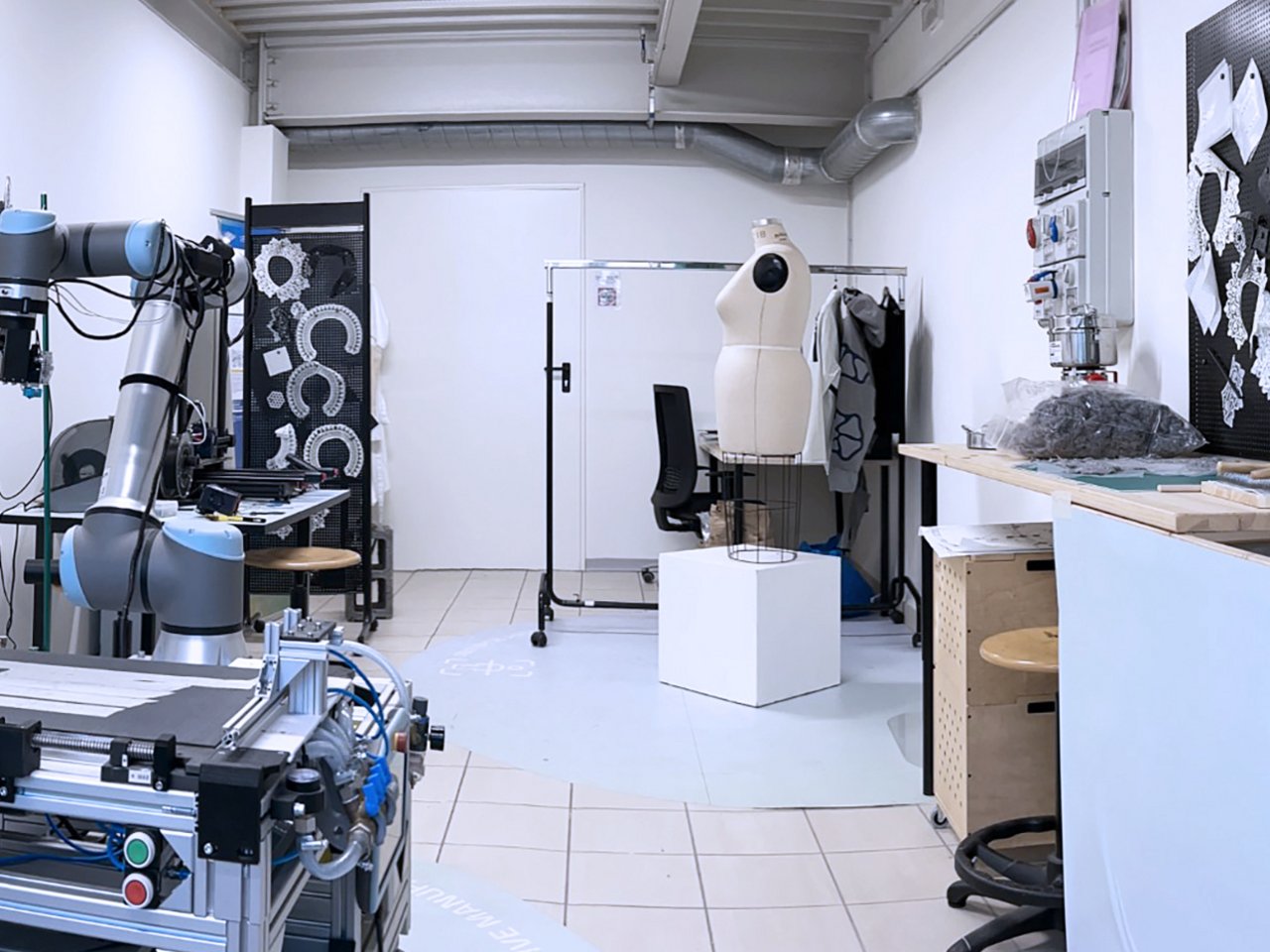
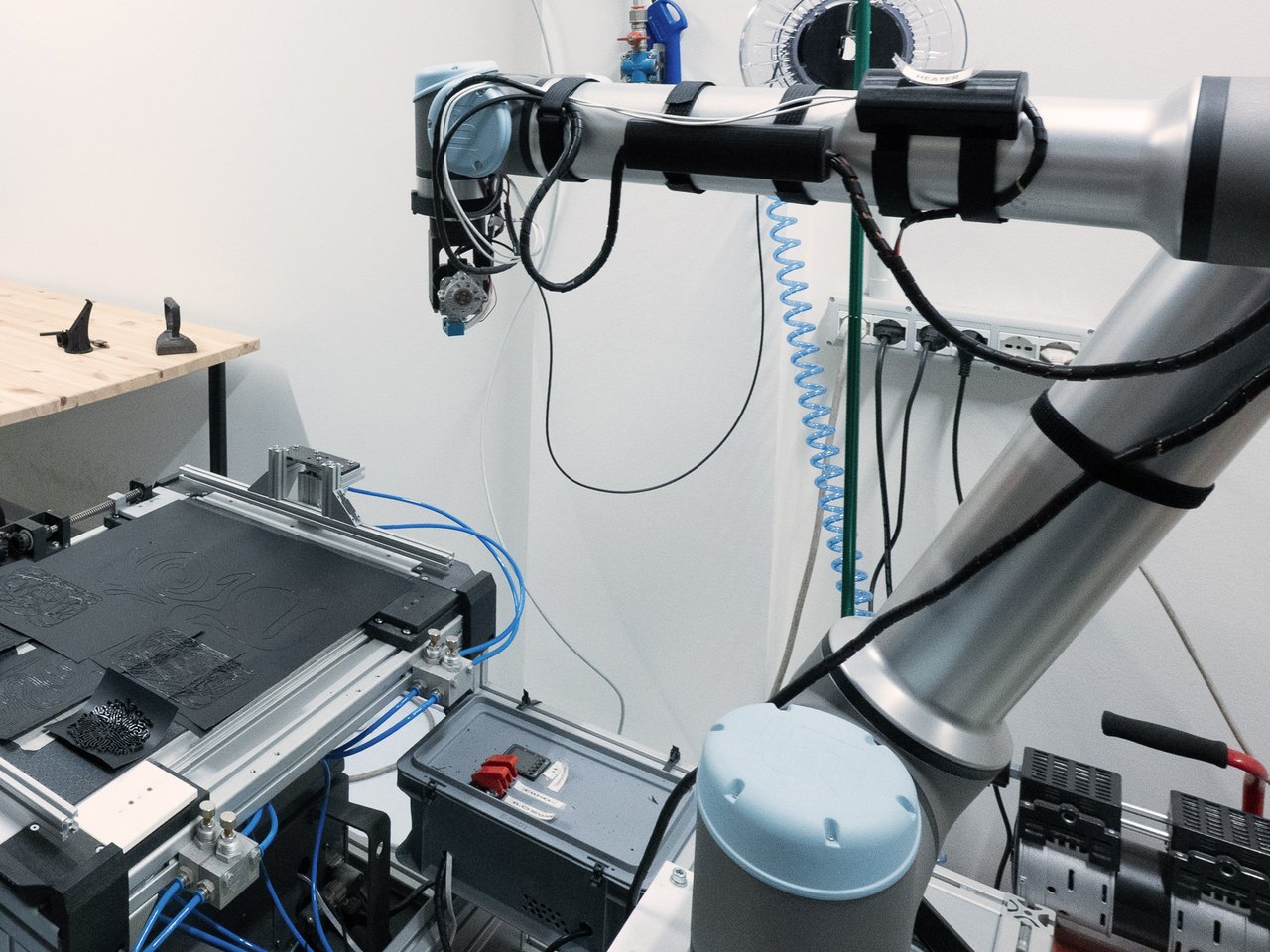
If we walked into the laboratory, what would we actually see?
We would see technologies such as 3D body scanners used to digitize the human body, as well as parametric design software that enables garment customization processes.
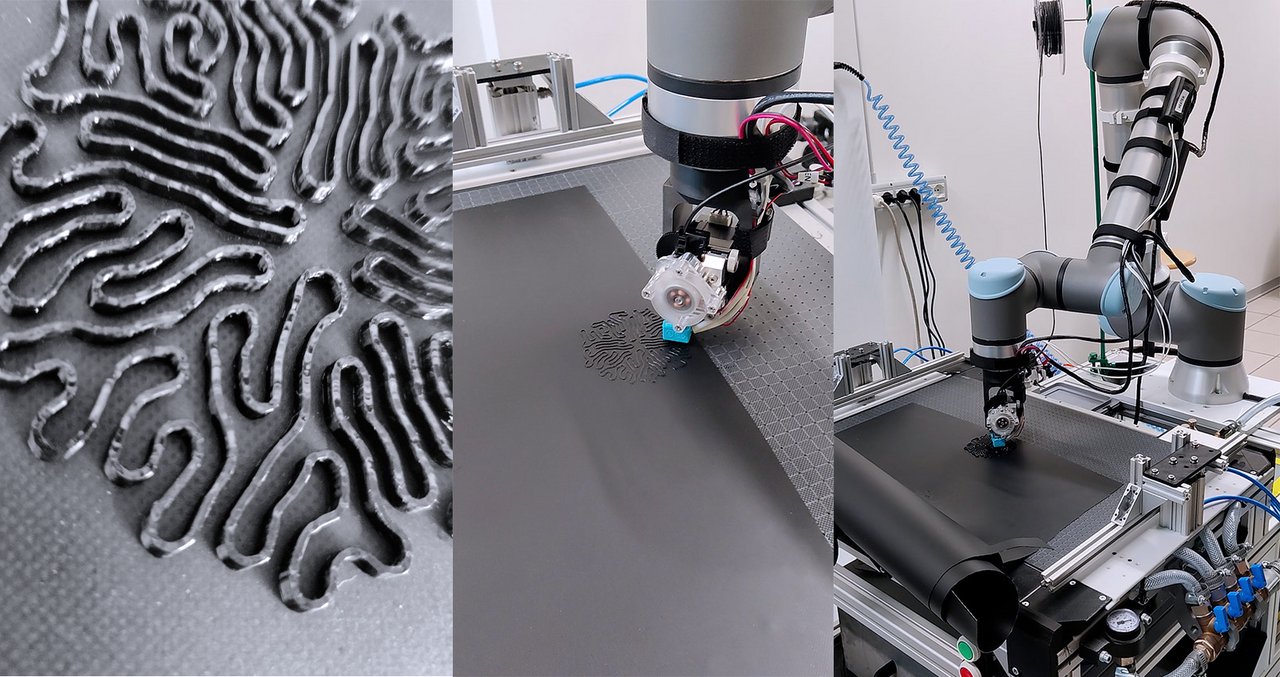
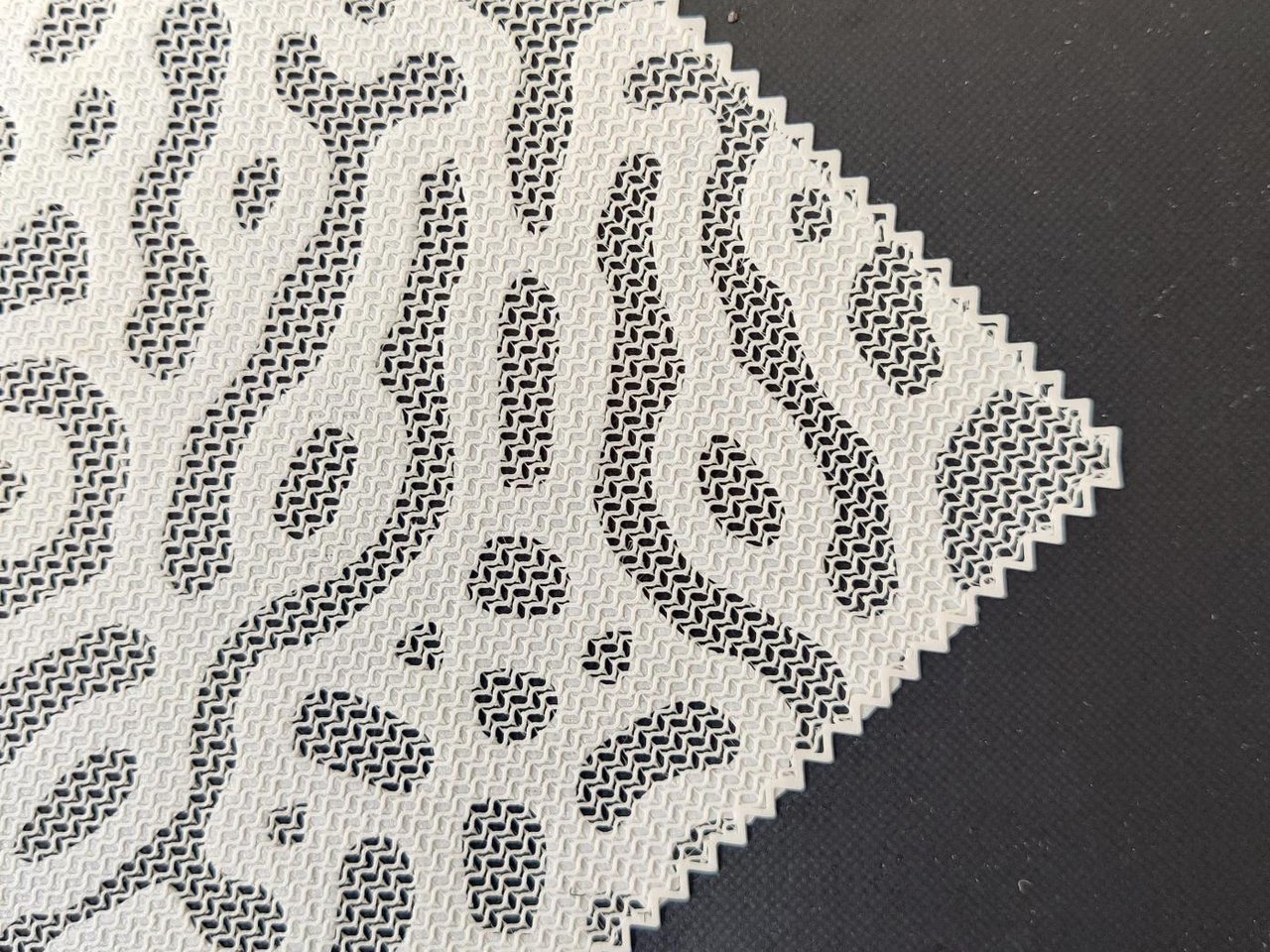
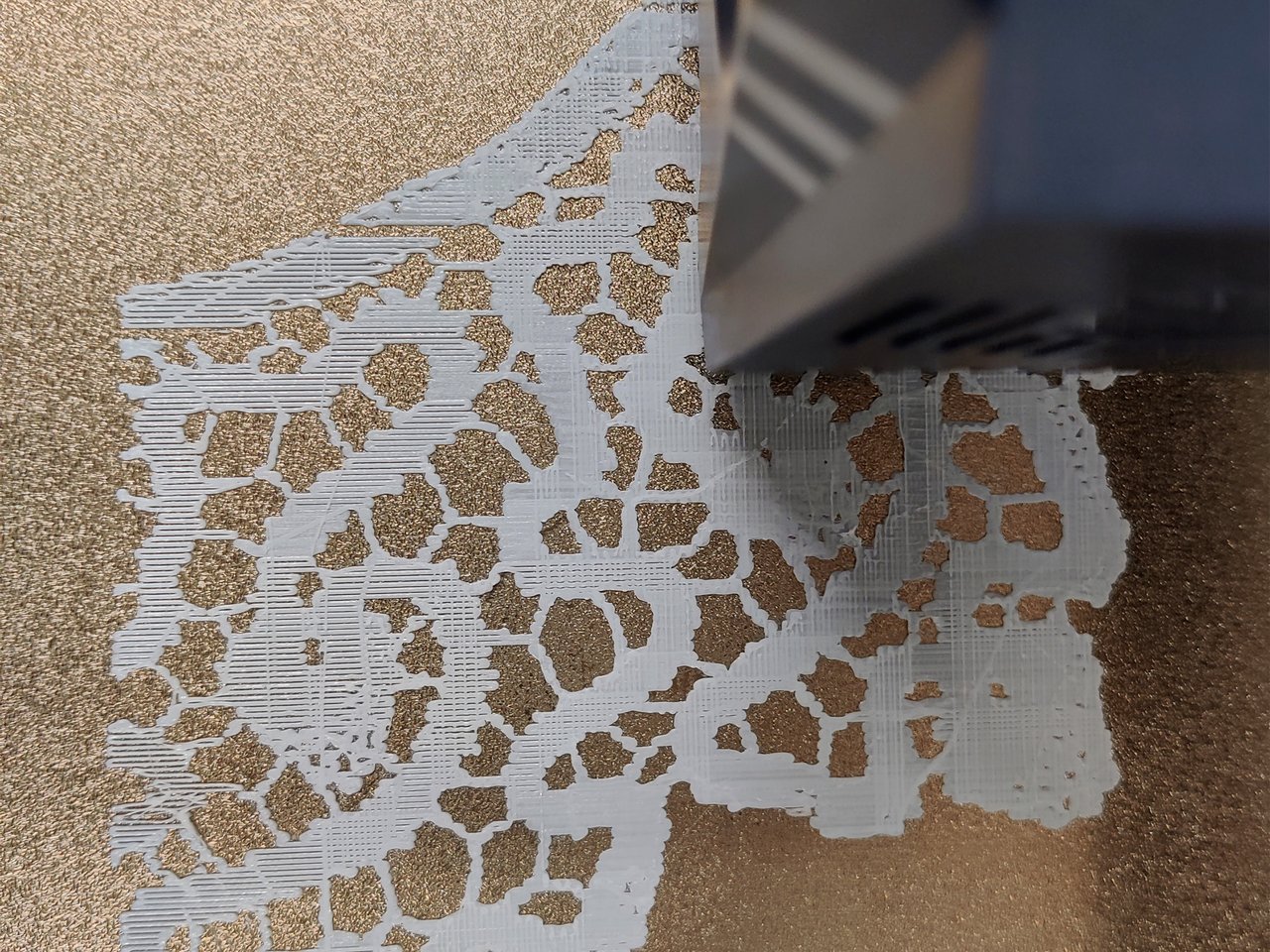
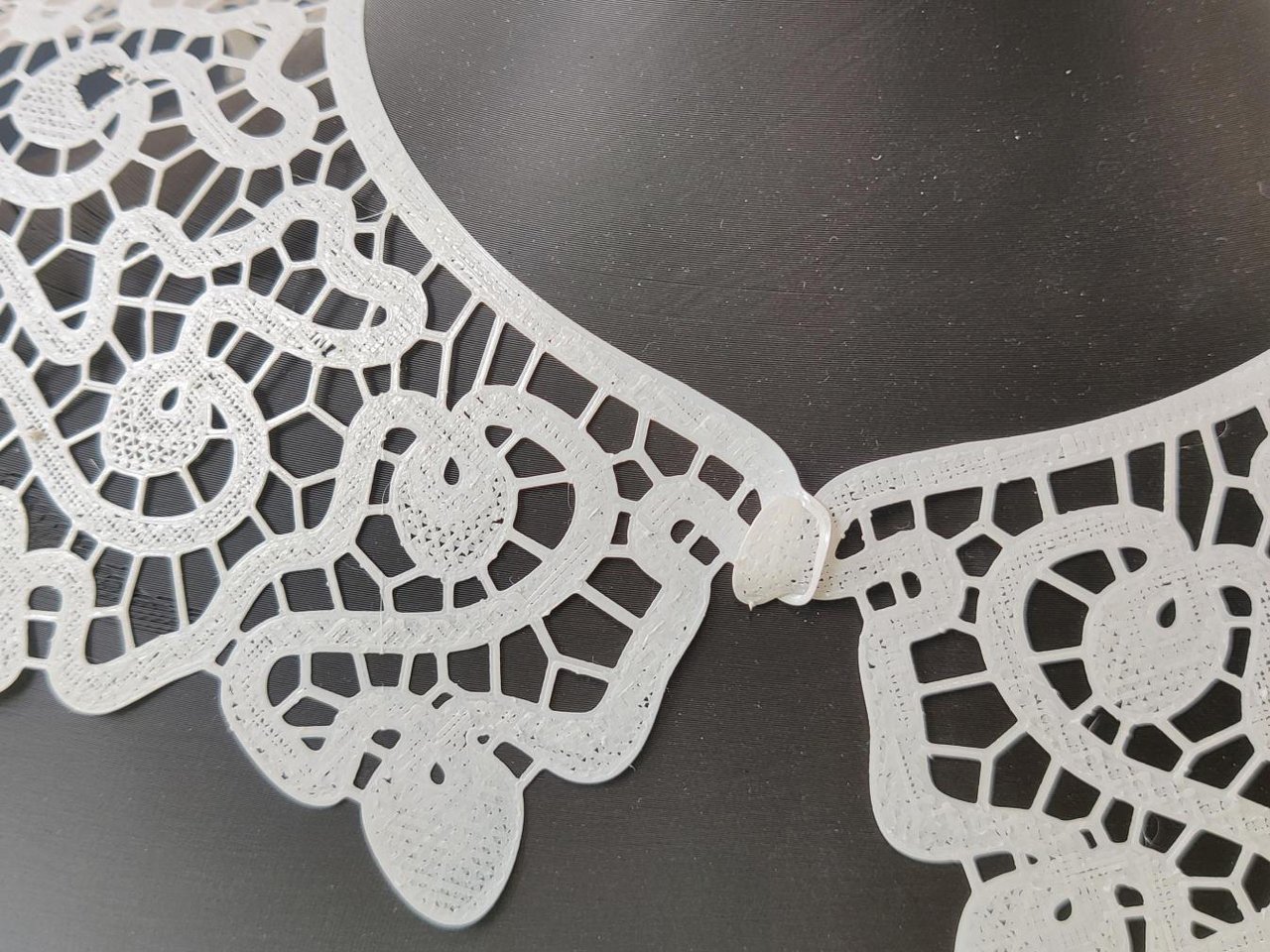
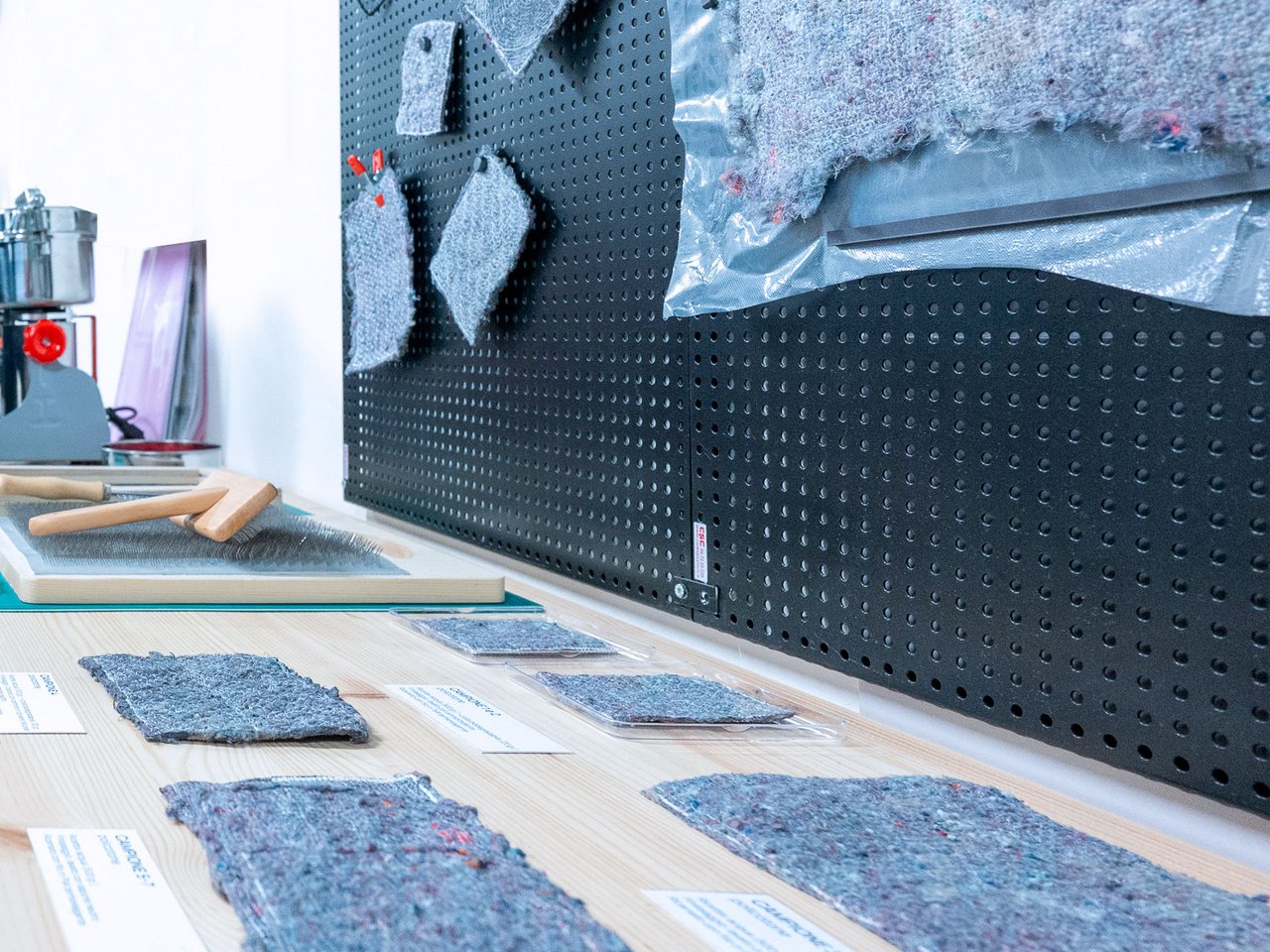
There are also 3D printers—both standard and customized—such as systems integrated with robotic arms for testing the prototyping of accessories, footwear, and personalized garments. We use tools for designing the recovery of pre-consumer textile waste, transforming it into garments through non-standardized technologies.
So, more than the machines themselves, what matters is how we use them.
For example, we devote significant effort to customization. Instead of producing large quantities of standardized garments, we envision clothing designed around the actual characteristics of individual bodies. Together with my colleague Erminia D’Itria, who leads the laboratory’s circularity activities, we use non-standardized technologies to recover and reintegrate circular feedstocks into production processes, giving them new functional and aesthetic value.
How can this approach make fashion more sustainable?
Today, the fashion system produces far more than is actually sold. This generates enormous waste.
Through customization, we can reduce overproduction and improve fit. But that is not all: it also creates a different relationship between people and garments. Design is not only about products and processes; it also concerns user relationships, expectations, care, maintenance, and desirability, fostering what is known as emotional durability.
This means rethinking the relationship between people and clothing, not merely the way garments are produced.
You are also working on 3D printing applied to fashion. How far along are we?
3D printing is highly promising, especially for accessories and components such as soles, shoes, buttons, garment finishes, and jewelry. In these areas, additive manufacturing technologies already allow effective integration between digital design and production, opening the way to more flexible solutions and reduced process waste.
For complete garments, however, there are still limitations, mainly related to materials, which must become more flexible, breathable, and comfortable to meet the demands of the body and everyday use. This highlights the fact that technology alone is not enough: coordinated work on materials, design, and processes is essential.
Nevertheless, the concept becomes extremely significant when viewed within a broader transformation of production models. Additive technologies should not be seen merely as tools for “producing differently,” but as components of integrated digital workflows in which parametric design, data, and manufacturing are continuously connected.
Within this framework, it becomes possible to envision made-to-measure products manufactured on demand, reducing waste while increasing precision.
Furthermore, 3D printing can contribute to rethinking the supply chain from a circular perspective, for example through the use of materials derived from recycled feedstocks or through the production of components that can be easily separated and recovered at the end of their life cycle. Its potential is therefore not only technical but systemic. New additive technologies specifically developed for fashion could enable greater customization, speed, and sustainability.
How important is dialogue with companies?
It is essential. The laboratory was created precisely to build a bridge between research and industry.
We collaborate with companies that provide materials or technologies for testing, as well as with firms interested in validating within their industrial processes the innovative solutions and pilot projects developed in a research context.
The goal is to demonstrate that concrete alternatives to current models exist, particularly in light of the new European sustainability regulations.
In practice, this means that designers, engineers, material specialists, businesses, and researchers do not simply work “in parallel”; they jointly develop languages, tools, and decision-making processes. The main challenge we seek to address is the fashion sector’s difficulty in integrating digital innovation and sustainability without reducing them to fragmented or merely cosmetic interventions.
And what about consumers? What role do they play in this transformation?
They are central.
It is not enough to change production; we must also change the way we perceive, use, and assign value to garments. In this sense, consumers are no longer passive subjects but active participants in a transforming socio-technical system, where use, care, and longevity become design components.
One of the most interesting aspects is storytelling: making visible the processes behind a product, the materials used, the design choices made, and the implications throughout its entire life cycle. This serves not only a communicative function but also acts as a genuine mediation device between the production system and the user, helping shape behaviors and expectations.
When a garment tells a story, it is more likely to be understood, appreciated, and used for longer.
How do you imagine the wardrobe of the future?
It will probably be hybrid and multiversal, much like the vision we proposed in Cyberphysical Fashion Futures.
On one hand, there will be products designed for shorter life cycles but made to be fully circular, recyclable, or biodegradable. On the other hand, there will be high-quality, durable, and customized garments designed to accompany us for a long time. Their digital dimension and service-oriented features will become increasingly important, with stylistic content evolving over time without requiring the continuous production of new garments.
Of course, achieving this vision requires redesigning the entire supplier and value chain in both directions. The challenge will be to integrate design, material data, traceability, recovery models, and industrial adoption much more effectively.
Is there anything that has surprised you during your research journey?
The most fascinating aspect has been interdisciplinarity.
The laboratory functions as an ecosystem where different forms of expertise—design, engineering, psychology, and more—come together. It is from these intersections that new knowledge emerges, capable of addressing complex challenges from multiple perspectives.
Rethinking fashion does not simply mean innovating materials or processes; it means transforming the way we imagine relationships among people, objects, and production systems. Interdisciplinarity provides the opportunity to interpret the same problem through different and complementary lenses. Without this cross-pollination, there is a risk of producing solutions that are technically sound but culturally ineffective.
At the Circular Fashion-Tech Lab, this transformation is driven by a simple yet radical idea: placing design at the center as a tool for building a more sustainable future, one in which the cultural dimension—alongside the technological one—is decisive. Design helps us understand the twin transition, interpret and integrate it into processes, and translate it into shared practices that people can perceive and adopt.
Related stories
In the laser museum where physics tells its story
Period instruments and pioneering prototypes trace a century of research, all the way to ultrafast lasers and attosecond science.

Inside reactions: how catalysis works
Discovering the chemical process which affects us more than we think

Antimatter as you’ve never seen it before: AEgIS allows us to capture it with exceptional resolution
A journey into one of the most fascinating frontiers of contemporary physics, told by Giovanni Consolati — one of the lead scientists behind the experiment

How Much Randomness Is There in Jazz Improvisation? Maciej Lewenstein, a Theoretical Physicist, Explains
His research is marked by a multidisciplinary approach and an insatiable curiosity, leading him around the world.
From cellulose to a tough, versatile fibre for sustainable packaging
Elisa Marelli’s sustainable research between nanotechnologies and biomaterials.
You might also like
Beyond true and false: recognising synthetic content in the age of AI
From cloned voices to deepfakes, the challenge is no longer just to distinguish what is true from what is false, but to understand how content has been produced, transformed and used.
Building in Balance
Matteo Scagnol and Sandy Attia of MoDus Architects discuss an architecture shaped by the tension between landscape and infrastructure, rules and freedom, materials and climate change.

Who owns Milan? Map reveals forces reshaping the city
The financialization of the real estate market and its effects on urban development dynamics

Technology in the desert: how to map in 3D Egyptian and Roman excavations using photogrammetry
An interview with Alessandro Mandelli, a veteran for Politecnico di Milano's excavations in Egypt

Reading Maps: The Taste of Discovery
Jessica Gritti discusses the research on the Maps section of the Civica Raccolta delle Stampe “Achille Bertarelli”: from cataloguing and new international connections to the value of collaboration between universities and cultural institutions.