

“I Wanted to Become an Astronaut. Today I Help Astronauts Prepare for Mars”

How can the progressive decline in astronauts’ cardiovascular capacity during long-duration space missions be monitored?
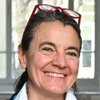
We spoke with Professor Enrico Gianluca Caiani, co-author of a study published in npj Microgravity, (Nature Portfolio), together with Sarah Solbiati and Riccardo Bendandi of the D-Hygea Lab at the Department of Electronics, Information and Bioengineering (DEIB) of Politecnico di Milano.
The research proposes a new non-invasive method for assessing the reduction in aerobic performance associated with prolonged exposure to microgravity.
What did you discover in your study, and why is this result potentially important for astronauts?
What we did was using retrospective data that we collected over 15 years of bed rest studies. These are studies in which subjects remain bedridden in a position tilted at -6° (head-down) relative to the horizontal. This condition simulates some of the changes occurring in weightlessness, particularly from a cardiovascular perspective, but also from a muscular one due to prolonged inactivity.
From a cardiovascular standpoint, this position causes fluids to shift toward the upper part of the body, just as happens in space. The heart works less because it does not have to counteract gravity to pump blood to the brain and, over time, the cardiovascular system loses some of its ability to adapt to physical exertion.
This can represent a problem for astronauts. During a long stay on the International Space Station, major physical efforts are not normally required, but there are situations in which the body must be ready to react quickly: a spacewalk, an emergency, or, looking ahead, arrival on the Moon or Mars.
Today, when astronauts return to Earth, there is always a team ready to assist them. In future lunar or Martian missions, this immediate support will not be available, while astronauts will still be re-exposed to gravity equal to 1/6 and 1/3 of Earth’s gravity and will need to be fully operational. For this reason, it is essential to monitor astronauts’ fitness levels during spaceflight.
And you focused on VO₂ max
Exactly. VO₂ max is a measure of the maximum amount of oxygen the body can utilize in one minute during intense exercise. This parameter measures the efficiency with which the heart, lungs, and muscles work together during prolonged exertion, making it a very important indicator of aerobic performance and cardiovascular health.
On Earth, it is measured through exercise tests performed on a treadmill or stationary bicycle in a laboratory, while simultaneously monitoring cardiac activity and respiratory gas exchange.
On the International Space Station, however, performing these tests is more complicated. It requires time, expertise, dedicated instrumentation, and consumable materials that must be transported into orbit. Considering that every kilogram of material sent into space is extremely costly, these measurements cannot be performed frequently.
Hence the idea of using the bed rest data collected over the years.
Exactly. Thanks to support from the Italian Space Agency, over the last fifteen years we have participated in numerous experimental campaigns of different durations (from 5 to 60 days of bed rest) and collected data from nearly one hundred and fifty subjects. For all participants, we recorded a 24-hour ECG Holter at different stages of the study: baseline (before bed rest starts) and before the end of bed rest. In addition, each subject performed a VO₂ max test both before and at the conclusion of bed rest. We then used these data to train an artificial intelligence algorithm. The objective was to determine whether, by analyzing parameters that can be extracted from the ECG Holter and their variations between baseline and the end of bed rest, it would be possible to predict how much the subject’s aerobic capacity had decreased compared to their baseline value after the bed rest period.
And what did you discover?
We discovered that it is possible to obtain a sufficiently accurate prediction of the decrease in VO₂ max using only these ECG-derived parameters, without the need to physically undergo the exercise test. The algorithm consists of a machine learning model based on physiologically interpretable parameters related to heart rate variability, circadian parameters, and other morphological features of the ECG signal. The results show that the system is able to identify with great accuracy those subjects who have not experienced a decline in their VO₂ max, and for whom performing the test would constitute a significant waste of time and resources. Among the ECG parameters that most influence the model’s predictions we found the T wave.
What exactly is the T wave?
The ECG T wave represents the phase in which, after contraction and blood ejection, the ventricles relax in preparation for the next heartbeat: mechanically, the ventricles refill, while electrically, their cardiac cells recover the ability to contract again. Our study showed that certain characteristics of the T wave are correlated with a reduction in VO₂ max, confirming observations already reported in the literature. As mentioned earlier, the fact that we have an interpretable model and not simply a “black box” makes it possible to verify whether the results have physiological and pathophysiological significance, also providing useful information for clinical evaluation by cardiologists.
Beyond the space sector, what applications could this research have on Earth? I’m thinking of patients, bedridden individuals, or athletes
Applications for bedridden individuals are probably the most immediate. Bed rest has long been considered a model of accelerated aging. Even a single week of bed rest can have significant effects on the body, especially in older adults. Rapid loss of muscle tone, alterations in cardiovascular function, and, in some cases, effects related to skeletal health can be observed. These aspects often receive less attention because the patient is hospitalized for a more serious condition. However, when a person remains in bed for prolonged periods, it would be useful to monitor how much cardiovascular performance they are losing, so that appropriate countermeasures (for example, targeted exercises performed in a horizontal position) can be implemented to avoid additional risks when they resume normal activities after standing again. In fact a deconditioned cardiovascular system could increase the risk of dizziness, fainting, and falls, especially in older adults. These falls may in turn lead to new hospitalizations and further complications.
So your system allows the prediction of a possible decline in cardiovascular capacity.
Yes, but the algorithm does not replace the VO₂ max test. As mentioned, it serves as a screening tool to identify those subjects who require more in-depth evaluation. If no signs of cardiovascular deterioration are predicted, complex and costly examinations can be avoided; otherwise, the system suggests further assessment. This approach could be particularly useful in space missions, where it would allow more frequent monitoring of astronauts’ physical condition and optimization of the exercise protocols used as countermeasures.
What tools will future astronauts have available for this type of monitoring?
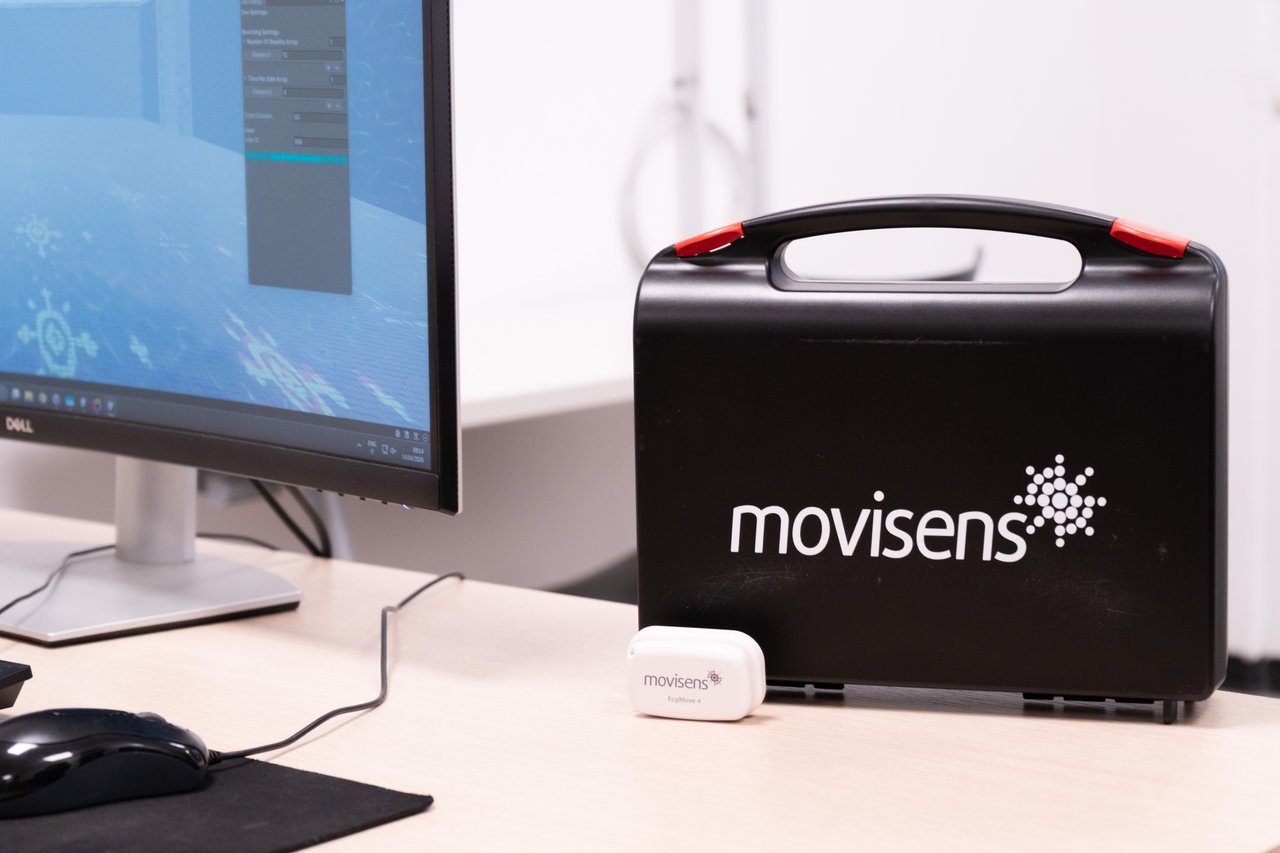
Currently, on the International Space Station, the main tools for cardiovascular assessment are the ECG Holter and ultrasound. Ultrasound is in fact the only true imaging instrument available on board. At the same time, we are working to test increasingly compact and less invasive wearable devices for use in space, capable of simultaneously measuring the electro-mechanical activity of the heart.
Indeed, the most recent research is evaluating the use of miniaturized sensors that combine a single-lead ECG with seismocardiography, a technique that measures the microvibrations generated by the heart during each beat and provides mechanical information complementary to electrical measurements. The goal is to determine whether integrating these data can improve the predictive capability of our models while drastically reducing acquisition times, from the current 24-hour recordings to just a few minutes or even seconds, making the system more suitable for everyday clinical use.
Let’s talk about your laboratory. What expertise is needed to carry out such interdisciplinary research?
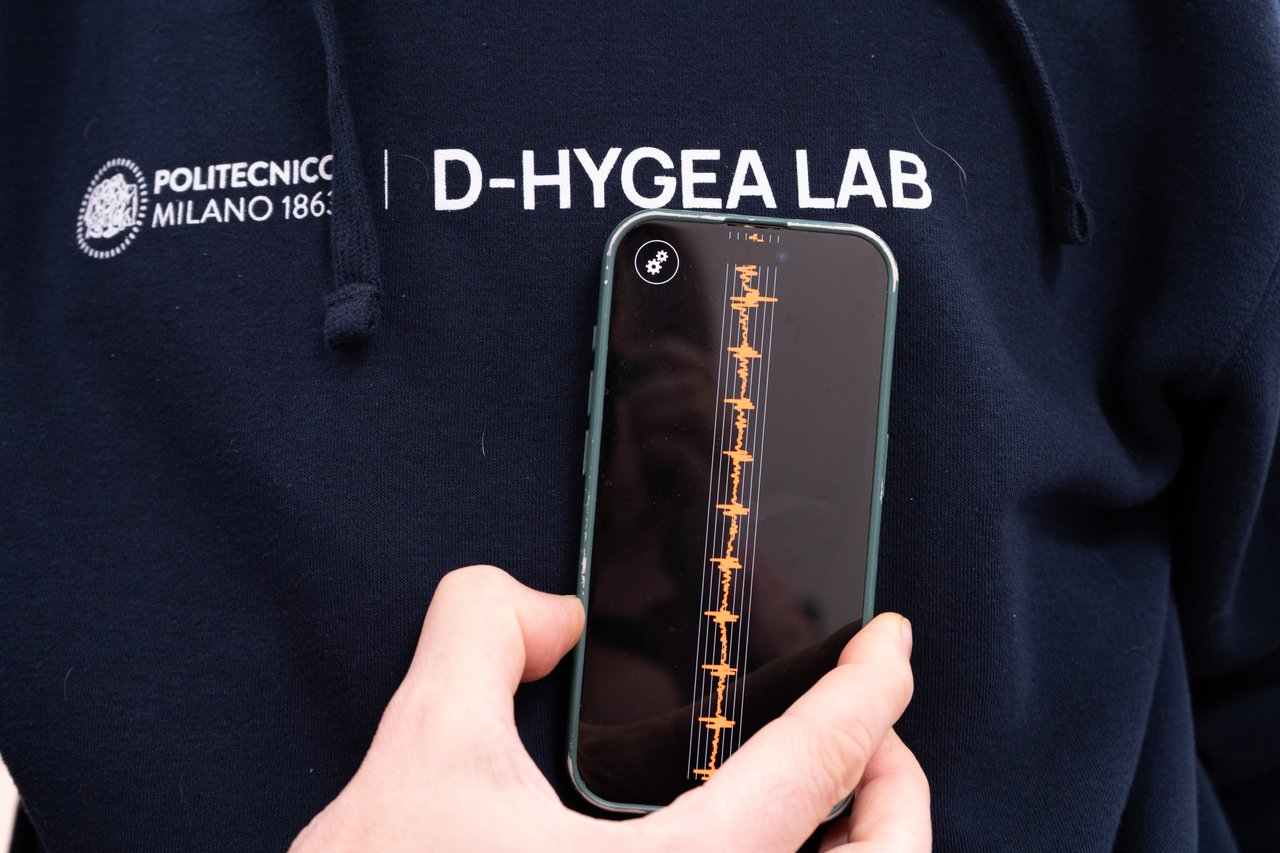
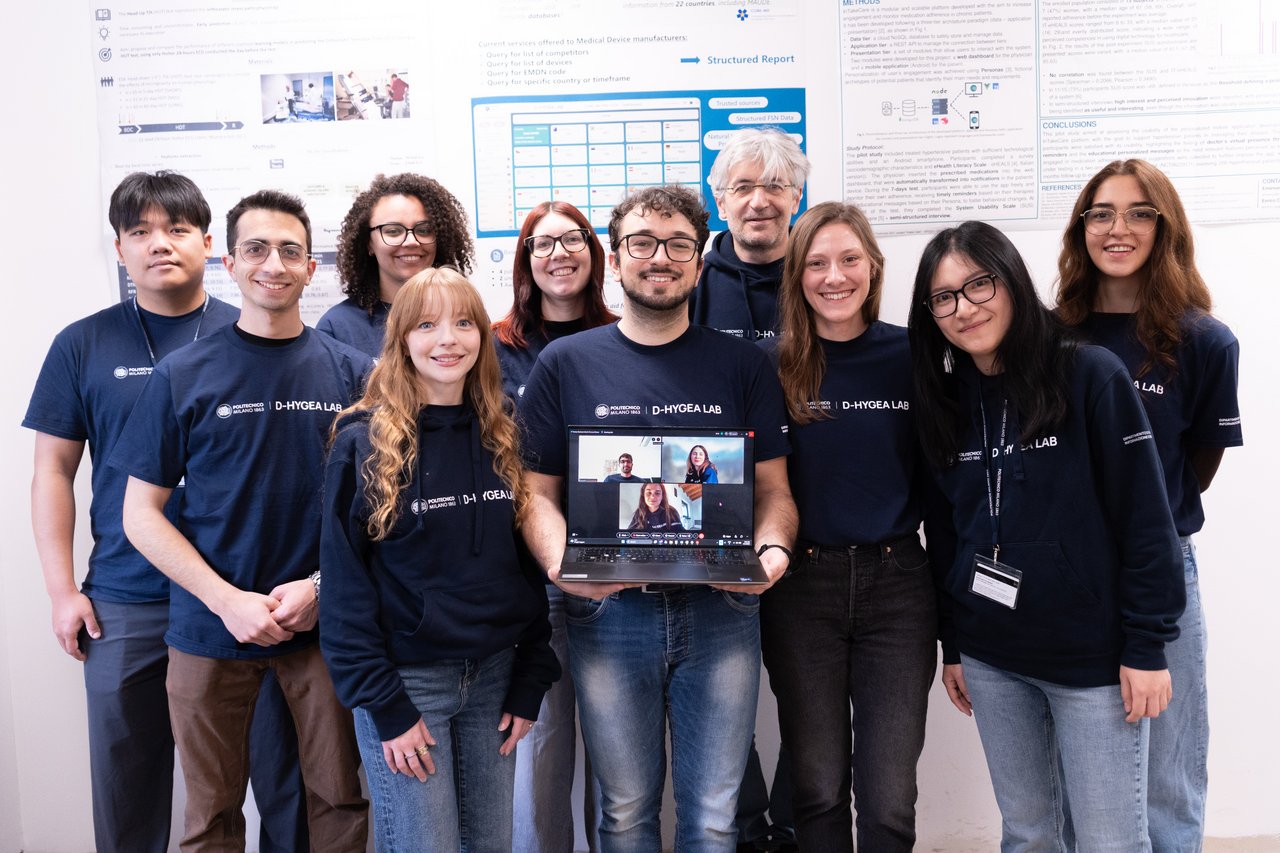
The laboratory I direct is called D-Hygea Lab (https://d-hygealab.deib.polimi.it/): the “D” stands for Digital, while Hygea (or Igea in Italian) refers to the daughter of Asclepius in Greek mythology, the goddess of health and hygiene, in a preventive context. It is a name that reflects the common thread running through our activities, which focus on developing digital solutions for prevention. Today, the group includes one assistant professor, three postdoctoral researchers, and seven PhD candidates in Bioengineering and Data Analytics and Decision Science (DADS). We work on many different topics, always with a strong focus on prevention. In the case of space research, we are talking about preventing health risks for astronauts. In other projects, we study the impact of climate change on public health, particularly the effects of heatwaves and pollution on the population of Lombardy.
Beyond space research, what other projects are you pursuing at D-Hygea Lab?
In collaboration with IRCCS Istituto Auxologico Italiano, we are conducting a randomized clinical study involving 200 hypertensive patients, with the aim of improving treatment adherence through a digital platform we developed specifically for this purpose. The system allows physicians to manage therapy remotely and sends patients reminders and personalized content based on their profile in order to increase engagement. Preliminary results indicate greater adherence to treatment compared to traditional care pathways and a reduction in blood pressure among patients using this solution.
You also work on medical device safety. What does this activity involve?
We support companies in post-market surveillance activities for medical devices. We have developed a platform that collects and integrates into a structured database all reports of malfunctions published in national and international databases that are not connected to one another, thereby facilitating analysis and adding value to these aggregated data.
This potentially allows manufacturers to compare the performance of their own devices with that of similar products on the market and to identify potential issues more rapidly. In addition to supporting regulatory activities, we also work on predictive vigilance, studying which characteristics of medical devices may be associated with a greater risk of specific problems or malfunctions.
Looking at the life of a researcher, what are the greatest satisfactions and challenges of your work today?
The greatest satisfaction is seeing the research group grow. I am fortunate to work with exceptionally well-prepared and highly motivated young people. They are the true driving force behind all these activities. The greatest challenge, however, is realizing that many of these talented individuals are unlikely to be able to build their future within the Italian research system.
They often have to seek opportunities abroad. Over the years I have seen many brilliant people pass through the group who, at a certain point, chose different paths or moved elsewhere. It is understandable, but it is always disappointing, especially when they are researchers of great value.
What advice would you give to a young person who wants to pursue this career?
I would certainly advise pursuing a PhD. Today, a doctoral degree is recognized and valued much more than when I earned mine back in 2000. Companies, too, increasingly understand its value and consider it a distinguishing qualification. But above all, I would say: follow your dreams. It is the message I always try to convey to my collaborators and students: try to pursue what truly excites you. You may not always achieve exactly what you imagine, but you often find paths that still lead to great satisfaction.
Speaking of dreams, you wanted to become an astronaut
Yes, I graduated in Electronic Engineering and then obtained a PhD in Bioengineering. I subsequently continued with postdoctoral research, including a period abroad at the University of Chicago. In 2002, I qualified as one of the three finalists in the selection process for an Italian astronaut. In the end, none of the three of us were recruited, partly because of the Space Shuttle Columbia disaster in 2003 and the subsequent suspension of space flights, but we completed the entire psycho-physical evaluation process and obtained certification for long-duration space missions. Looking back, I can say that I was fortunate because I managed to remain in academia and, thanks to the opportunities that arose, enter the field of space research related to human physiology as a bioengineer. In some way, the dream remained alive. I have participated in numerous parabolic flight campaigns, personally experiencing microgravity: if all the parabolas are added together, I have spent more than five cumulative hours in weightlessness, twenty seconds at a time. Naturally, research also depends on funding opportunities. In recent years, most opportunities have focused on bed rest studies, which, moreover, allow us to address many of the real challenges we will have to solve for lunar and Martian missions. Parabolic flights are very useful for rapidly verifying instruments and protocols, but twenty seconds of microgravity do not allow the study of long-term effects on the human body.
And what project are you working on now?
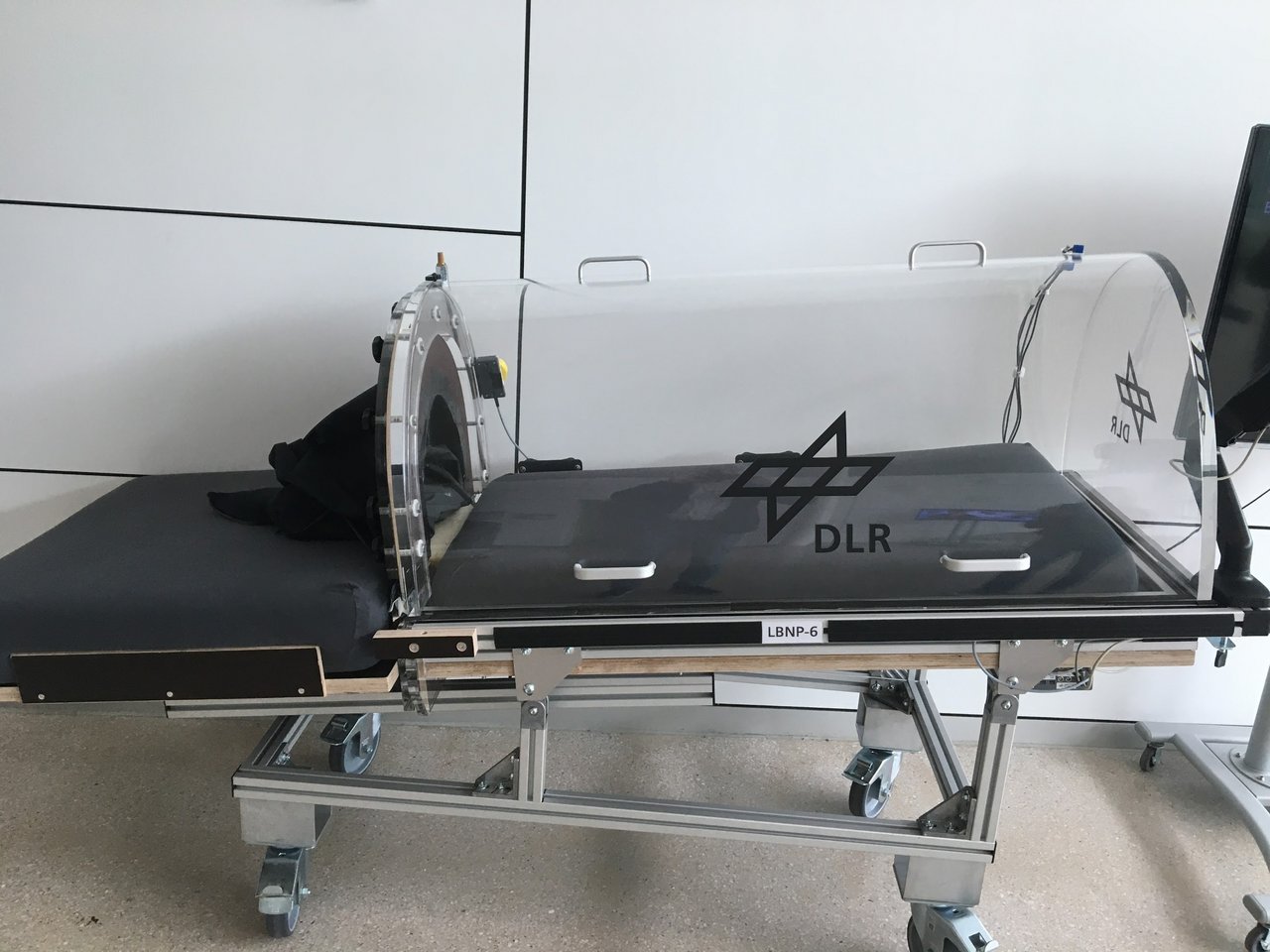
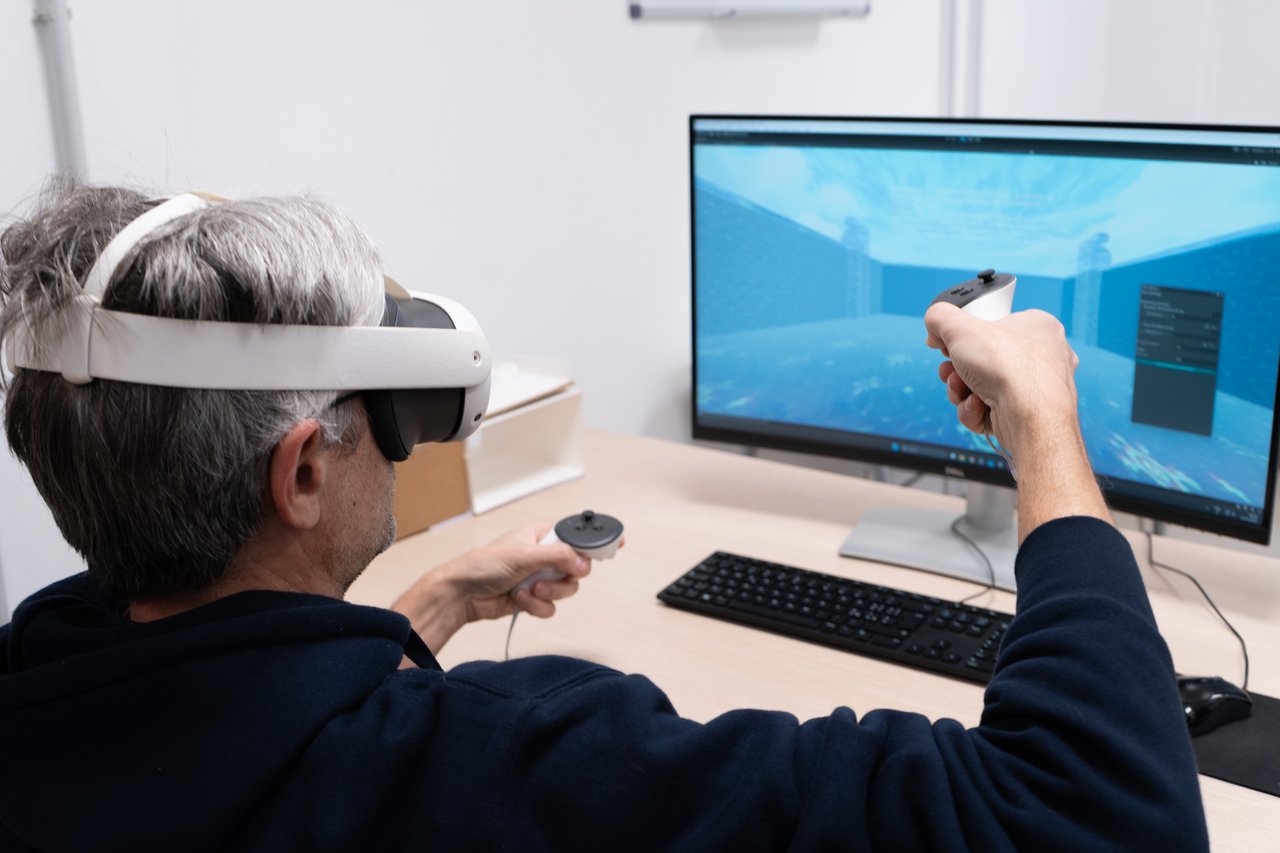
We are currently participating in the European Space Agency’s SOLIS100 campaign, which involves one hundred days of isolation. Six volunteers are living inside a facility designed to replicate some of the typical conditions of a future lunar base, at DLR, the German Aerospace Center, in Cologne. In this project we are integrating aspects related to cardiovascular health with aspects of mental health. This is a direction in which our laboratory is investing heavily. When discussing long-duration missions, stress is not only physical or cardiovascular; there is also a very important psychological component.
So the participants live together for one hundred days
Exactly. This is not a bed rest experiment. They live normally inside the facility, sharing spaces, activities, and daily routines. Relational dynamics, stress management, boredom, work organization, and cohabitation all come into play. It is a true scientific experiment designed to simulate some of the conditions that may occur during a future space mission.
The six volunteers—three men and three women, all around thirty years old—entered the facility on April 28 and will leave on August 7. At the time of this interview, they had completed their forty-second day of isolation, so we are roughly halfway through the experiment.
Is your project one of those selected by ESA?
Yes. The European Space Agency selected our study among those considered scientifically most interesting to be integrated into the campaign.
We also participated in a call from the Italian Space Agency to obtain financial support for this research activity. Therefore, the volunteers directly carry out our experiments. They independently apply the sensors and collect the data required by the protocol. Naturally, ours is not the only study being conducted there: throughout the day they must take part in numerous experimental activities. Let’s say they have something to do every day. They do not have much time to get bored. Just like us researchers at Politecnico di Milano.
You might also like

Geopolitical instability, health crises: the risks in the pharmaceutical supply chain, and how to manage them

From circuit to laboratory
The collaboration with the Politecnico as seen by Autodromo Nazionale Monza

Research Takes to the Track at Monza
The agreement between Politecnico di Milano and the Monza National Circuit creates an open-air laboratory for safety, sustainability, materials, mobility and major events.
The creative force of mathematics, in the words of Sachiko Nakajima
The scientist and pianist is a tireless promoter of topics such as STEM, diversity and inclusion. In this interview she told us about her artistic world and her vision of mathematics.
Circular Fashion-Tech Lab: where fashion becomes truly circular
Integrating design and advanced technologies from a more sustainable perspective