

Where Engineering Meets the Brain

What happens when an engineer decides to enter the still partly mysterious territory of the human brain?
In the work of Alberto Antonietti, researcher in the Department of Electronics, Information and Bioengineering at Politecnico di Milano, the answer takes the form of computational models that reconstruct the behaviour of neurons and neural networks, starting from physiological data. A line of work that brings together neuroscience, mathematics and technology, with a twofold objective: to better understand the mechanisms of learning and brain plasticity, and to bring this knowledge closer to possible clinical use, from brain stimulation to personalised medicine.
Alberto, you work between neuroscience and engineering: how would you explain to a non-expert reader what you study?
I consider myself a biomedical engineer on loan to neuroscience. I try to apply engineering methods and techniques to something that may seem, at first sight, far removed from engineering, namely how the brain works.
In practice, my team and I build computational models, simulated on a computer, that reconstruct the electrical behaviour of neurons: what they are like, how they are arranged, how they are connected to one another and what messages they exchange, using information that comes from biologists and neurophysiologists who take measurements on real brains.
The goal is to obtain a reconstruction that is as faithful as possible to the functioning of biological neural networks. Neurons work like small electrical circuits: they change state, move from being at rest to being active, and perform an encoding task.
Why are these models important?
The strength of these models is that they are built starting from physiological data, above all data from animal models. We create customised models based on animal data, with the aim of reconstructing mouse or fruit fly brains, because for those species we have a great deal of information accumulated over the decades, also thanks to the evolution of data acquisition techniques.
In recent weeks there has been news that a company had reportedly managed to simulate the entire brain of a fruit fly by loading it onto a computer. Of course, it is a model that is highly simplified compared with our brain. We are fairly close to complete reconstructions of some areas of the mouse brain and, with these models, we are able to understand something more, because we use them as investigative tools, to carry out virtual experiments.
How can these animal models help us arrive at a model of the human brain?
For human beings we are much more constrained by the type of data we have. We mostly have non-invasive data, such as magnetic resonance imaging or electroencephalography, which give us very coarse information about what is happening in neurons.
It will take much longer to arrive at human brain models. But we can infer some properties from animal models. The mouse shares with us a large part of its genetic heritage and, although it is very different in scale, it can give us clues as to what the effects of conditions such as Parkinson’s, Alzheimer’s or epilepsy might be.
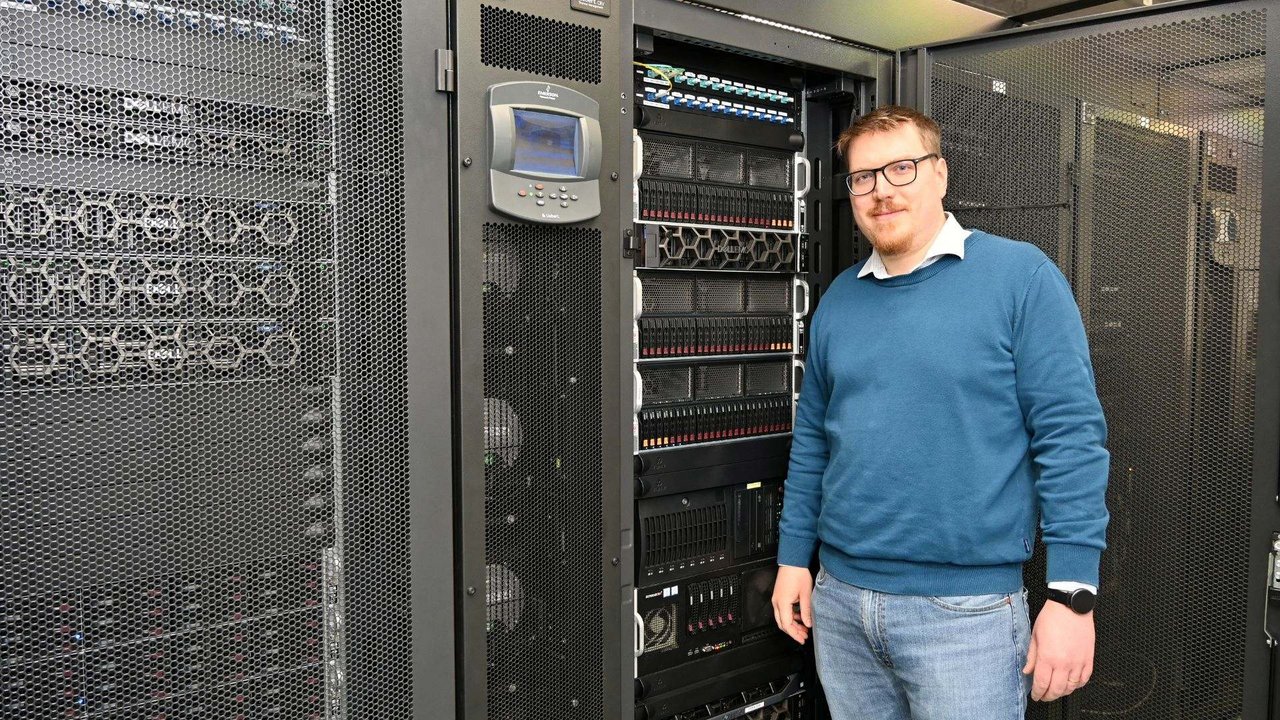
A central part of your research concerns neural plasticity: how our brain learns and adapts?
Our capacity for adaptation and learning depends on neural plasticity. Many connections between neurons can modify their strength according to the activity passing through them: if they are activated simultaneously or with a certain causal relationship, that pathway can be strengthened; if, on the other hand, a connection is used little, it can be weakened.
Compared with the computers we are used to, in the brain computing capacity and memory coincide: neurons are the CPU, while memory lies in the way the connection between these neurons varies. Learning is precisely this change in connections, that is, neural plasticity. It can take different forms: some depend on neural activity, others on external factors or on signals coming from other areas of the brain that modulate this plasticity, activating or deactivating it.
What is meant instead by network dynamics?
When we talk about network dynamics, we look at the fact that the behaviour that emerges from our body and allows us to interact with the environment is the result of a chain of steps that starts from the neuron and scales up to coordination among many neurons.
What we observe are activity rhythms: we do not distinguish the voice of the single neuron, but we see groups of neurons that activate and deactivate in a coordinated way.
These rhythms give us information about what we are doing. Faster rhythms can be associated with thought or movement; slower rhythms with rest. In this way we relate microscopic behaviours to macroscopic behaviours.
Will computational models one day be able to explain everything that happens in our brain?
If we were truly able to explain the brain cell by cell, then everything could be explained through engineering and mathematics, including consciousness. But we are not at that point, and we will not be able to recreate high-level capacities in a simulation, also because we still do not have a way of truly investigating them.
We try to build models capable of reproducing the variables that interest us and of helping us direct our hypotheses more effectively. Moving, however, from neural oscillations and rhythms to something more abstract, such as consciousness, thought or emotions, is still very far away. Pieces are missing.
How can this research have concrete implications, for example in the understanding or treatment of some neurological diseases?
There is still a long way to go with diseases, but there are promising examples. A very direct way of intervening on the brain is stimulation, electrical or magnetic, used in neurology to try to interfere with a pathology.
Parkinson’s, for example, is a disease in which some neurons die in certain areas of the brain and oscillations and rhythms between different areas are altered: symptoms such as tremor derive from this. It is possible to intervene with drugs, but in about one third of cases they do not work. Another solution is to implant electrodes inside the brain and electrically stimulate certain areas, a sort of brain pacemaker. This makes it possible to restore those rhythms and make the tremor disappear.
The model can help us understand how to stimulate the brain in the best way: with what intensity, at what frequency, in which area. Today, people often proceed by trial and error, looking for the combination that works best for that patient. With a model, ideally patient-specific and built also from magnetic resonance data, it would be possible first to simulate the various attempts and then try only the best solution on the patient.
Today this is easier to do with electrical stimulation, but the idea is to get to the point of doing it with drugs as well: testing which molecule is best suited to a given patient. This is the direction of precision and personalised medicine, which seeks to move beyond the idea of the same therapy for everyone.
In your case, the starting point is engineering. How did the move to studying the brain come about?
It is true, I started out as an engineer. When I had chosen this path, the idea of medicine had also stayed in my mind: it was something that hovered there. In the final years of my Master’s degree I would have liked to work on robotics applied to prostheses, I was very interested in that area. Then the opportunity did not arise, and in my thesis I worked on robotics, but in a different context: that of a robot controlled by simulated neural networks.
That was when I encountered neuroscience. Up to that point I had no idea that I would want to do this. Using the robot as a body for a simulated virtual brain led me to work on computational neuroscience. During my PhD the real transition took place, and it then continued in my postdoc. I still have neurorobotics projects, but I have shifted more and more towards the study of the brain and the limits to be overcome through models.
Over the years I have tried to understand how far my objectives could move towards a concrete application: understanding why certain stimulations have an effect on some patients and not on others, and what the buttons are that we can act on to make them more effective. In this sense mine has been a path from pure engineer, then roboticist, then increasingly closer to neurons and networks.
All at the Politecnico?
Up to my PhD. Then I had three and a half years of research experience at other universities, in Italy and abroad, which enriched me greatly.
In 2023 I came back “home” with satisfaction, in this new role as a researcher at NEARLab in the Department of Electronics, Information and Bioengineering.
And shortly afterwards you took part in the European Talent Academy: what is it?
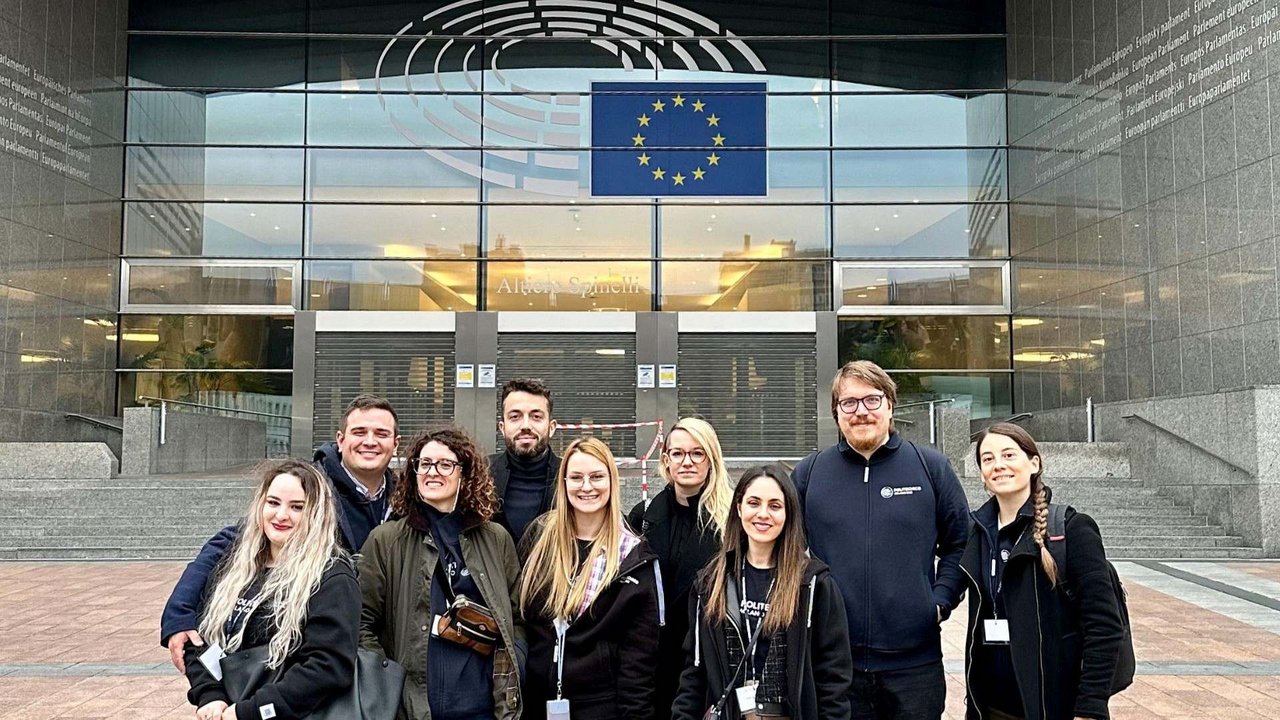
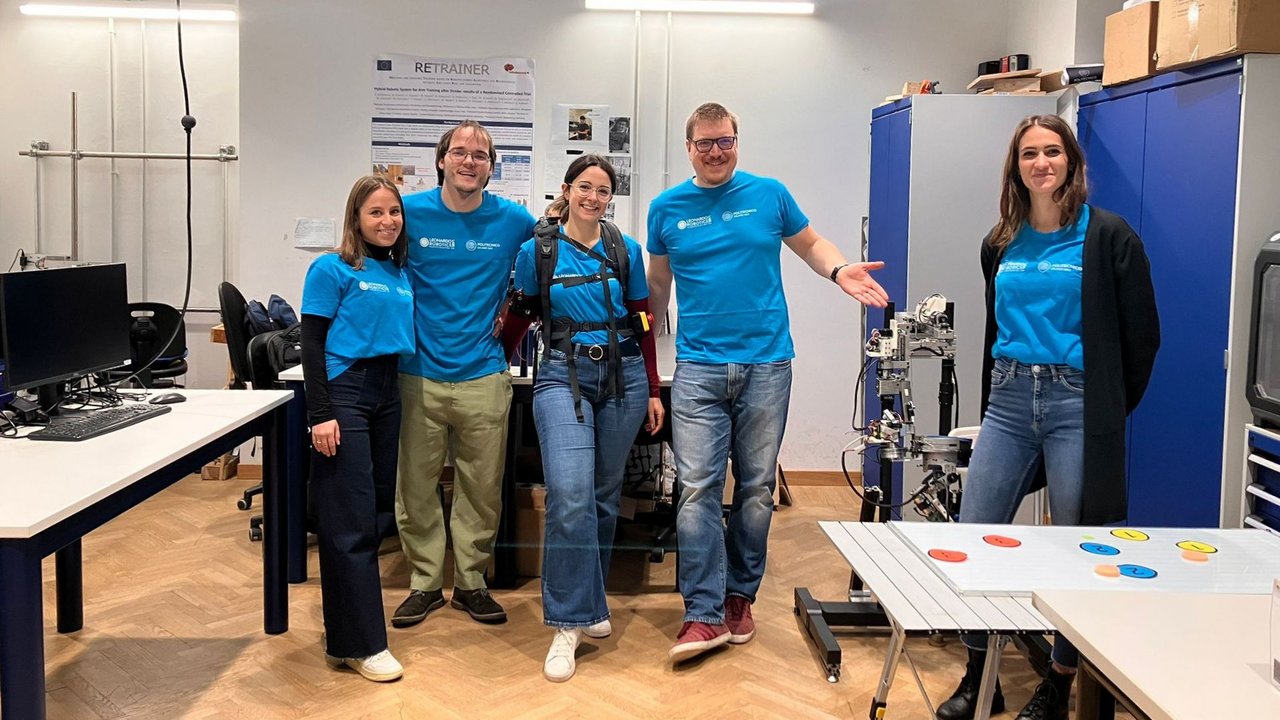
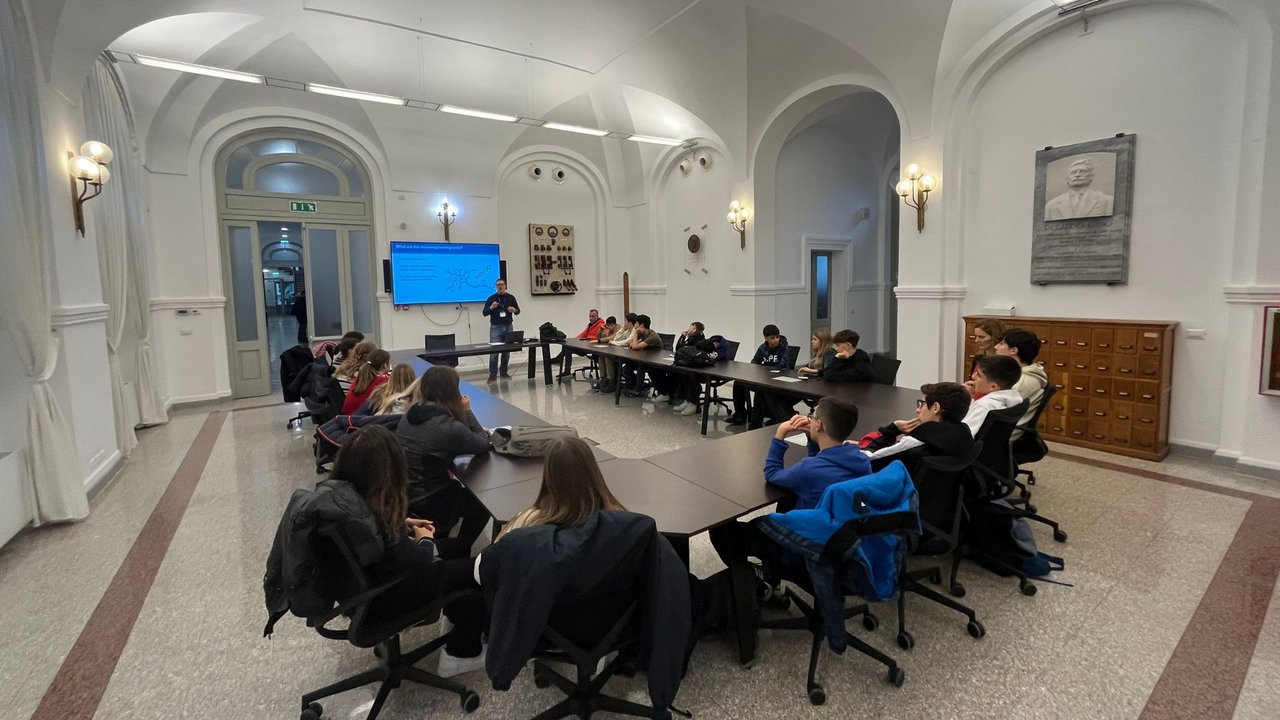
The European Talent Academy is a joint initiative between Politecnico di Milano, TUM in Munich and Imperial College London to support young researchers in developing their skills, building a network with colleagues from the other universities, and training on European research policies and funding opportunities.
What was the experience like?
It was an absolutely positive experience. The theme was health, therefore very close to my field, and I applied. For me it was also a way to get to know better not only colleagues from Munich and London, but also colleagues from the Politecnico itself, who came from areas I was less familiar with, such as chemistry, architecture or design, but always oriented towards the theme of health.
I created personal ties, but above all it was an opportunity to connect with colleagues from very prestigious universities, useful for finding high-level collaborations. Everything was organised very well, with many moments of interaction, in addition to lessons and meetings on funding opportunities.
There were also very practical moments: the three-minute pitches to introduce yourself and explain what you do, then paired matching, to explore ideas for possible collaborations in greater depth.
Did the ideas that circulated at the European Talent Academy bear fruit?
There I met an Imperial researcher who worked on experimental neuroscience; I worked on computational neuroscience, and we immediately understood that there was strong complementarity. From there a seminar emerged, then I visited the laboratory in London, and then the idea of a joint project came about. Later, a call from an American foundation aimed at pairs of principal investigators was published, and that was the opportunity to really turn an idea for collaboration into reality.
I then reworked that idea in other calls, until last November a project was funded by the Italian Science Fund on the study of the effects of ultrasound stimulation, a non-invasive technique for which some effects on neurons have been observed but whose mechanism is still not well understood. So today we have the means to collaborate on research that was born precisely there.
What did you take away?
The most important lesson is that you need to step outside your comfort zone to understand how far you can push your research and to bring out something innovative. In this sense, people matter enormously, as do the network and the possibility of finding someone who does something complementary to what you do.
Speaking of comfort zones, you were saying that you strongly wanted to remain at university, returning to the Politecnico. How do you experience the teaching side?
The teaching component and the work with students are one of the reasons why I chose to remain at university. I like involving students, proposing thesis projects, getting other people passionate about the subject.
At a certain point the work also turns into this: it is no longer only the research you do personally, but also guiding PhD candidates and Master’s students in their projects and accompanying them in their growth.
And in research work, on the other hand, what gives you the most satisfaction and what do you still want to see achieved?
Using a model to understand something that was not known before gives enormous satisfaction. It has happened to us in several works.
What still has to come is having a direct impact on clinical practice, a tangible outcome. What we do today are the building blocks that are constructing knowledge about the brain.
The horizon I set for myself over the next, let us say, fifteen years is to succeed, for example in the ultrasound project, in truly understanding how they work and then having a clinical protocol in which the model is verified on the individual patient and the best protocol is determined to reduce tremor. That, then, would be a concrete, tangible impact on the patient.
Looking ahead: what is the scientific question that intrigues you most today?
The dream of every biomedical engineer is that the algorithm, prosthesis or technology they develop will truly reach the market and have a concrete impact on the patient. In the field of models for neuroscience, for me this would mean managing to have a model used within a clinical study, something that could potentially become a standard.
There is also another direction that intrigues me greatly, although at the moment I know it less well: the relationship between neuroscience and artificial intelligence. AI models today are very different from the models we make, because they work mainly on statistics and probability, whereas ours seek to reproduce actual electrical signals. I am interested in the idea of transferring into artificial intelligence models some of the principles with which the brain solves problems, to make them not only more intelligent but also more efficient. Even a minimal improvement, in terms of efficiency, could have an enormous impact.
It is a challenge I look at with some apprehension, because it is still a world I know little about, but precisely for this reason it also seems a very stimulating direction to explore: trying to improve artificial intelligence by making it a little more “biological”.
By telling us with such passion about the extraordinary world of the brain, you will surely have sparked the curiosity of many readers. Is there a book you would recommend to anyone who wants to learn more?
A book that struck me greatly is Models of the Mind, by Grace Lindsay, a computational neuroscientist whom I have also met in person. In an accessible way, it introduces the most important concepts of modern neuroscience and highlights the tensions that arise when the abstract world of mathematical modelling meets the complex details of biology.
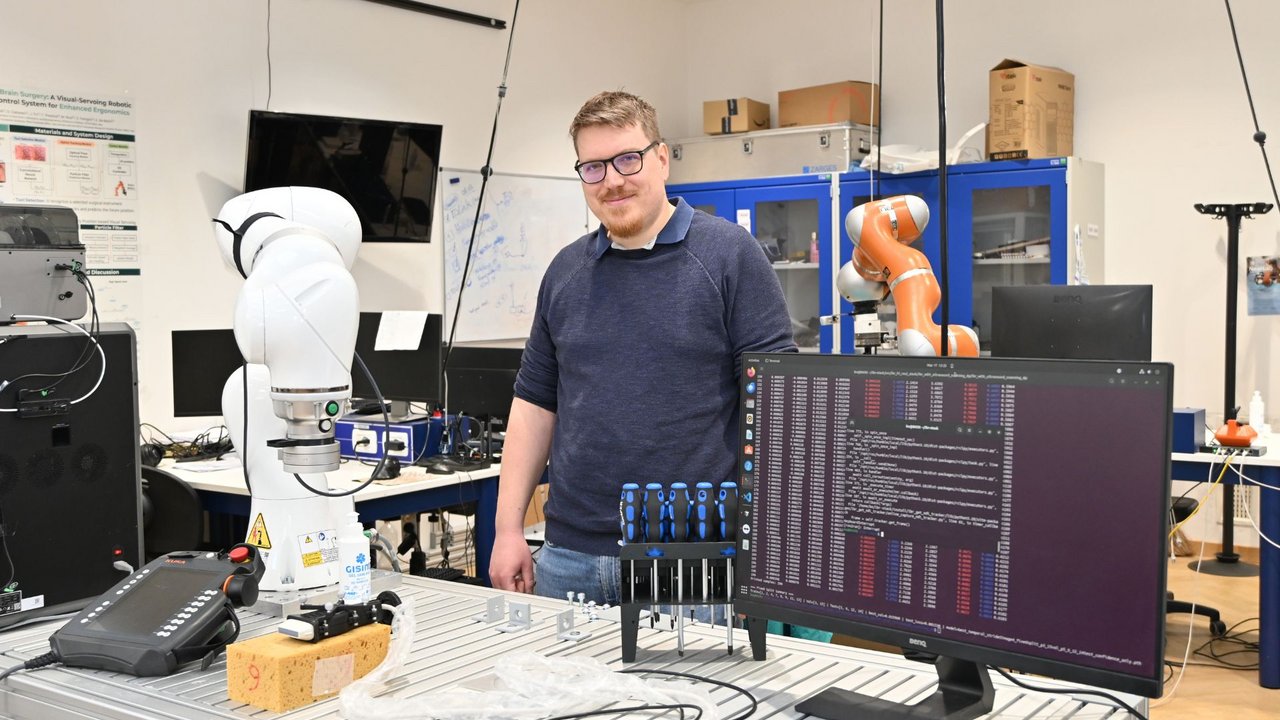
In Antonietti’s words one finds one of the most fertile tensions in contemporary research: holding together the complexity of basic science and the desire for a concrete impact on people. Models, he explains, are still “building blocks” of knowledge, but it is precisely from there that, over time, a new ability to read the brain and intervene more precisely can arise. With one further conviction, also matured outside one’s own comfort zone: innovation is never born alone, but from the meeting of skills, disciplines and different perspectives.
Related stories

Geopolitical instability, health crises: the risks in the pharmaceutical supply chain, and how to manage them

BAMBI: when research meets life
A safe, accessible, and easy-to-use device to counter postpartum haemorrhage.

The voices of violins and patients. Mirco Pezzoli’s research leads to an AI that listens to the heart
Music, science and healthcare: an unexpected trio. But perhaps not, according to Mirco Pezzoli, Researcher from the Department of Electronics.

Smart Eyewear Lab: The Glasses of the Future Are Now a Reality
Exploring the joint research centre created by Politecnico di Milano and EssilorLuxottica

Breaking down barriers so that all children experience sport as a moment of inclusion
Technology to support a school that promotes the physical and psychological well-being of its students
You might also like
Building in Balance
Matteo Scagnol and Sandy Attia of MoDus Architects discuss an architecture shaped by the tension between landscape and infrastructure, rules and freedom, materials and climate change.

From circuit to laboratory
The collaboration with the Politecnico as seen by Autodromo Nazionale Monza
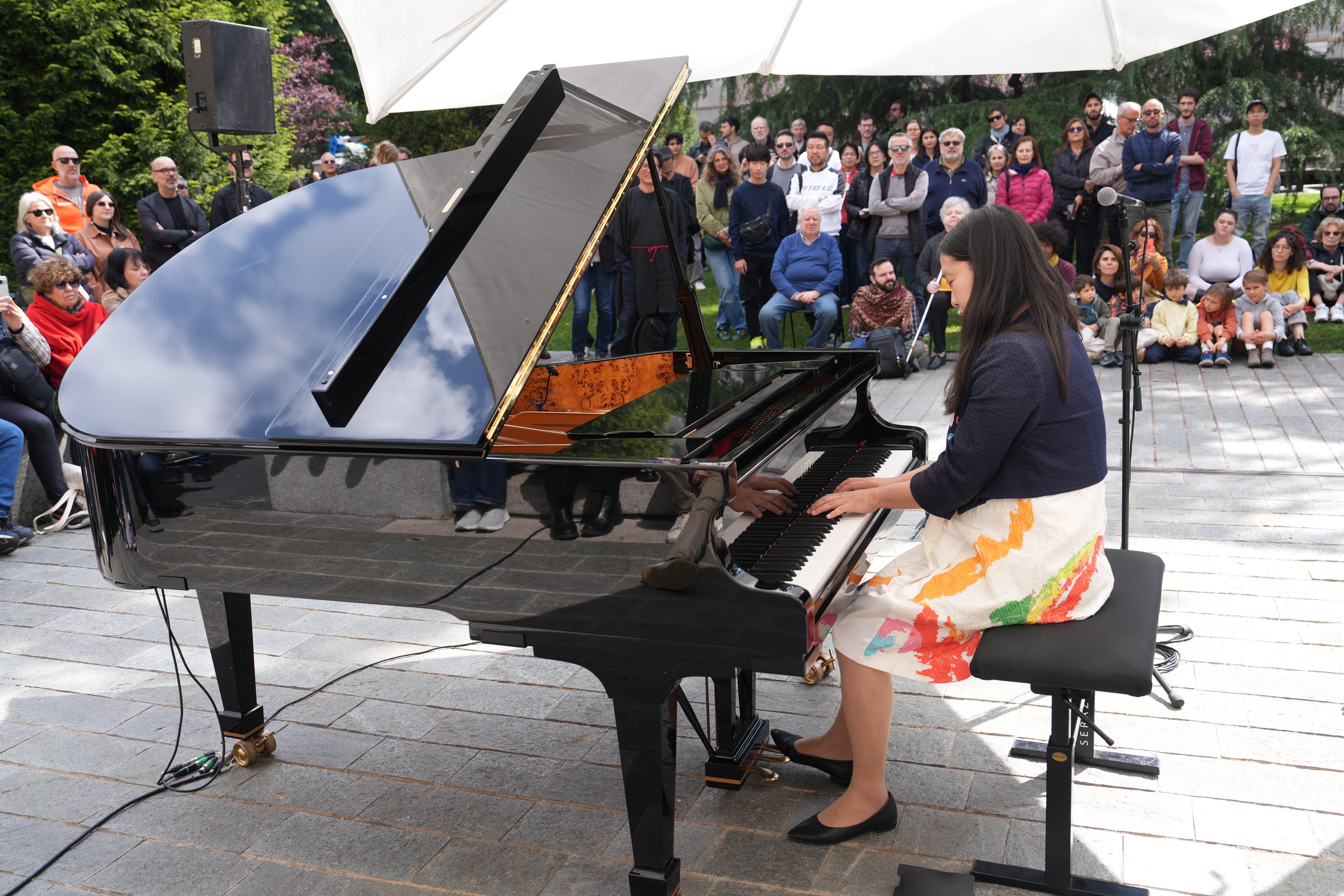
The creative force of mathematics, in the words of Sachiko Nakajima
The scientist and pianist is a tireless promoter of topics such as STEM, diversity and inclusion. In this interview she told us about her artistic world and her vision of mathematics.