

#IlPOLIMIrisponde: What is space design?


Space design is a young discipline that has established itself thanks to the multiplication of interplanetary human missions and private companies which today seek to develop an area of spatial habitability linked to the commercialisation of space.
This means that the role of design can go beyond the primary needs of comfort and wellbeing of astronauts and cater for the needs of the space tourists, to offer them unforgettable experiences.
Spatial designing requires a specific methodology: the Use and Gesture Design, that focuses on human beings and their needs, leading to greater performance which have a decisive influence on the success of space missions.
Annalisa Dominoni, Professor of Space Design, talks about it.
Related stories

“I Wanted to Become an Astronaut. Today I Help Astronauts Prepare for Mars”
A simple Holter monitor could track cardiovascular fitness during space missions

A sustainable future for lunar orbit
Dozens of missions are about to reach the Moon: a “waste sorting” system for their satellites is already needed today.

What if the answer to “Are we alone in the universe?” is hidden in a laser?
From laser physics to the search for habitable planets: a forty-year scientific journey. With NIR AstroComb, near-infrared becomes the key to discovering new worlds.

Microgravity, macro questions: COLIS, twenty years of physics from Earth to space
In microgravity, lasers and light analysis allow us to observe how gels and soft materials rearrange themselves over time.

Navigating the future: deep learning innovation for space vehicles
Stefano Silvestrini discusses the challenges of autonomous driving, navigation and control in Space.
You might also like
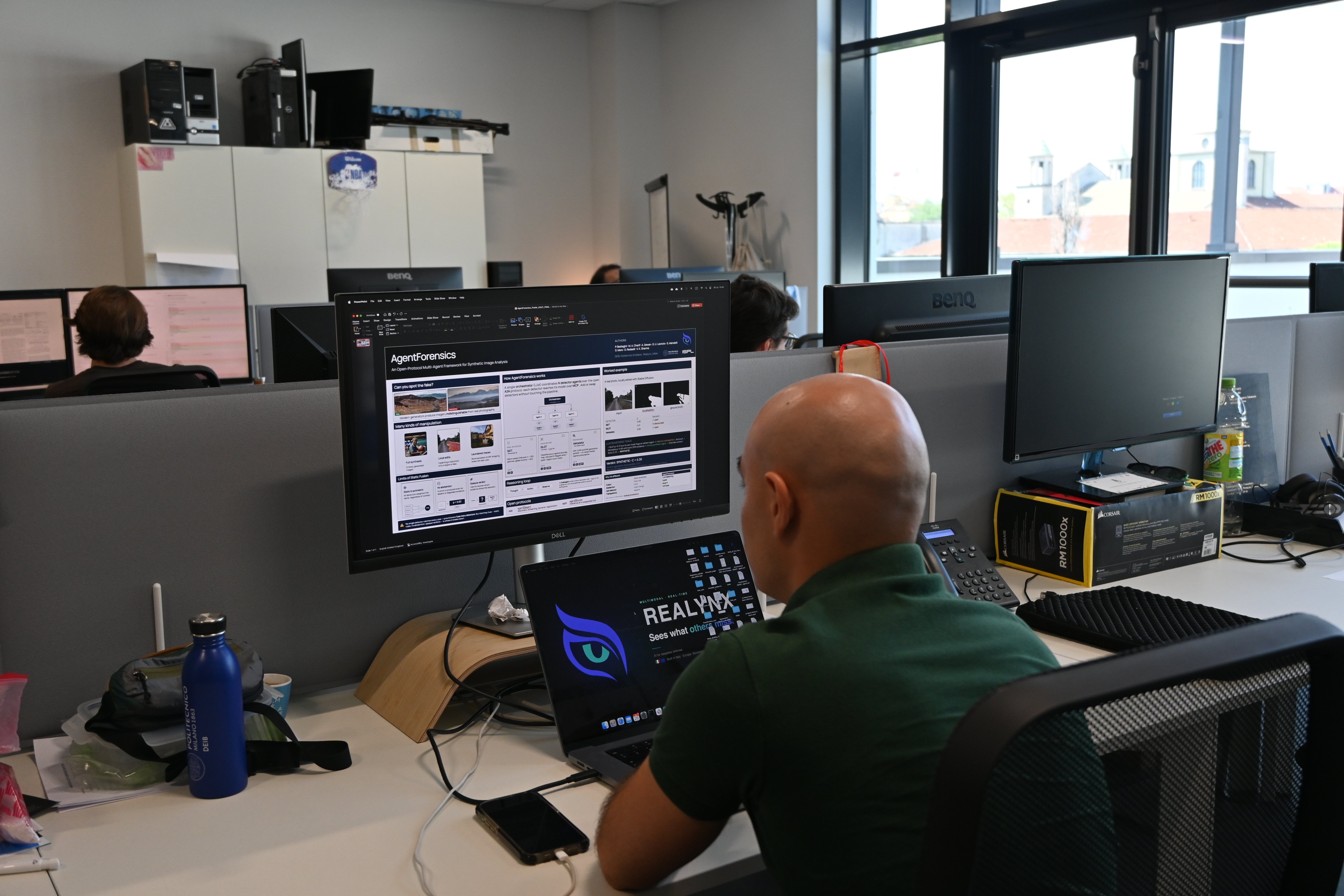
Beyond true and false: recognising synthetic content in the age of AI
From cloned voices to deepfakes, the challenge is no longer just to distinguish what is true from what is false, but to understand how content has been produced, transformed and used.
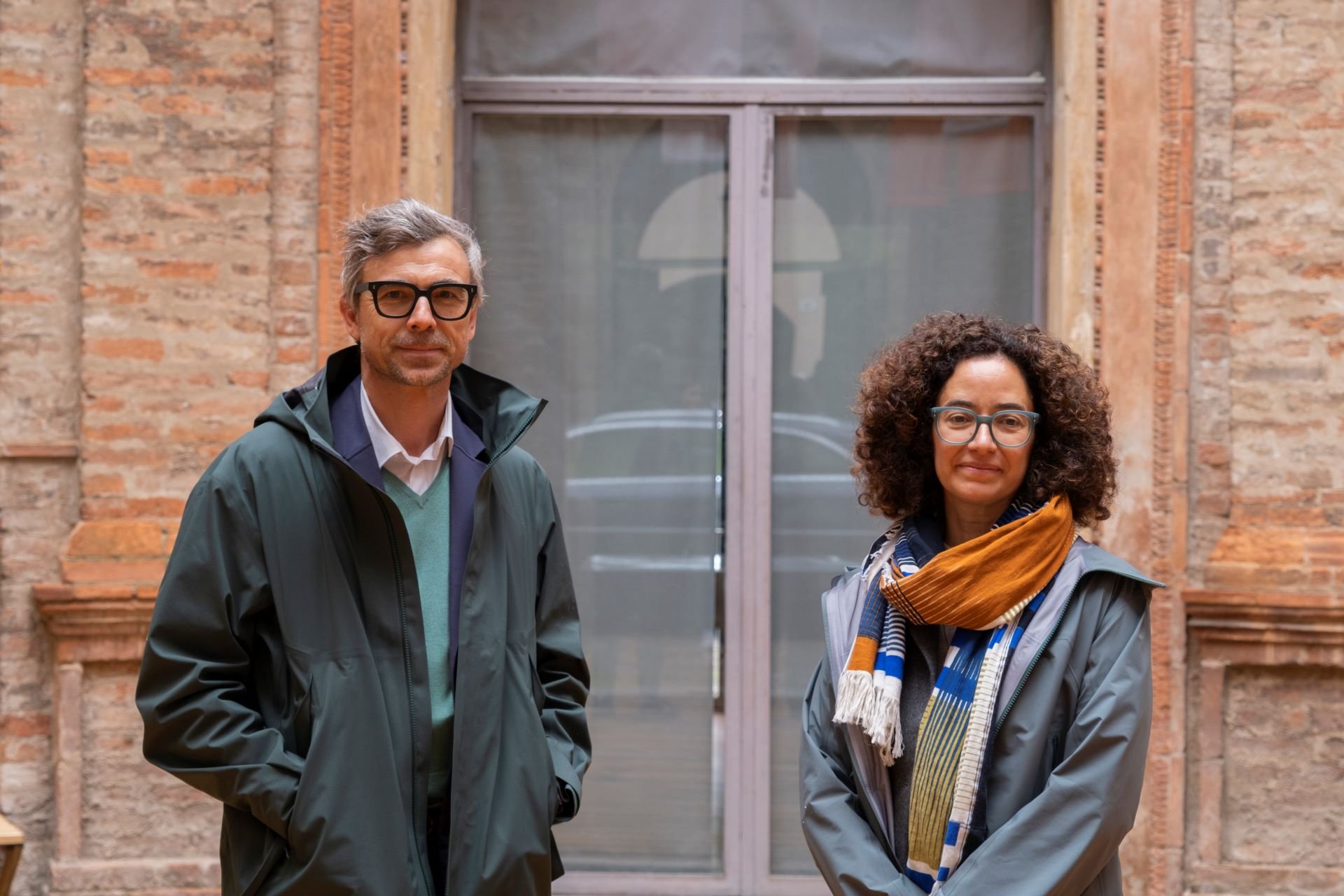
Building in Balance
Matteo Scagnol and Sandy Attia of MoDus Architects discuss an architecture shaped by the tension between landscape and infrastructure, rules and freedom, materials and climate change.

Who owns Milan? Map reveals forces reshaping the city
The financialization of the real estate market and its effects on urban development dynamics

Technology in the desert: how to map in 3D Egyptian and Roman excavations using photogrammetry
An interview with Alessandro Mandelli, a veteran for Politecnico di Milano's excavations in Egypt

Reading Maps: The Taste of Discovery
Jessica Gritti discusses the research on the Maps section of the Civica Raccolta delle Stampe “Achille Bertarelli”: from cataloguing and new international connections to the value of collaboration between universities and cultural institutions.