

#ilPOLIMIrisponde: How does a kitesurf fly?


Kitesurfing is a wind-based sport where the kiter can travel on water or snow propelled by a large kite connected directly to the kiter.
The kite has an aerodynamic shape similar to the wing of an aircraft wing; the upward force of the wind into the kite – lift – counteracts the downward force of weight – drag of the kite – and is added to the thrust, i.e. the traction given by wind itself.
There are several parameters that affect the way a kite flies.
Riccardo Mereu, Professor of Innovative Technologies for Energy, explains them.
Related stories

Research Takes to the Track at Monza
The agreement between Politecnico di Milano and the Monza National Circuit creates an open-air laboratory for safety, sustainability, materials, mobility and major events.

Art, science and technology in the unique design of Horacio Pagani’s hypercars
A close-up with the Italian-Argentinian entrepreneur, founder of Pagani Automobili, who revolutionised the automotive sector with his talent

The Colnago Legend: Cycling as Art and Ingenuity
The Colnago legend: cycling as art and ingenuity

Sustainable tourism and mobility with Borghilenti
The first solidarity hostel along the VENTO cycle path inside the refurbished Casa Peroni at Castelnuovo Bocca d’Adda

Technology, safety and comfort: how local public transport is changing
Sensors, intelligence and connections for new smart vehicles
You might also like

Inside high-altitude rock
How climate change triggers Alpine landslides

Where research impact begins
Technology transfer takes knowledge and inventions beyond the laboratory, along a path shaped by expertise, encounters and choices.
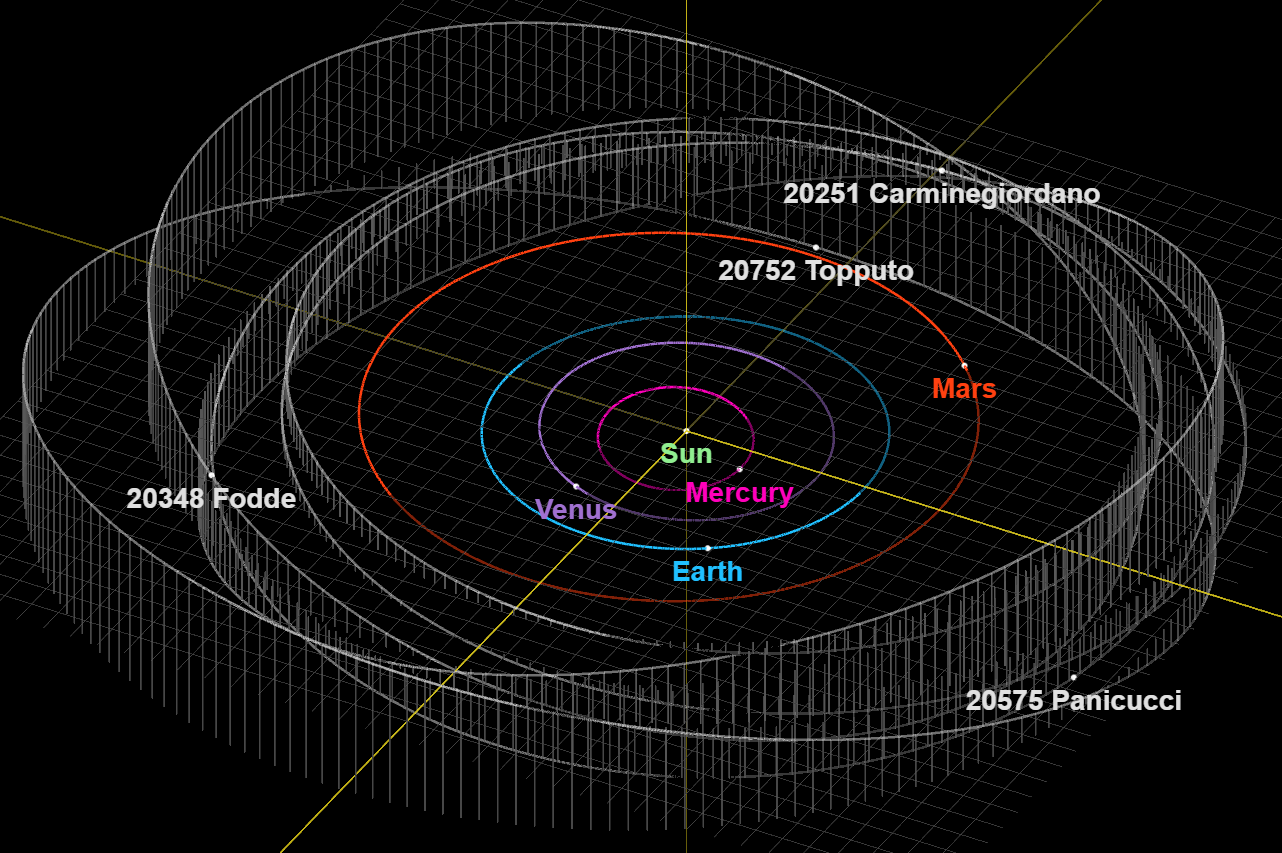
Four asteroids for Politecnico di Milano’s DART Lab
The International Astronomical Union has named four small bodies of the Solar System after Francesco Topputo, Iosto Fodde, Carmine Giordano and Paolo Panicucci: a recognition of the scientific and technological work of the laboratory of the Department of…

The Roots of a Resilient City
Join Professor Andrea Galli as we explore GeoT-LAM, where geotechnical engineering investigates the complex interplay between trees, soil and water to help design safer, more resilient cities.
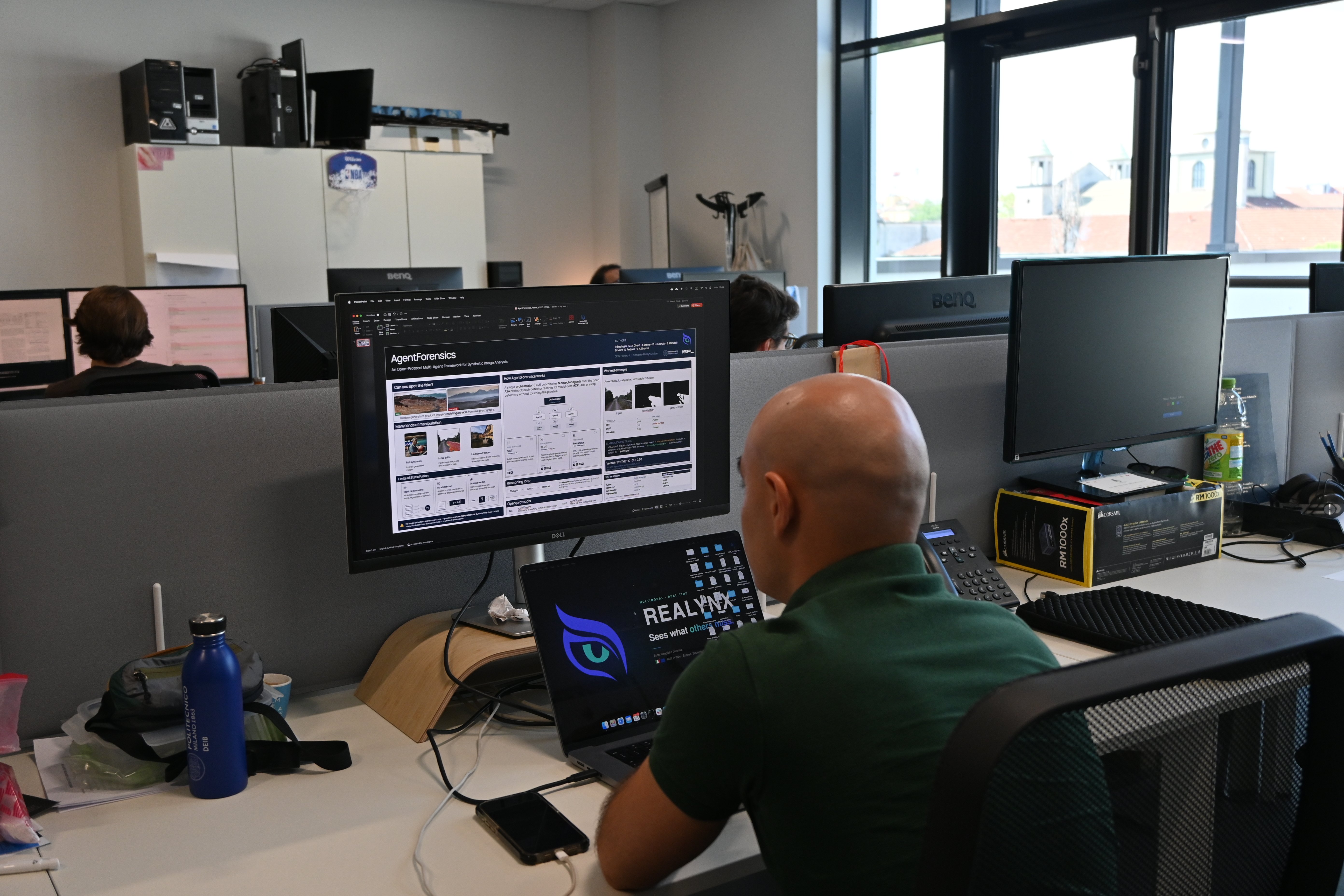
Beyond true and false: recognising synthetic content in the age of AI
From cloned voices to deepfakes, the challenge is no longer just to distinguish what is true from what is false, but to understand how content has been produced, transformed and used.