

 by
by 
From the Architectural Design and History programme to MantovArchitettura, moving through sports, theatre and study trips, the memory of a professor who transformed a small university campus into an internationally attractive site. Her testimony adds to that of Deputy Rector Emilio Faroldi, and that of Emanuela Bergomi, Bucci’s wife, completing a collective portrait of his work and his legacy.
What did teaching in Mantua mean to him? What was his relationship with the city and its architecture?
It was an ambivalent relationship. Together with Luigi Spinelli, he created the Magistrale (equivalent to Master of Science) programme in Architectural Design and History by converging both design and history. Federico invested all his energy in the project. He taught in English, and was convinced that history was a driver for young people and global education.
What about his relationship with students?
The bond was intense and direct, often informal, but always demanding. He expected a lot from them. However, he was also open to discuss any doubts and issues. One of the most important lessons I learnt from him was that the barrier between teacher and student must never be too rigid. We often learn more from young people than the reverse.
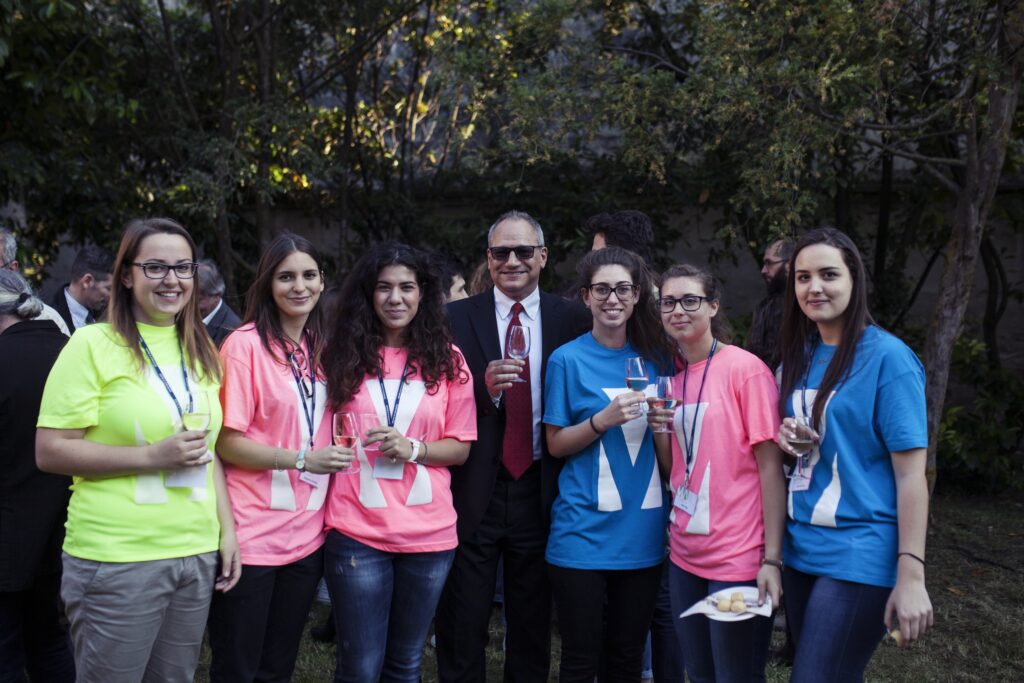
This idea led him to maintain a lively and almost “light-hearted” relationship with the student community. He organised optional courses on topics he was passionate about, such as writing and history.
What can you tell us about his relationship with the city of Mantua?
His relationship with the city was not always easy. Mantua is a small and geographically isolated city. Federico Bucci expertly turned this condition into a strength. With MantovArchitettura and by inviting internationally renowned visiting professors, such as Souto de Moura, he created a united and vibrant academic community, thus transforming the city into an ideal lab. The citizens of Mantua loved him. Indeed, people from outside the university attended his conferences. This indicated the rare dialogue established between the city and its academic environment.
His legacy is still alive today. When I think about all the work done by Federico, I clearly see his vision of converging both the university and the city. The project continues even after him, thus indicating that the pieces he put together are still effective.
Souto de Moura was very close to him. How did he contribute to the academic life of Mantua?
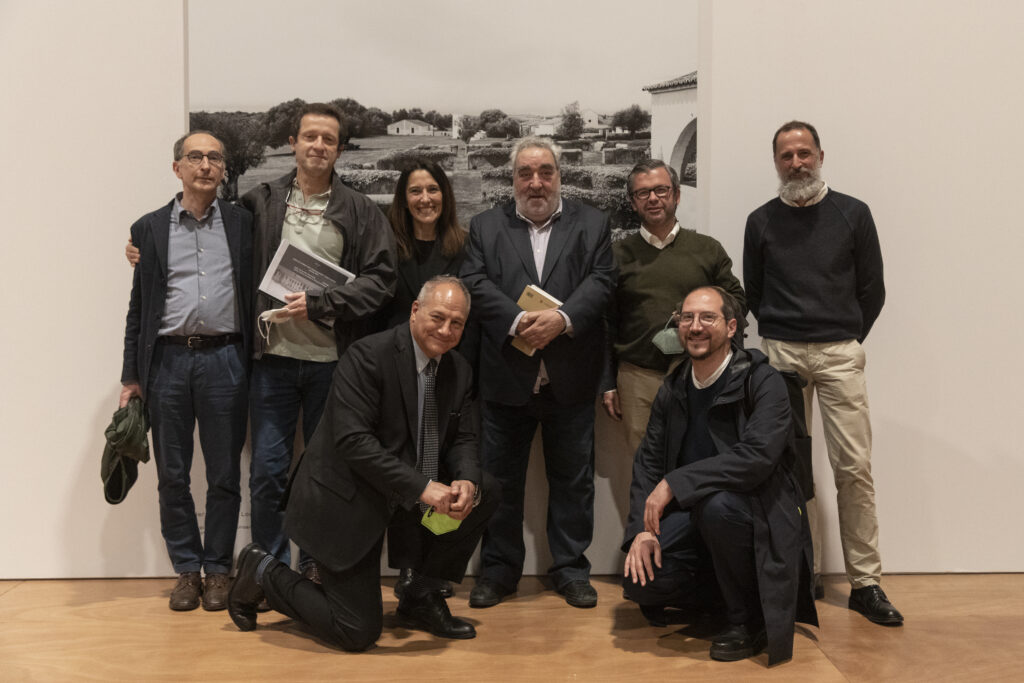
He was especially esteemed by the students. Though he spoke little Italian and English, he had an extraordinary way of working with them. Whoever stepped into his lab left it charged with enthusiasm. Federico often said that, since Mantua was far removed from the initiatives of Milan, it was essential to offer students this standard of experience.
Souto de Moura brought other famous names along with him, including Rafael Moneo, Carrilho da Graça, and several architects who had been awarded the Pritzker Prize. All were drawn to this small environment Federico was creating in Mantua. This had a significant media impact. It helped to increase the number of enrolled students, which has continued to steadily grow over the years. International students came along as a result of lectures held in English, also including Italians from Rome, Sardinia, and distant regions. It was an absolute novelty for the campus in Mantua, whose main attendees had been local students, until then.
Hence, the Mantua campus became attractive to students.
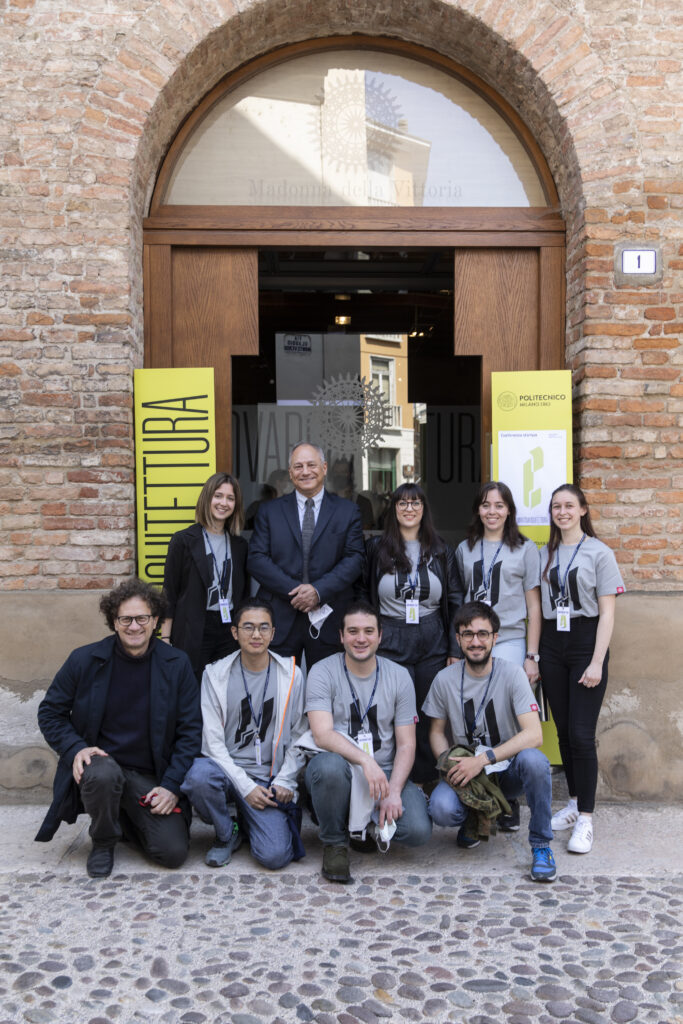
Absolutely, a genuine magnet. There were other emblematic initiatives, in addition to MantovArchitettura, which was his most representative creation. For instance, he held the opening of the academic year also in Mantua, with an inaugural lecture given by leading architects. It was a way of giving international students a special welcome to the campus.
A powerful sign of change.
Yes, but Federico didn’t stop there. He wanted students to enjoy the campus, which is small. He loved sports, and encouraged them to play soccer. He rented sports fields and gyms, and had ping pong tables set up. One of his last ideas, which unfortunately he did not have time to implement, was the creation of actual sports fields at the campus.
So he included sports as part of education.
Yes, he did just that. And not only sports. For several years he organised a drama course with a local company, an experience that was crowned with a final show. Last year, for instance, the show was included in the concluding parade of MantovArchitettura. It was his way of encouraging students to step out of academic canons by cultivating other interests, such as drama, music, and sports.
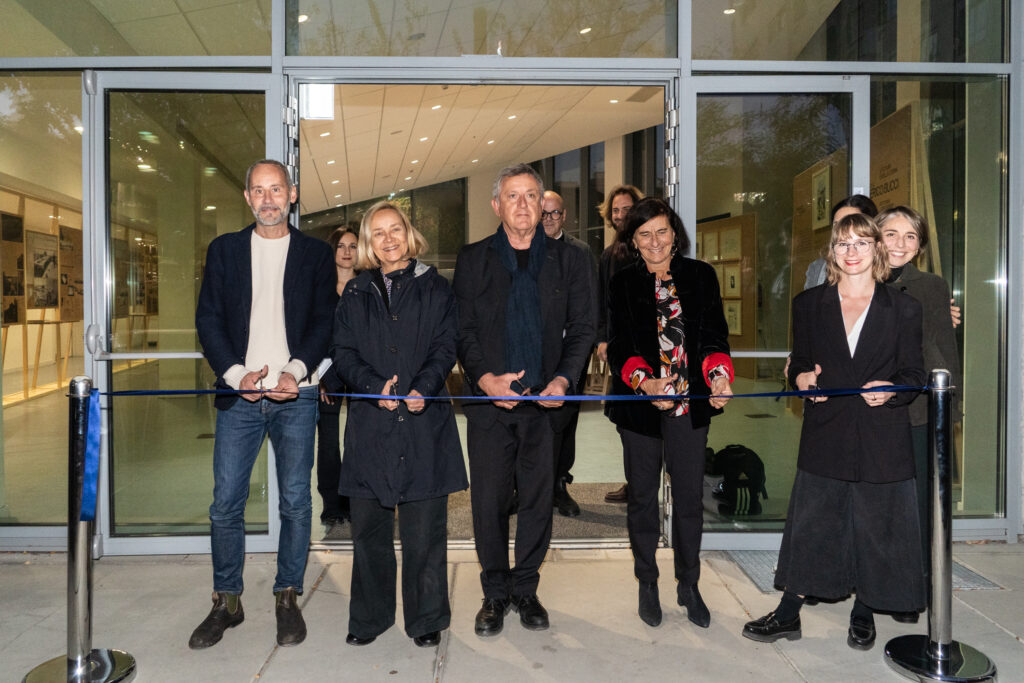
From the left: Stefano Capolongo, Donatella Sciuto, Emilio Faroldi, Emanuela Bergomi and Elisa Boeri
A legacy that remains.
Yes, Federico believed that both students and professors should adopt a multi-faceted approach. He also taught me to trust other people’s skills. He would say, “You do your part well, and leave the rest to those who know their job”. This is a principle I try to pass on to young people: respect for roles, and trust in professional expertise.
What is something you learnt from him that you cherish?
Taking students to see architectural works in person. Study trips, visits to architectural works. This is the only way one can acquire a deep understanding of a project. This is the lesson I follow to date. I consider it his most precious legacy. Last year, for instance, we organised a trip to Finland, to visit Alvar Aalto. These experiences require time, not just a rush visit. It is the only way we can truly understand a work.