

The Wind Tunnel celebrates twenty fantastic years

Do you know how champion skiers or cyclists manage to gain those precious seconds? Or where they test skyscrapers like the three Citylife towers in Milan to see if their glass façades are wind resistant? Or where the structure for the futuristic Al Janoub Stadium in Qatar or the third bridge over the Bosporus in Turkey were tested? They were all “given the thumbs up” by the Wind Tunnel at the Politecnico di Milano (GVPM), one of the biggest wind tunnels in the world.
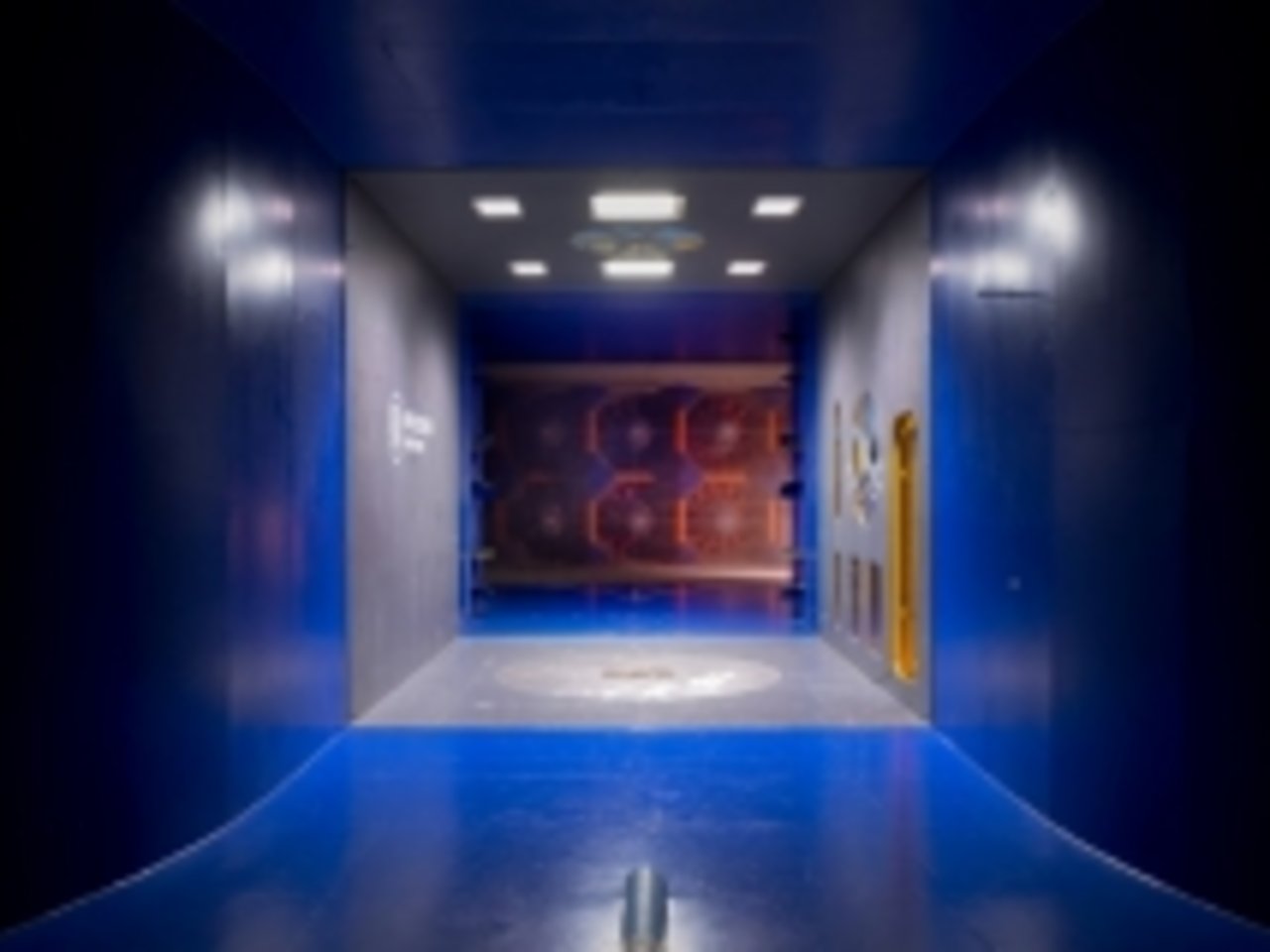
Created in the autumn of 2001, this year the GVPM celebrates its 20th anniversary and is today one of the university’s Large infrastructures, where 3 departments in particular carry out their activity: Mechanical Engineering, Energy and Aerospace. But the laboratory is available for use by the whole university.
7 people work here full time, managing system operations, fine-tuning and carrying out testing, while another 30 or so researchers and professors are involved in research. Furthermore, over 30 students carry out their thesis here for their Laurea (equivalent to a Bachelor of Science) or PhD.
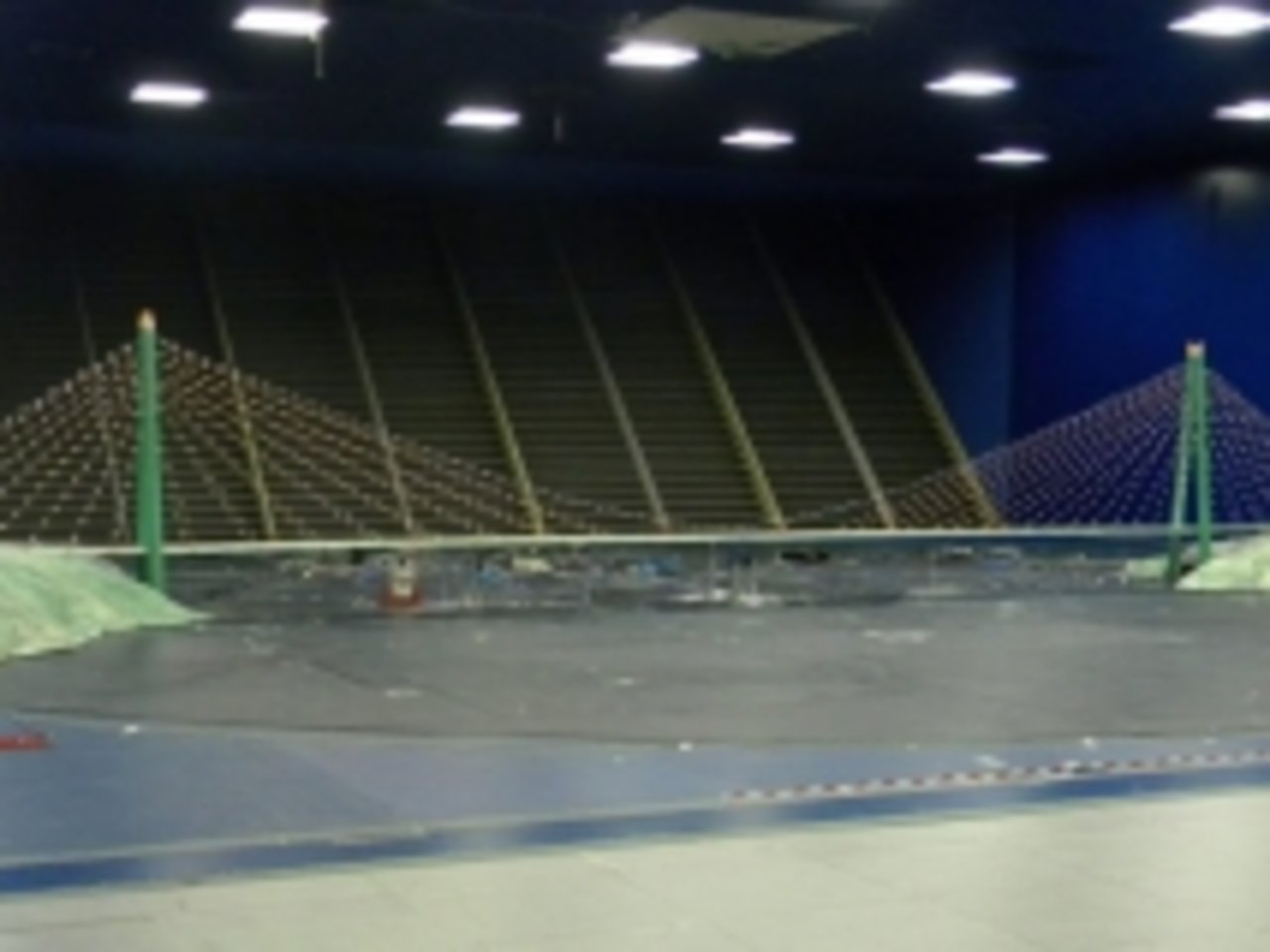
Featuring fluid-dynamics entirely designed at the Politecnico, complete with a scale model, it boasts an unusual design with two testing chambers. The boundary layer section (14m x 4m) is particularly suitable for testing objects subjected to the action of the wind, such as bridges, skyscrapers, stadiums and large roof structures; this section is used a great deal for research in the wind energy sector.
Related stories

“I Wanted to Become an Astronaut. Today I Help Astronauts Prepare for Mars”
A simple Holter monitor could track cardiovascular fitness during space missions
Art, science and technology in the unique design of Horacio Pagani’s hypercars
A close-up with the Italian-Argentinian entrepreneur, founder of Pagani Automobili, who revolutionised the automotive sector with his talent

Ultra short laser pulses to study matter
Margerita Maiuri uses laser to study matter

Sailing towards change: innovative and sustainable yacht design
Can a passion become a profession? Arianna Bionda reveals how

How Much Randomness Is There in Jazz Improvisation? Maciej Lewenstein, a Theoretical Physicist, Explains
His research is marked by a multidisciplinary approach and an insatiable curiosity, leading him around the world.
You might also like
Beyond true and false: recognising synthetic content in the age of AI
From cloned voices to deepfakes, the challenge is no longer just to distinguish what is true from what is false, but to understand how content has been produced, transformed and used.
Building in Balance
Matteo Scagnol and Sandy Attia of MoDus Architects discuss an architecture shaped by the tension between landscape and infrastructure, rules and freedom, materials and climate change.

Who owns Milan? Map reveals forces reshaping the city
The financialization of the real estate market and its effects on urban development dynamics

Technology in the desert: how to map in 3D Egyptian and Roman excavations using photogrammetry
An interview with Alessandro Mandelli, a veteran for Politecnico di Milano's excavations in Egypt

Reading Maps: The Taste of Discovery
Jessica Gritti discusses the research on the Maps section of the Civica Raccolta delle Stampe “Achille Bertarelli”: from cataloguing and new international connections to the value of collaboration between universities and cultural institutions.