

The “Giulio Natta” Department of Chemistry, Materials and Chemical Engineering turns 20


On 11 November 2021, the “Giulio Natta” Department of Chemistry, Materials and Chemical Engineering of Politecnico di Milano celebrated its twentieth anniversary. A long history made up of great names and great research, which from the birth of the Politecnico to the present day has contributed to the development of innovations that still find their way into everyday life.
The Department has collected the legacy of the departments of “Chemistry”, “Industrial Chemistry and Chemical Engineering, and” Applied Physical Chemistry “, founded in 1981 and descendants of the institutes of” Industrial Chemistry “,” General Chemistry “and” Physical Chemistry, Electrochemistry and Metallurgy “. These three institutes, with various name changes, were the result of the Gentile Reform of 1923 and the almost simultaneous inauguration of the University’s Città Studi headquarters. On that date the name of Regio Politecnico di Milano was also consolidated.
A long history made up of great names and great research, which from the birth of the Politecnico to the present day has contributed to the development of innovations that still find their way into everyday life.
The innovations that have impacted our life
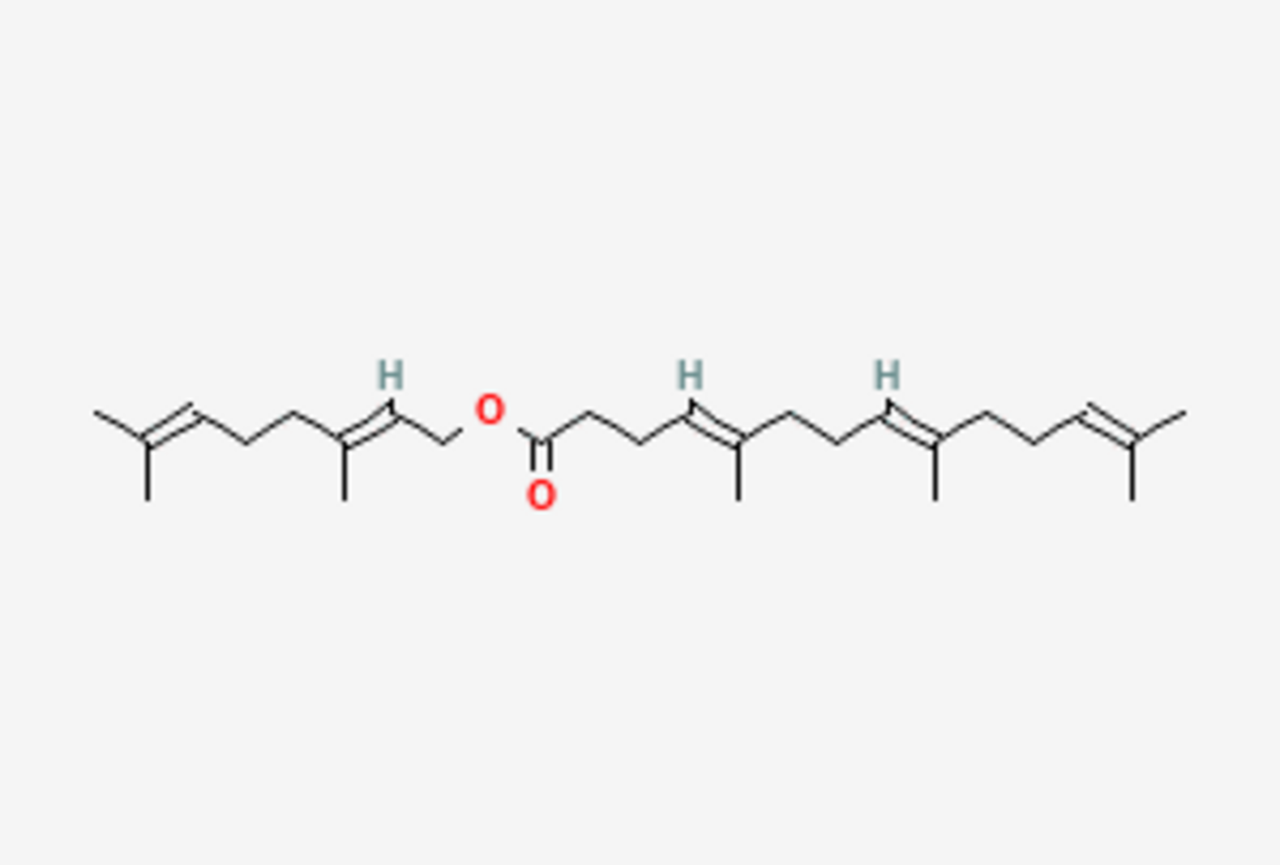
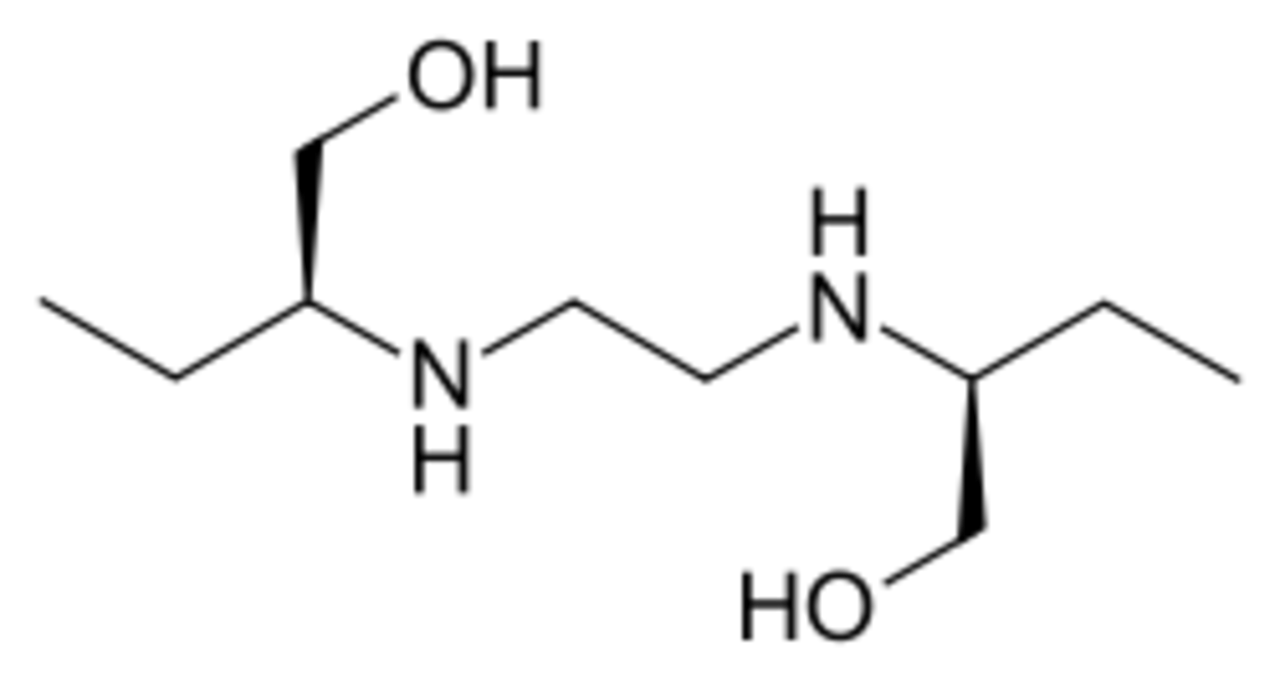
A feature of the chemical teachers who taught at the Milan Polytechnic has always been the combination of science with the resolution of practical problems that were posed by the Lombard and national industry. So not just polypropylene, a polymer whose annual market is worth 145 billion dollars. A short list includes cathodic protection, corrosion inhibition system, many chemical processes of inorganic, organic and metallurgical chemistry, the development of two drugs from natural substances, the development of catalysts for catalytic converters, as well as development of computer codes used to design chemical equipment that have now become an international standard.
A step backwards: the origins of chemistry at the Politecnico di Milano
At the time of its inception, the Politecnico (then Regio Istituto Tecnico Superiore di Milano) included a “Three-year training school” for the diplomas in civil engineering and mechanical engineering that had only one course in chemical subjects called “Manipolazioni chimiche”, taught by Agostino Frapolli. Frapolli had succeeded Antonio Kramer, Dean of the first school of chemistry in Milan, the Mylius School of Practical Chemistry, whose courses were held in Piazza dei Mercanti at the Society for the Encouragement of arts and crafts. In 1867, the department of technological chemistry was founded for future mechanical engineers (with Angelo Pavese).
The first real course in general chemistry was taught by Luigi Gabba, a leading figure in Milanese chemistry at the turn of the 19th and 20th centuries, who was also a professor of analytical and organic chemistry. Thanks to Gabba, in 1883 the “Laboratory of Technological Chemistry” was founded, later directed by Ettore Molinari. It did not use any of the Politecnico facilities, and was taught within the Faculty of Agriculture of the future University, as was organic chemistry, taught by Angelo Contardi.
In 1900 the laurea in Industrial Engineering was established in the chemical subsection. Two years later, thanks to the contribution of the Cassa di Risparmio delle Provincie Lombarde, the “Principessa Iolanda Margherita di Savoia” School of Electrochemistry was founded, with laboratories located in the gardens of the Villa Reale in via Palestro. At that time the Politecnico was located in what we now know as Via del Vecchio Politecnico. The School was directed by Giacomo Carrara until 1925.
From 1925 to 1927 the course of Physical Chemistry was taught by Giorgio Renato Levi.

The coexistence with the other chemical institutions in Milan and the relationships with the companies
Between the 1910s and 1920s, there was a proliferation of Experimental Stations which, although not directly linked to the Politecnico, involved many of its professors. One memorable example is the “Laboratory School for the Paper Industry and the Study of Textile Fibres” or the “Experimental Station for Oils and Fats” which was headed by the Ministry of Industry and Commerce, with funding from Cariplo. The experimental stations were set up to meet the needs of the companies, in a pragmatic approach that was later also inherited by the Politecnico.
The University Reform and the arrival in Piazza Leonardo
In the 1920s, two events brought about transformations in the life of the University: the Gentile Reform of 1923 reorganised the universities, while the inauguration of the new campus in Città Studi in 1927 guaranteed enough space to accommodate the growing demand for studies in chemistry. The same year saw the inauguration of the new Institute of Industrial Chemistry directed by Mario Giacomo Levi (who succeeded Ettore Molinari) and Oscar Scarpa was given the chair of Electrochemistry, which would later gave rise to the Institute of Physical Chemistry.
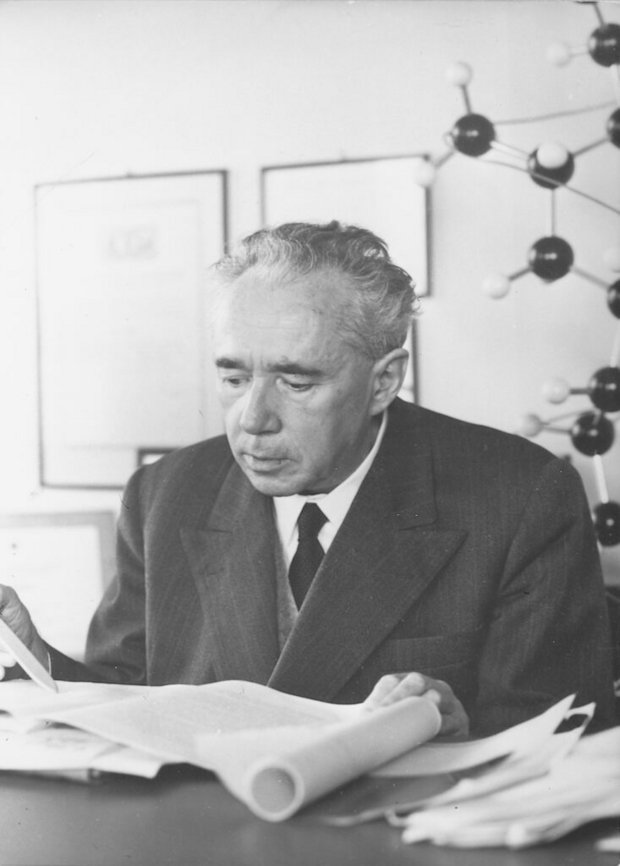
Giuseppe Bruni, on the other hand, was head of the chemistry laboratory and, in 1925, with the collaboration of Pirelli, he set up the Roentgenography Research Centre (for studies on X-rays). His students included Giorgio Renato Levi, who would focus on general chemistry, Adolfo Quilico, who would teach organic chemistry, and Giulio Natta, who would become both a professor of analytical chemistry from 1925 to 1933, and the cornerstone of the chemistry scene in Milan.
In 1940, with the growing demand from the industrial world, the chair of industrial plants was created, held by Giuseppe Pastonesi; in 1946 the first laurea in chemical engineering was launched.
Related stories

Building the future, layer by layer
From intelligent 3D printing to bioprinting, Bianca Maria Colosimo talks about the technology that brings together data, space, and life sciences.

The laboratory where fabrics become building materials
At the Textiles Hub, experimentation, design and technology rethink the way we build

From the reactor to the future: we shall tell you about CESNEF
Safety, knowledge and innovation. This is how the Enrico Fermi Study Centre has transformed nuclear research at the Politecnico di Milano into a permanent laboratory of ideas and skills

From micro to macro: the laboratory studying surfaces immersed in the future
Discovering SoLINano Σigma, that combines physics, chemistry, engineering and architecture

Wind Tunnel: aerodynamics in pursuit of Sporting Excellence
Journey to the heart of applied research in sport
You might also like
Beyond true and false: recognising synthetic content in the age of AI
From cloned voices to deepfakes, the challenge is no longer just to distinguish what is true from what is false, but to understand how content has been produced, transformed and used.
Building in Balance
Matteo Scagnol and Sandy Attia of MoDus Architects discuss an architecture shaped by the tension between landscape and infrastructure, rules and freedom, materials and climate change.

Who owns Milan? Map reveals forces reshaping the city
The financialization of the real estate market and its effects on urban development dynamics

Technology in the desert: how to map in 3D Egyptian and Roman excavations using photogrammetry
An interview with Alessandro Mandelli, a veteran for Politecnico di Milano's excavations in Egypt

Reading Maps: The Taste of Discovery
Jessica Gritti discusses the research on the Maps section of the Civica Raccolta delle Stampe “Achille Bertarelli”: from cataloguing and new international connections to the value of collaboration between universities and cultural institutions.