

Light, an essential ally for medicine, biology and cultural heritage


They are 14, the labs specialising in photonics at the Physics Department of the Politecnico. Their network forms the “Photonics lab for health, agri-food and cultural heritage”, where the study of light is used to develop innovative methods and techniques.
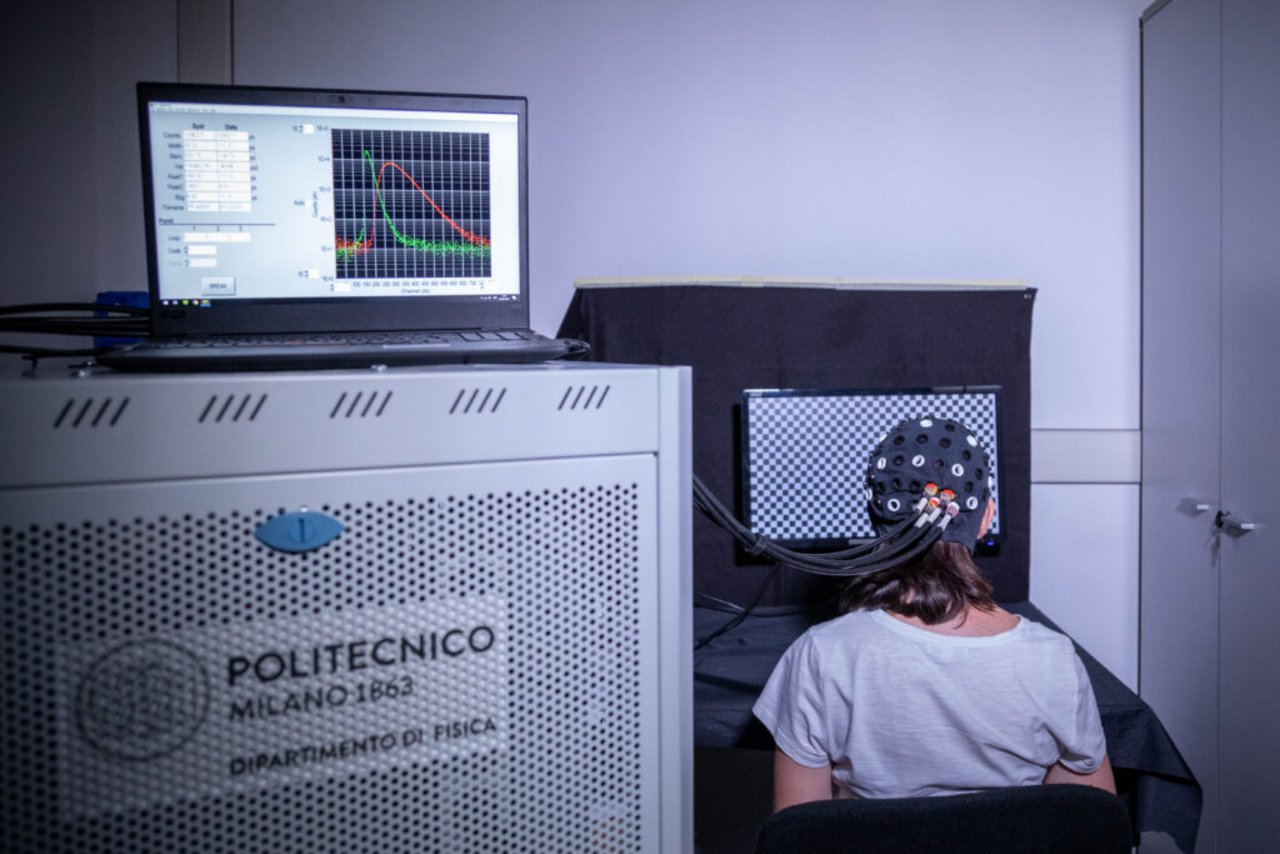
One of the many application fields is functional analysis of the human brain and muscles. It is functional spectroscopy in the near infra-red range, a non-invasive optical technique that allows to associate variations in optical parameters with those in the oxidative metabolism of oxygen. The functional Near Infrared Spectroscopy (fNIRS) technique is a viable alternative to traditional Functional Magnetic Resonance Imaging (fMRI) techniques due to its lower cost and easier handling. Furthermore, the fNIRS technique can be used in a natural environment and to study tasks requiring explicit motor or cognitive activity. In addition to the construction of theoretical models, the laboratory also develops actual prototype instruments with innovative components, which are wearable as a result of their miniaturisation.
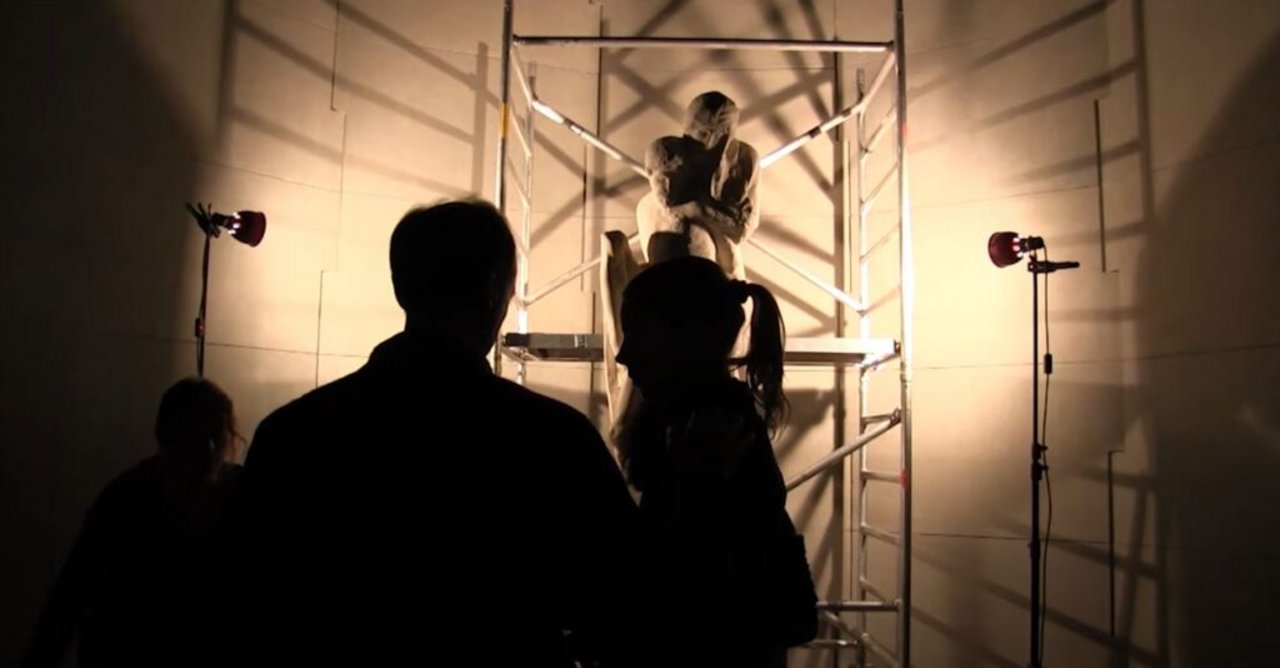
Even a field that is seemingly far removed from physics, such as art, benefits from the cutting-edge techniques of photonics. Indeed, ArtIS (Imaging and Spectroscopy for Art) techniques are useful allies for the conservation of historical and artistic heritage, as they provide important information both on the state of conservation of works of art and on the techniques used by artists to create them. This is achieved by using techniques such as optical spectroscopy and hyperspectral imaging.
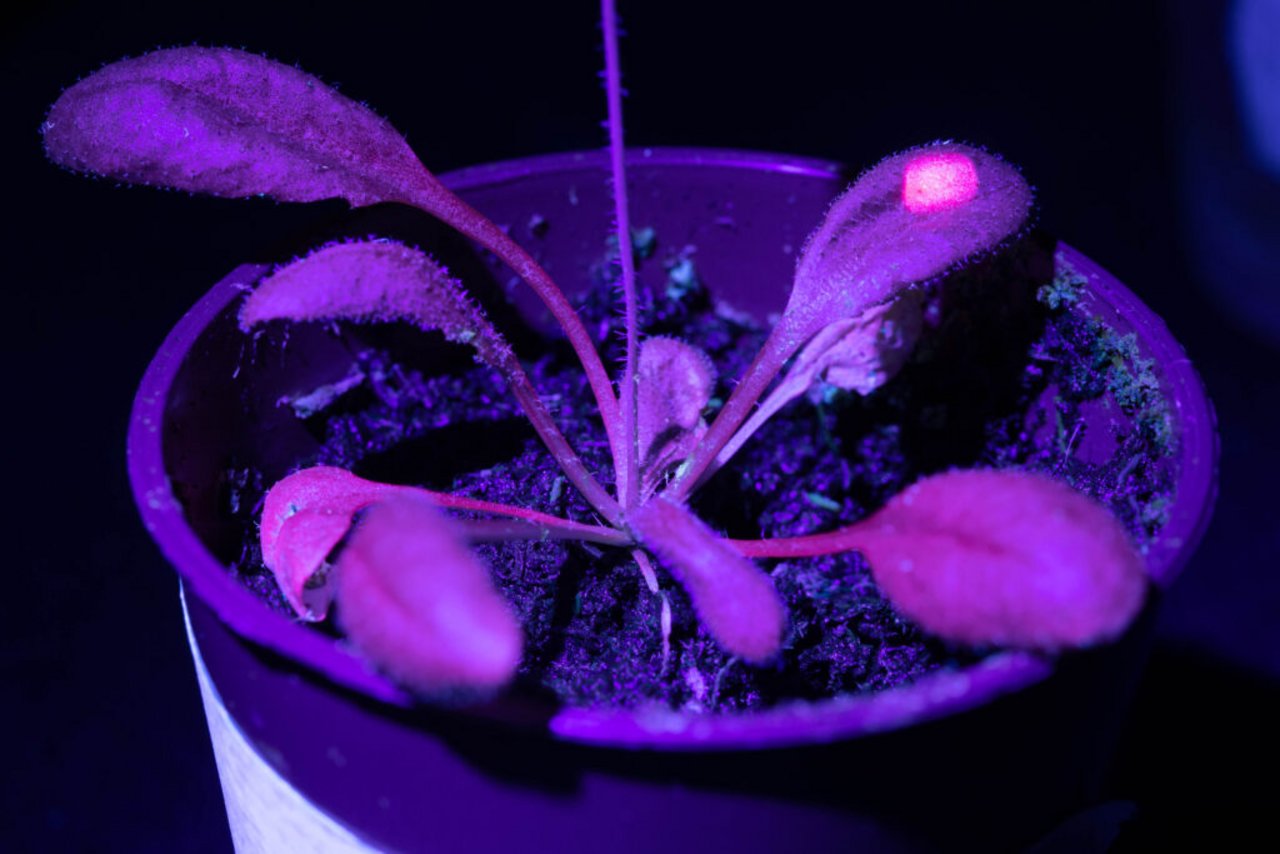
Finally, photonics can also be used in the biomedical field to study tissues, organs and organisms. Laser light allows plane-by-plane observation of the samples, thus allowing their 3D or even 4D reconstruction. Optical microscopy and tomography (OMT) is applied by using less expensive and less invasive instruments than standard ones to study the morphology of the brain and its diseases, cardiovascular disorders and cell regeneration, besides genetic properties that allow some plants to protect themselves from adverse external conditions. One of the pioneering projects is the ‘laboratory on a chip’, developed in partnership with the CNR (National Research Centre). An entire optical system is placed inside a tiny glass block, which makes it possible to study individual cells by using a super-resolution technique.
These and many other applications of photonics are illustrated in the video by Professors Paola Taroni and Daniela Comelli, and researchers Rebecca Re and Alessia Candeo.
Related stories
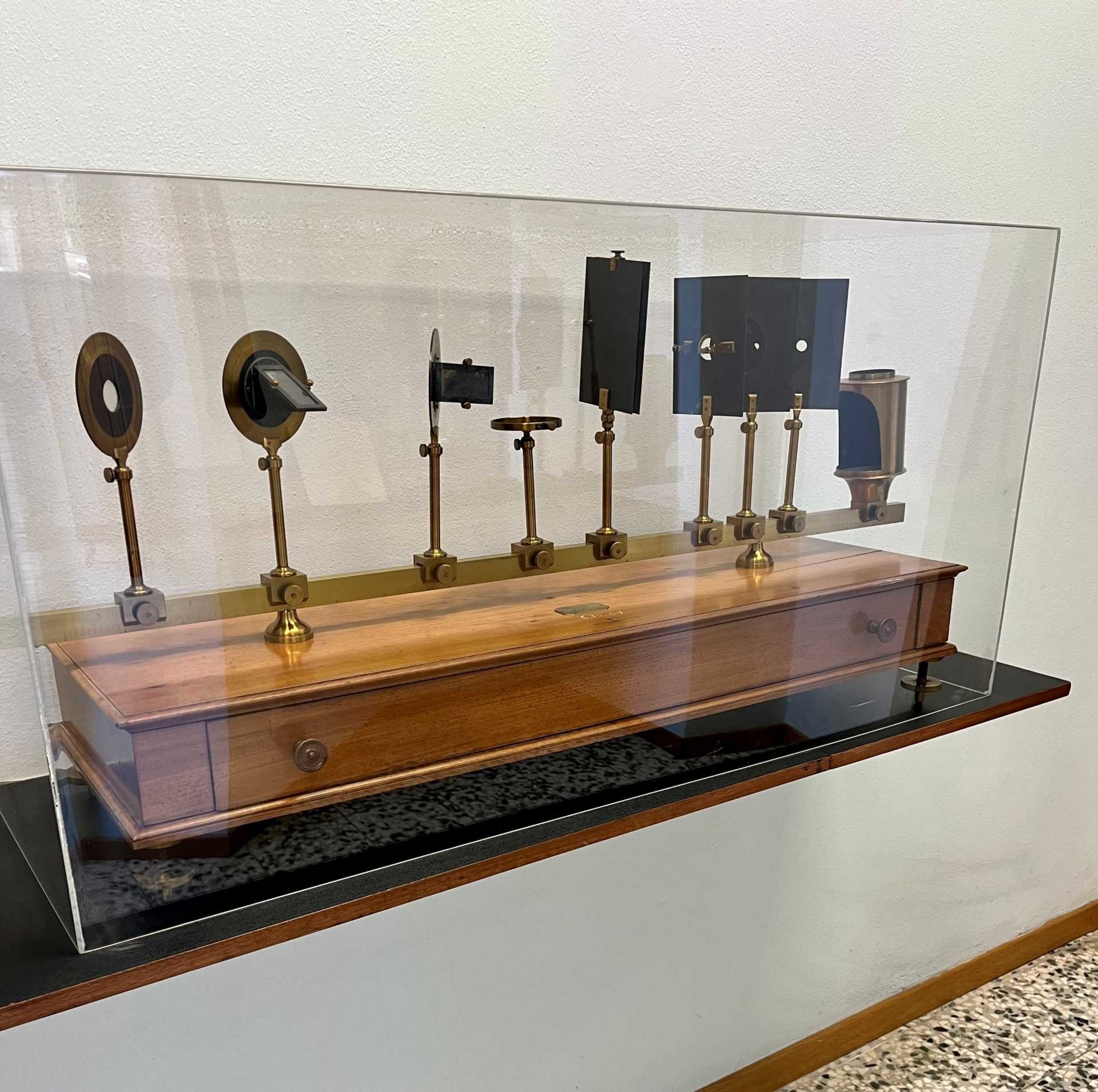
In the laser museum where physics tells its story
Period instruments and pioneering prototypes trace a century of research, all the way to ultrafast lasers and attosecond science.

From waste to value: CELLS research among silk, sustainability and nanofibres

Limitless energy for coin-sized sensors prototyped by MetaVEH project
Devices that sense vibrations in a bridge and transmit the data to monitor its structural stability.

Inside reactions: how catalysis works
Discovering the chemical process which affects us more than we think

900 tests in the wind tunnel for the cycling world champion TOP GANNA
Interview with Filippo Ganna, Olympic road and track cycling champion.
You might also like
Beyond true and false: recognising synthetic content in the age of AI
From cloned voices to deepfakes, the challenge is no longer just to distinguish what is true from what is false, but to understand how content has been produced, transformed and used.
Building in Balance
Matteo Scagnol and Sandy Attia of MoDus Architects discuss an architecture shaped by the tension between landscape and infrastructure, rules and freedom, materials and climate change.

Who owns Milan? Map reveals forces reshaping the city
The financialization of the real estate market and its effects on urban development dynamics

Technology in the desert: how to map in 3D Egyptian and Roman excavations using photogrammetry
An interview with Alessandro Mandelli, a veteran for Politecnico di Milano's excavations in Egypt

Reading Maps: The Taste of Discovery
Jessica Gritti discusses the research on the Maps section of the Civica Raccolta delle Stampe “Achille Bertarelli”: from cataloguing and new international connections to the value of collaboration between universities and cultural institutions.