

Gaetanina Calvi, the first female graduate of Politecnico di Milano

The presence of women at Politecnico di Milano dates back to 1888, when the first female student, Tatiana Wedenison,was enrolled. However, the first degree awarded to a woman was in 1913. In 1913, Gaetanina Calvi, the daughter and granddaughter of engineers, originally from Val Brembana, was the first woman to graduate in Civil Engineering from the Politecnico di Milano. After finishing her upper secondary studies at the liceo classico Parini in Milan with distinction, she enrolled in the Department of Civil Engineering, probably influenced by the profession of her forebears. She graduated with a mark of 85/100, a few years after the first female engineering graduate in Italy, Emma Strada (Politecnico di Torino, 1908).

After graduating, she began working freelance, first in Milan and later in Carate Brianza, where she moved to. She collaborated with the firm of the engineers Gardella and Martini in Milan and in 1925 she designed the new wing of the Institute for the Blind in Milan, together with the architect Faravelli. In the following years, she taught mathematics and science at this same institute, which only began to pay her for her work in 1928.

Gaetanina Calvi was a benefactor of the Institute’s Group Home with a generous bequest in 1933 at the death of her mother. She left teaching in 1940, at the outbreak of World War II, perhaps driven by the need to stay in Carate, considered a safer place, and not have to go to Milan every day. Although the biographical information about her is rather scarce, Gaetanina Calvi is remembered for her philanthropy as a benefactor of the neediest in society, as well as for her talent as an outstanding scholar. She continued her freelance work at an engineering firm in Carate Brianza, where she died in 1964.
Since 1913, the number of women at Politecnico di Milano has grown. In the year the first female Rector, Professor Donatella Sciuto, was elected, the proportion of women reached almost 34%.. Over the years, Politecnico di Milano has launched a series of initiatives to promote and encourage the presence of women. An example is the Gender POP programme, one of the main aims of which is to bring girls into STEM subjects, in order to attract more women to the university’s study programmes. Furthermore, it seeks to guarantee female students a welcoming environment that supports them during their studies, as well as to accompany PhD students and researchers in their professional career, offering support and training to ensure that they can also become role models for future generations of female students.

Related stories

Rediscovered time, rediscovered neighborhoods: smart working redesigns Milan and Europe
Ilaria Mariotti discusses the new geography of work, including urban scenarios, territorial policies, and new inequalities.

Architecture, memory, and resistance: a conversation with Ievgeniia Gubkina
The Ukrainian architect and historian guest of MANTOVARCHITETTURA 2025

Architect of Innovation: A Conversation with Svafa Grönfeldt
From biotechnology to design-led entrepreneurship, a career driven by transformation
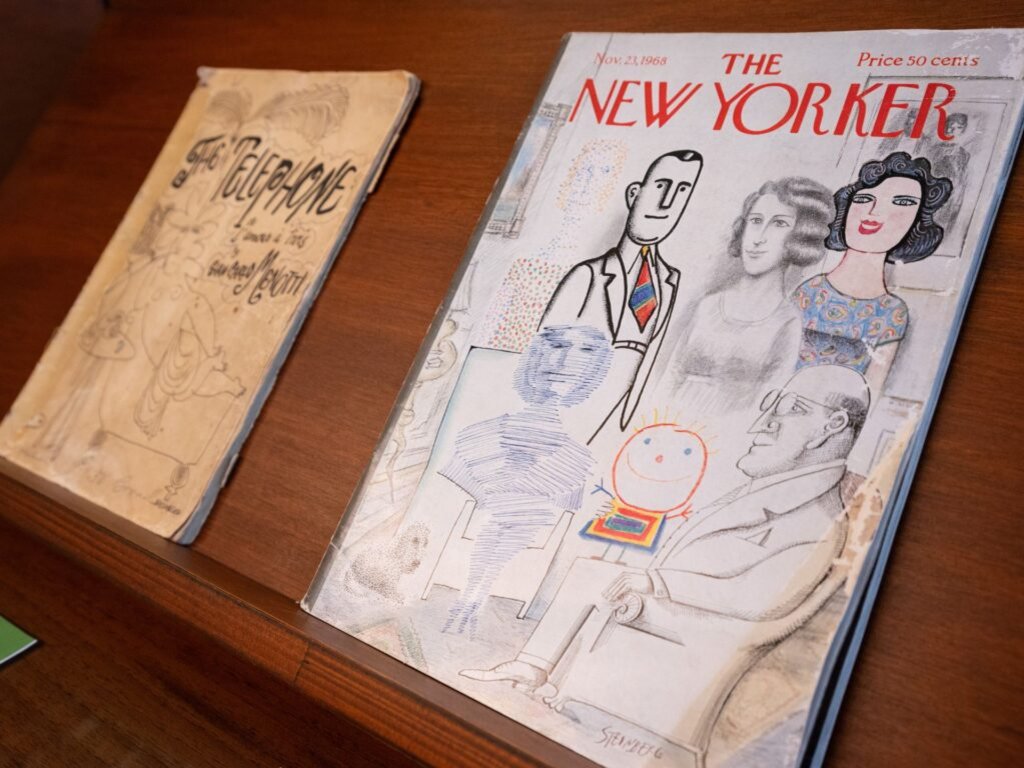
Saul Steinberg: from Politecnico to the New Yorker
Roberto Dulio tells the story of an extraordinary artist and architect, a Politecnico alumnus

Who are cities for? Marco Peverini’s research on housing and urban policy
How can we measure access to housing in a city like Milan today? Researcher Marco Peverini presents the analyses, data and perspectives of the Affordable Housing Observatory, exploring residential inequalities, urban policies and metropolitan-scale…
You might also like
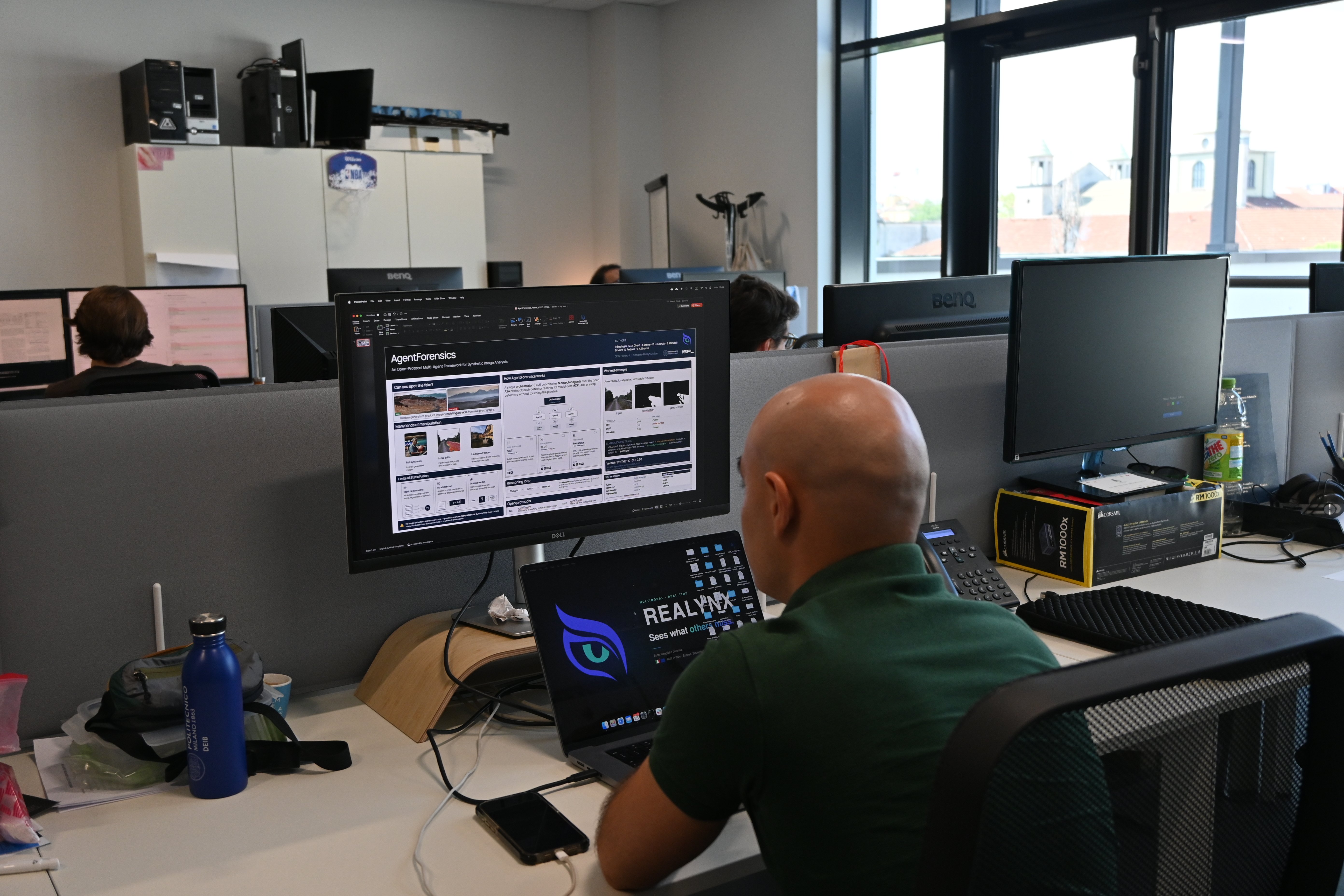
Beyond true and false: recognising synthetic content in the age of AI
From cloned voices to deepfakes, the challenge is no longer just to distinguish what is true from what is false, but to understand how content has been produced, transformed and used.

Technology in the desert: how to map in 3D Egyptian and Roman excavations using photogrammetry
An interview with Alessandro Mandelli, a veteran for Politecnico di Milano's excavations in Egypt

Reading Maps: The Taste of Discovery
Jessica Gritti discusses the research on the Maps section of the Civica Raccolta delle Stampe “Achille Bertarelli”: from cataloguing and new international connections to the value of collaboration between universities and cultural institutions.

Geopolitical instability, health crises: the risks in the pharmaceutical supply chain, and how to manage them

From circuit to laboratory
The collaboration with the Politecnico as seen by Autodromo Nazionale Monza