

Cruising through cultures in Milan on trolleybus 90/91
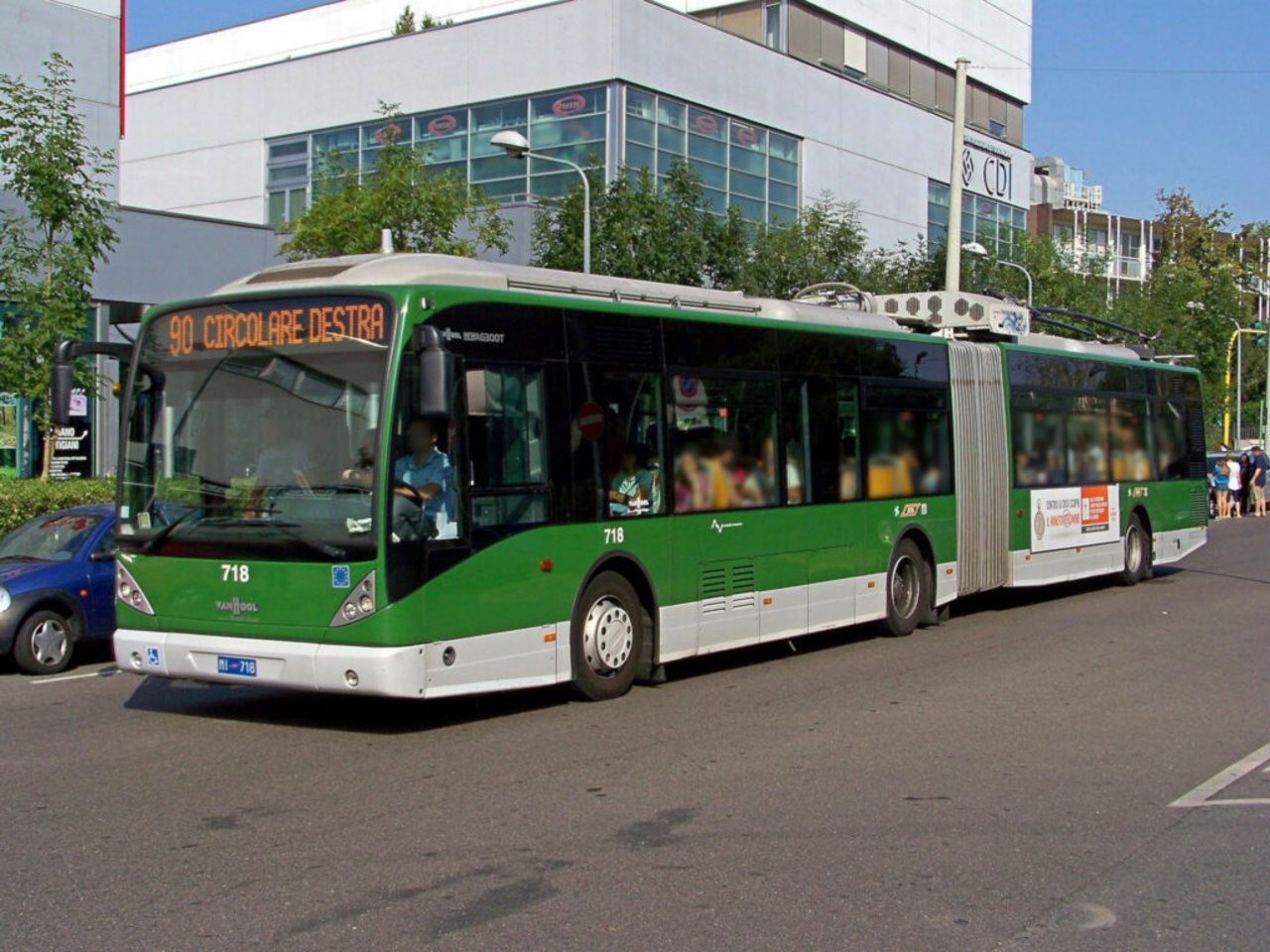
Trolleybus 90 traveling on the external ring road of Milan © John Doe / CC-BY-SA-3.0
Through the study of Milan’s bus 90/91, Martina Bovo, of the Department of Architecture and Urban Studies (DAStU) at Politecnico di Milano, has delved into urban diversity and the challenges of interculturality. Employing an ethnographic approach, she has analyzed the intricate social and spatial dynamics that unfold daily within this compressed public space.
His research work “A bus as a compressed public space: Everyday multiculturalism in Milan” contributes to understanding public transport as a public space, exploring diversity and the city through mobility. Could you tell us how the idea for this research was born and the path you followed at the Politecnico to arrive at this publication?
The idea for this research came about during a conversation between Paola Briata, professor of Urban Ethnography at Politecnico, and a driver of the 90/91 bus named Claudio, who has worked on that line for forty years. Claudio shared with her his observations on how Milan has changed over the years, especially along the 90/91 line. From this conversation, the idea emerged of using the bus as an observation point to study the city and develop a research activity as part of the Urban Ethnography course at the AUIC School, in which I collaborate with Professor Massimo Bricocoli and Professor Paola Briata.
So the 90/91 line became the focus of this study. Why is this trolleybus line so significant for Milan?
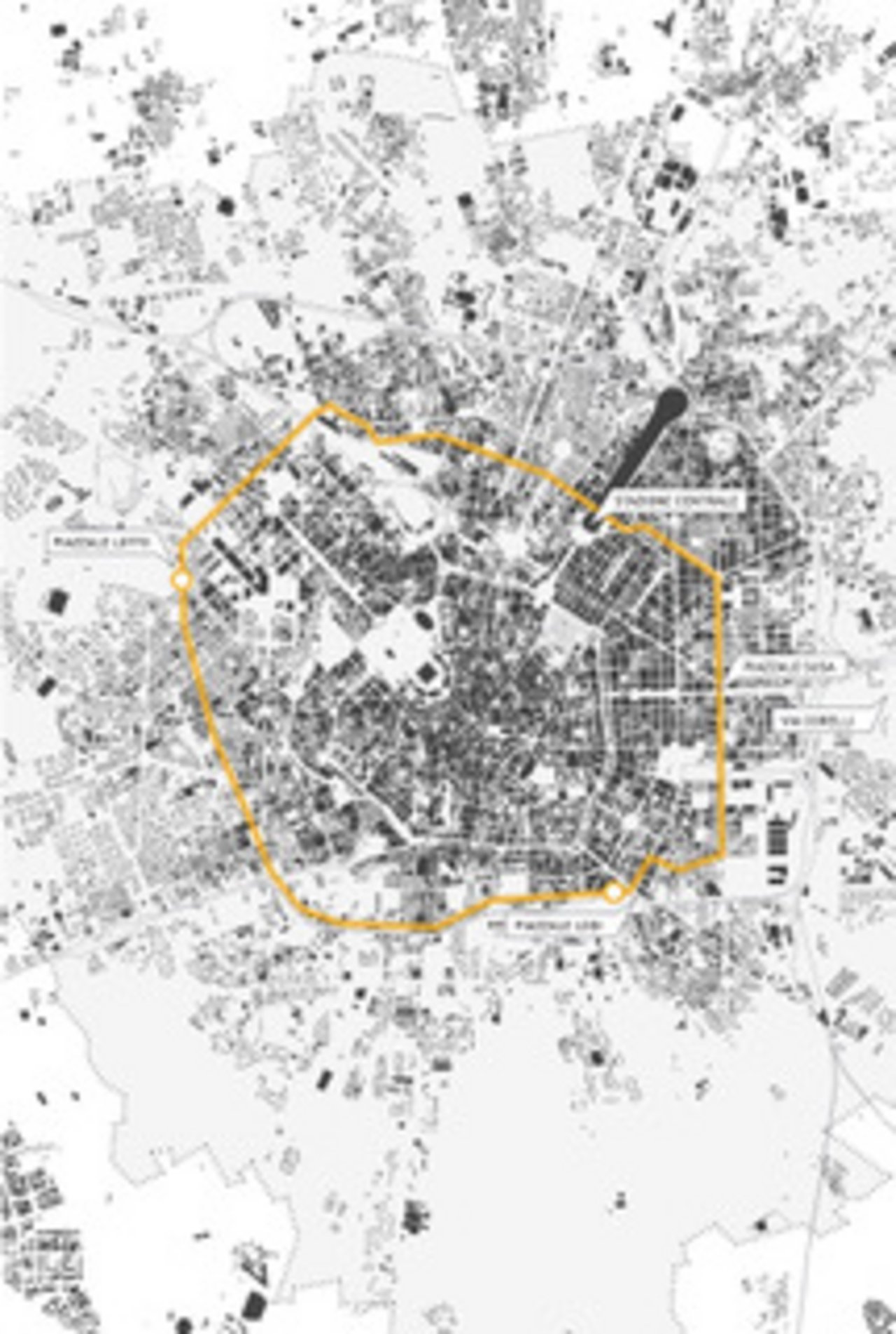
The 90/91 line runs through eight of the nine municipalities of Milan, the exception being the city centre, and touches nodal points such as Piazzale Susa and the Central Station. It operates 24 hours a day, serving a wide range of passengers: from very early commuters to tourists, from students to the homeless. Such a diversity in users contributes to making this bus line a microcosm of the city and its social and spatial dynamics are all reflected there.
How was the study on line 90/91 conducted?
It took over three academic years and involved approximately one hundred students. Using an ethnographic approach, the students spent time on the bus, observing and interacting with the passengers and the surrounding spaces. This approach allowed them to grasp the complexity of urban life and explore issues such as multicultural coexistence, socio-spatial inequalities and the dynamics of interaction between the different communities on the 90/91 line. One of the changes we observed was the increasing diversity in the course students. In recent years, we have seen a greater diversification of the nationalities represented, leading to a plurality of perspectives, research approaches and readings of the issues of socio-spatial inequalities and the challenges of intercultural coexistence.
Have you noticed any changes, recurring themes or particular cases during the years of study?
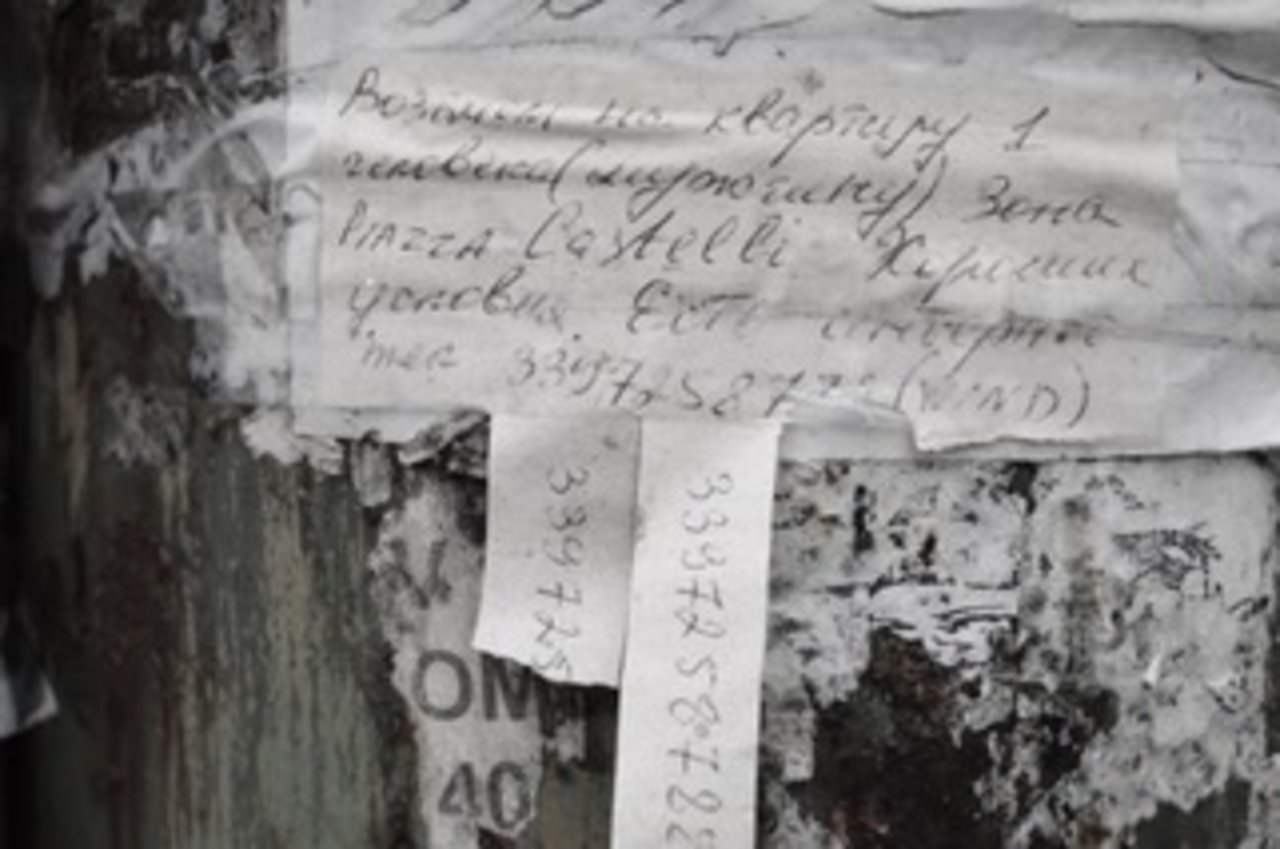
An interesting element was the attention this bus brought to Milan, beyond some common narratives. A young Belgian student conducted a very important piece of work: he collected and photographed all the job and accommodation advertisements at bus stops. These were mainly paper advertisements hung on bus stop poles, on which telephone numbers were written. The student mapped all these reports, thus highlighting a little-known aspect of the city. Contrary to the perception of Milan as a polycentric city, he discovered that most of these advertisements were located outside the circle of the 90/91 bus line. This revealed that Milan is strongly polarised between the centre and the periphery, where the labour market and housing opportunities are predominantly located outside the city centre.
Interesting, other examples?
Another student explored a little-known aspect of bus lines, going beyond the common narrative that considers them merely places frequented by homeless people at night. He talked about how different social groups use these means as an extension of their socialising spaces, as it happens with young people attending nightclubs. This raised fascinating questions about encounters and interactions between different communities within the bus. An Eritrean student interacted with fellow Eritrean passengers and reported how incidents of discrimination are still frequent on the bus. This shed light on the fact that, even in a city like Milan, this is still a very real and topical issue.

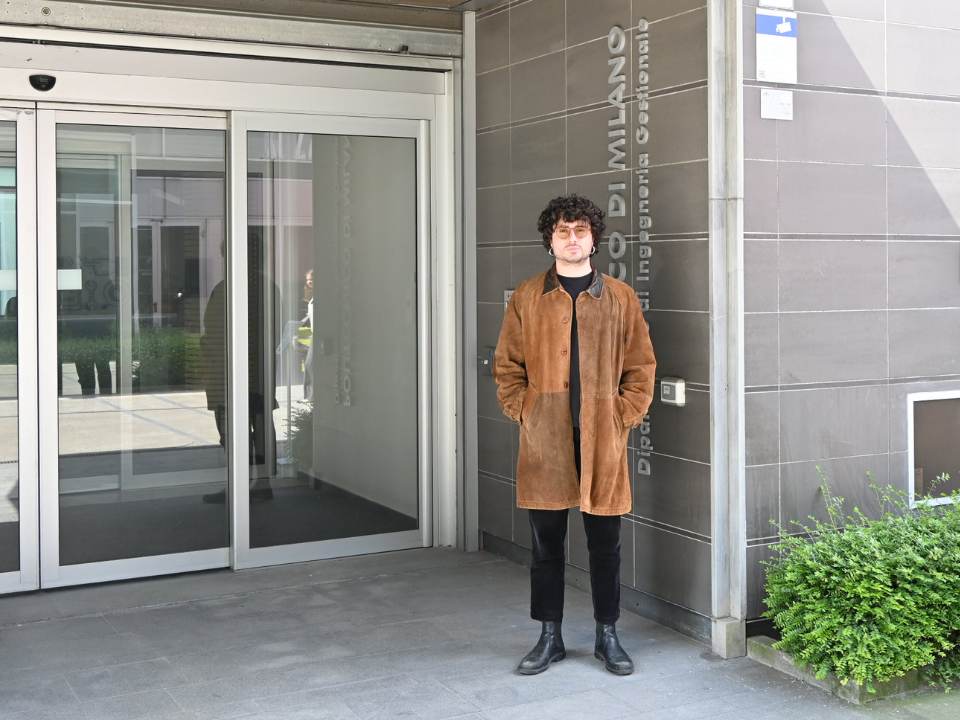
Martina Bovo, researcher at the Department of Architecture and Urban Studies (DAStU) of Politecnico di Milano
In addition to the study on the 90/91 line, what are your current research interests and how do they fit into your academic and professional path?
Currently, I am focusing on the relationship between migration processes and the city, with a focus on the arrival infrastructure and the resources offered by the city to newcomers. This topic is part of the PhD research I undertook at Politecnico and has since expanded internationally. I am currently working at KU Leuven, Belgium, on a European research project exploring the role of arrival infrastructures in the reception and integration of migrants in several European cities.
Looking to the future, what are your professional plans and goals?
I will try to keep developing my work in the field of urban and social policy and I would like to continue doing this at Politecnico as well. I would like to explore new approaches and interdisciplinary collaborations to address contemporary urban challenges and contribute to the public debate on city governance and intercultural coexistence.
Related stories

AI to Touch: when art invites touch

System level approach and social skills: the engineer of tomorrow according to Lucia Conconi
Interview with an Exceptional Polytechnic Alumna

Not For Her: When AI Holds Up a Mirror
An immersive experience that uses artificial intelligence to mirror our prejudices: in five minutes of dialogue with three avatars, “Not For Her” confronts us with the invisible dynamics of gender discrimination.

The creative genius of Gianfranco Ferré returns to the Politecnico di Milano
Established at the beginning of the year, the Gianfranco Ferré Research Centre preserves and studies the large archive of the fashion designer, recognized as a heritage of “particular cultural interest” by the Ministry of Culture
Flexible work? Just have control!
Working remotely, personalizing schedules, increasing autonomy: is flexibility at work really the perfect recipe for well-being?
You might also like
Building in Balance
Matteo Scagnol and Sandy Attia of MoDus Architects discuss an architecture shaped by the tension between landscape and infrastructure, rules and freedom, materials and climate change.

From circuit to laboratory
The collaboration with the Politecnico as seen by Autodromo Nazionale Monza

Research Takes to the Track at Monza
The agreement between Politecnico di Milano and the Monza National Circuit creates an open-air laboratory for safety, sustainability, materials, mobility and major events.

Digital sovereignty: why regulating AI is not enough
Interview with Roberto Baldoni, Senior Advisor for Technology and Cybersecurity Policy to the Ambassador of Italy to the United States